When Abdominal Pain Signals a Serious Condition
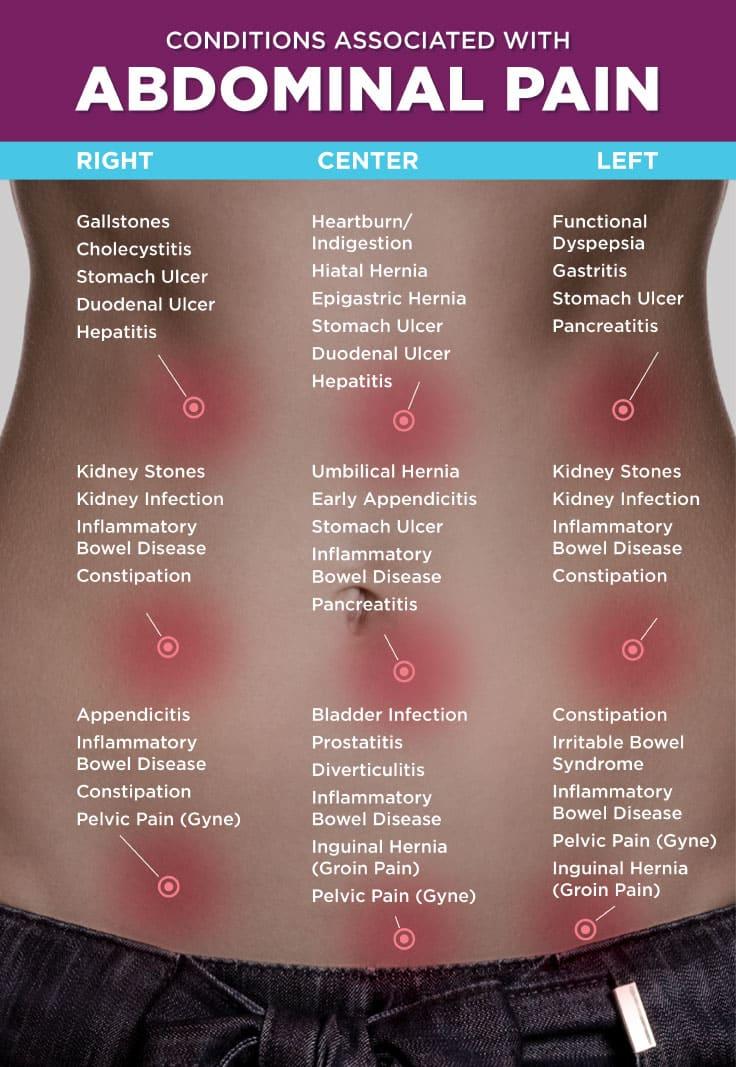
Abdominal pain is one of the most common symptoms people experience at some point in their lives. In many cases, it is harmless caused by indigestion, gas, or minor infections and resolves on its own. However, not all abdominal pain should be dismissed. In certain situations, it can signal a serious underlying condition that requires immediate medical attention. Understanding when to take abdominal pain seriously can make a critical difference in outcomes.
Understanding the Nature of Pain
The first step in assessing abdominal pain is understanding its characteristics. Pain can vary widely in intensity, duration, and location. It may be sharp, dull, cramping, or burning. Some pain comes and goes, while other types persist or worsen over time. The location of the pain whether in the upper abdomen, lower abdomen, or generalized across the belly can provide important clues about its cause.
For instance, pain in the upper right abdomen might be related to the gallbladder or liver, while lower right abdominal pain may indicate appendicitis. Persistent or severe pain, especially when accompanied by other symptoms, should never be ignored.
Warning Signs of Serious Conditions
Certain symptoms accompanying abdominal pain can indicate a potentially life-threatening condition. These include:
- Severe or worsening pain that does not improve with time
- Fever, which may suggest infection
- Persistent vomiting, especially if unable to keep fluids down
- Blood in stool or vomit, which could indicate internal bleeding
- Unexplained weight loss
- Yellowing of the skin or eyes (jaundice)
- Swelling or rigidity of the abdomen
If any of these symptoms are present, immediate medical evaluation is essential.
Common Serious Causes of Abdominal Pain
Several medical conditions can present with abdominal pain as a primary symptom. Recognizing these can help in seeking timely care.
Appendicitis
Appendicitis is one of the most well-known causes of acute abdominal pain. It typically begins near the navel and then shifts to the lower right abdomen. The pain intensifies over time and may be accompanied by fever, nausea, and loss of appetite. Without prompt treatment, the appendix can rupture, leading to serious complications.
Gallstones
Gallstones can block bile ducts and cause sudden, intense pain in the upper abdomen, often after eating fatty meals. This pain may radiate to the back or shoulder and can last for several hours.
Pancreatitis
Inflammation of the pancreas causes severe upper abdominal pain that may spread to the back. It is often associated with nausea, vomiting, and fever. Pancreatitis can be acute or chronic and may require hospitalization.
Intestinal Obstruction
A blockage in the intestines can prevent food and fluids from passing through. Symptoms include cramping pain, bloating, constipation, and vomiting. This condition is a medical emergency and requires immediate intervention.
Peptic Ulcers
Ulcers in the stomach or upper small intestine can cause burning abdominal pain, especially between meals or at night. If an ulcer bleeds or perforates, it can lead to severe complications.
Infections and Parasites
Some abdominal pain is caused by infections, including those from parasites. These may present with diarrhea, cramping, and general discomfort. In such cases, medications like mebendazole 500mg are often prescribed to treat parasitic worm infections effectively. However, self-medication without proper diagnosis is not recommended.
Chronic vs. Acute Pain
Abdominal pain can be classified as acute or chronic. Acute pain develops suddenly and is often more concerning, especially if severe. Chronic pain persists over weeks or months and may be related to conditions like irritable bowel syndrome (IBS), inflammatory bowel disease (IBD), or chronic infections.
While chronic pain is not always life-threatening, it still requires medical evaluation to identify the underlying cause and manage symptoms effectively.
When to Seek Medical Help
Knowing when to consult a healthcare provider is crucial. Seek immediate medical attention if:
- Pain is sudden and severe
- The abdomen is hard or tender to touch
- There is high fever or chills
- You experience fainting or dizziness
- Pain follows an injury
For less severe but persistent symptoms, schedule a medical evaluation to rule out underlying conditions.
Diagnostic Approaches
Doctors use a combination of medical history, physical examination, and diagnostic tests to determine the cause of abdominal pain. These tests may include:
- Blood tests to check for infection or inflammation
- Ultrasound or CT scans for imaging
- Endoscopy to examine the digestive tract
- Stool tests to detect infections or parasites
Accurate diagnosis is essential for effective treatment.
Treatment Options
Treatment depends on the underlying cause. Mild conditions may resolve with rest, hydration, and dietary changes. More serious conditions may require medications, procedures, or surgery.
For example, bacterial infections may be treated with antibiotics, while parasitic infections may require medications such as mebendazole 500mg. Surgical intervention may be necessary for appendicitis, gallstones, or intestinal obstructions.
Prevention and Lifestyle Considerations
While not all causes of abdominal pain can be prevented, certain lifestyle choices can reduce risk:
- Maintain a balanced diet rich in fiber
- Stay hydrated
- Practice good hygiene to prevent infections
- Avoid excessive alcohol consumption
- Manage stress, which can affect digestive health
Regular medical check-ups can also help detect potential issues early.
Final Thoughts
Abdominal pain is a symptom that should never be ignored, especially when it is severe, persistent, or accompanied by other warning signs. While many cases are benign, some can indicate serious or life-threatening conditions that require prompt medical attention.
Understanding the nature of your symptoms and knowing when to seek help can significantly improve outcomes. If in doubt, it is always better to consult a healthcare professional rather than risk complications by waiting too long.
In summary, listen to your body. Abdominal pain may be common, but in certain cases, it is a crucial signal that something more serious is happening beneath the surface.
Categorii
Citeste mai mult
The DXP Landscape Is Being Redrawn by AI Digital Experience Platforms evolved from the convergence of CMS, marketing automation, analytics, and personalisation capabilities. Jahia, Sitecore, and Adobe Experience Cloud represent this generation. But AI is fundamentally redefining what a DXP can — and should — do. From Rule-Based to Intelligence-Driven Personalisation Traditional DXP...

A fresh competition has arrived in Monopoly GO! Following the Space Sparkle event, players can now participate in the Zero-G Jam tournament. This event kicks off on June 9th and runs for a full day, providing a limited-time challenge. During the Zero-G Jam, participants have the chance to earn valuable prizes, such as Peg-E tokens, which can be used for sticker drops. Keep reading to discover...
Tiling is a key aspect of home design, combining functionality with aesthetic appeal. Professional residential tiling services offer comprehensive solutions for installing, repairing, and maintaining tile surfaces in kitchens, bathrooms, floors, and walls. Accessing trusted tiling services near me ensures that homeowners receive skilled workmanship and high-quality results tailored to their...

When it comes to relaxation, excellence should never be compromised. Hiring Massage Therapists in Puerto Banus opens the door to an extraordinary wellness experience designed for those who demand the very best. Whether you're seeking a luxurious way to unwind after a busy day or looking to elevate your holiday with exceptional personal care, professional massage services offer the perfect...

Geo-restriction and VPN Solutions RTL+ enforces strict geo-blocks limiting access exclusively to Germany due to licensing constraints. Overcoming these restrictions requires a VPN that can consistently bypass advanced detection systems. We rigorously tested 78 VPN providers to identify reliable solutions for seamless streaming. Premium VPNs invest in cutting-edge technology to evade RTL+'s...