Prone Pose in Yoga: A Complete Guide for Teens to Build Strength, Flexibility, and Focus
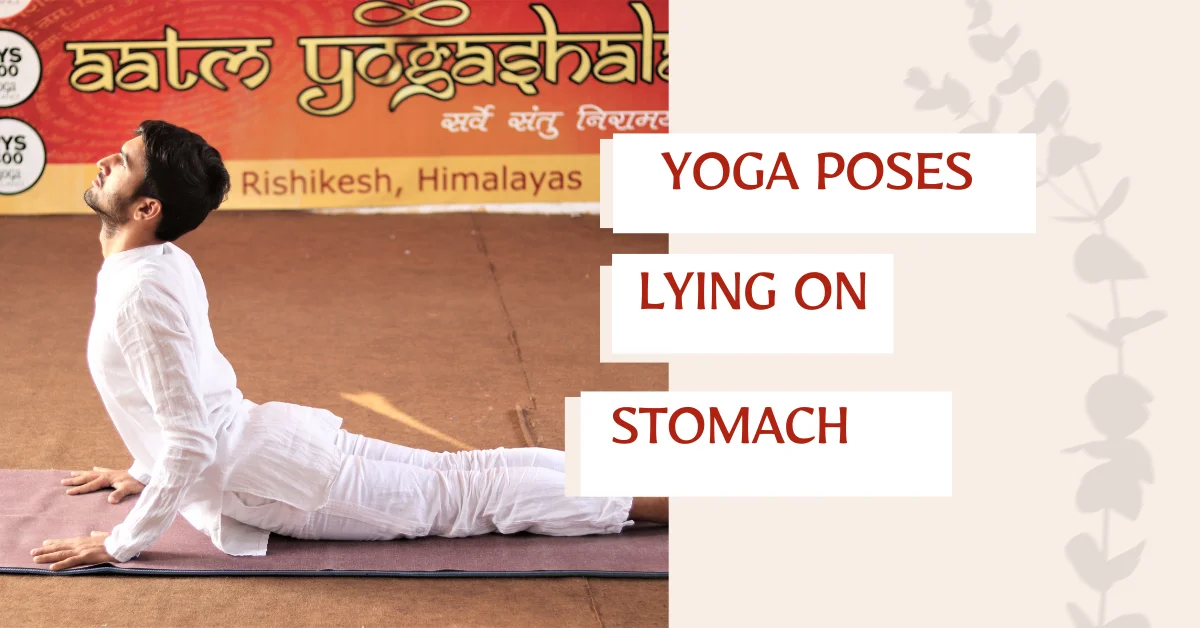
Yoga is an incredible practice that supports both physical and mental well-being, especially during the teenage years. As teens go through rapid growth and lifestyle changes, maintaining a healthy routine becomes essential. Among the many postures practiced in yoga, the prone pose plays a vital role in improving posture, strengthening the back, and enhancing overall body awareness. This guide explores everything teens need to know about the prone pose, its benefits, variations, and how it fits into a balanced yoga routine.
What is a Prone Pose?
A prone pose in yoga refers to any position where the body is lying flat on the stomach, facing downward. These poses are particularly effective for strengthening the back muscles, opening the chest, and improving spinal flexibility. Since many teens spend long hours sitting in classrooms or using devices, prone poses help counteract poor posture and muscle stiffness.
Prone poses are often included in yoga sequences to activate the posterior chain—the muscles along the back of the body. These muscles are essential for maintaining proper posture and preventing back pain. For teens, developing strength in this area is especially important as their bodies are still growing.
Why Prone Pose is Important for Teens
Teenagers today often experience physical discomfort due to sedentary habits, such as sitting for long hours while studying or using smartphones. This can lead to rounded shoulders, weak back muscles, and reduced flexibility. Practicing the prone pose regularly can help reverse these effects.
One of the main benefits of prone poses is that they strengthen the spine and improve posture. A strong spine not only supports better physical health but also boosts confidence. When teens stand tall and maintain good posture, they often feel more self-assured.
In addition to physical benefits, prone poses also contribute to mental well-being. These poses require focus and controlled breathing, which help calm the mind and reduce stress. For teens dealing with academic pressure or social challenges, yoga can be a powerful tool for relaxation and emotional balance.
Common Prone Poses for Teens
There are several yoga postures that fall under the category of prone pose. Each one offers unique benefits while targeting different muscle groups.
1. Cobra Pose (Bhujangasana)
Cobra Pose is one of the most popular prone poses. It involves lifting the chest off the ground while keeping the lower body grounded. This pose strengthens the spine, opens the chest, and improves breathing capacity.
For teens, Cobra Pose is especially helpful in correcting slouched posture caused by prolonged sitting. It also energizes the body and can be a great way to start the day.
2. Locust Pose (Salabhasana)
Locust Pose focuses on strengthening the back, glutes, and legs. In this pose, the arms, chest, and legs are lifted off the ground simultaneously, creating a powerful backbend.
This prone pose is excellent for building endurance and improving overall body strength. It also enhances coordination and balance, which are important for athletic activities.
3. Bow Pose (Dhanurasana)
Bow Pose is a more advanced prone pose that involves holding the ankles and lifting the chest and legs off the ground. The body forms a bow-like shape, hence the name.
This pose provides a deep stretch for the entire front body while strengthening the back muscles. It also stimulates digestion and improves flexibility.
4. Sphinx Pose
Sphinx Pose is a gentle variation of Cobra Pose, making it ideal for beginners. It involves resting on the forearms while lifting the chest slightly.
This pose is perfect for teens who are new to yoga or looking for a relaxing stretch. It helps improve spinal alignment and reduces tension in the lower back.
Physical Benefits of Prone Pose
Practicing prone pose regularly offers a wide range of physical benefits for teens. One of the most significant advantages is improved posture. By strengthening the back muscles and opening the chest, prone poses help counteract the effects of slouching.
These poses also enhance flexibility, particularly in the spine and shoulders. Increased flexibility reduces the risk of injuries and improves overall mobility. For teens involved in sports or physical activities, this can be highly beneficial.
Another important benefit is increased muscle strength. Prone poses engage multiple muscle groups, including the back, core, and legs. This helps build a strong and balanced body.
Additionally, prone poses improve blood circulation and support better breathing. By expanding the chest and lungs, they allow for deeper and more efficient breathing, which is essential for overall health.
Mental and Emotional Benefits
While the physical benefits of prone pose are impressive, the mental and emotional advantages are equally important. Yoga encourages mindfulness, which helps teens stay present and focused.
Prone poses require concentration and controlled breathing, which can reduce stress and anxiety. This is particularly helpful for teens who may feel overwhelmed by schoolwork or social pressures.
Regular practice of yoga can also improve sleep quality. Many teens struggle with irregular sleep patterns, and yoga provides a natural way to relax the body and mind before bedtime.
Furthermore, yoga promotes self-awareness and confidence. As teens become more in tune with their bodies, they develop a better understanding of their strengths and limitations. This can lead to increased self-esteem and a more positive outlook on life.
How to Practice Prone Pose Safely
Safety is essential when practicing any form of yoga, especially for beginners. Here are some tips to ensure a safe and effective practice of prone pose:
-
Always start with a warm-up to prepare the body
-
Use a yoga mat for comfort and support
-
Avoid pushing the body beyond its limits
-
Focus on proper alignment and breathing
-
Take breaks when needed
It’s also important to listen to the body. If a pose feels uncomfortable or painful, it’s best to ease out of it and try a gentler variation.
Creating a Routine with Prone Pose
Incorporating prone pose into a daily yoga routine doesn’t have to be complicated. Teens can start with a simple sequence that includes a few basic poses.
For example, a short routine could include:
-
Warm-up stretches
-
Sphinx Pose for gentle activation
-
Cobra Pose for spinal strength
-
Locust Pose for muscle engagement
-
Child’s Pose for relaxation
Practicing this routine for 15–20 minutes a day can lead to noticeable improvements in strength, flexibility, and overall well-being.
Tips for Staying Consistent
Consistency is key when it comes to yoga. Here are some tips to help teens maintain a regular practice:
-
Set a specific time each day for yoga
-
Create a शांत and comfortable practice space
-
Use online videos or apps for guidance
-
Practice with friends or family for motivation
-
Keep the sessions short and enjoyable
By making yoga a part of daily life, teens can experience long-term benefits that extend beyond physical fitness.
Conclusion
The prone pose is a powerful and essential part of yoga that offers numerous benefits for teenagers. From improving posture and building strength to reducing stress and enhancing focus, these poses support overall health and well-being.
In a world where teens are constantly juggling responsibilities and facing new challenges, yoga provides a much-needed balance. By incorporating prone poses into their routine, teens can develop healthy habits that last a lifetime.
Whether you’re a beginner or already familiar with yoga, starting with simple prone poses can be a great way to build a strong foundation. With regular practice, patience, and dedication, yoga can become a valuable tool for achieving physical fitness, mental clarity, and emotional resilience.
Kategoriler
Read More
作为我们日常生活中不可或缺的一部分,电报已经成为数字时代的标志。然而,选择合适的下载方式往往成为困扰许多人头痛的问题。Telegram下载(Telegram App)作为电报官方客户端下载导航,向您提供了安全可靠、免费且无需插件的解决方案。让我们深入了解一下这个问题背后的原因。 电报下载的问题 电报下载的问题常常源于两个关键点:安全性和可靠性。传统的下载途径往往会导致安全问题,例如安装病毒或恶意软件。这不仅会对您的个人数据造成伤害,还会影响您的手机或电脑的正常运作。 相比之下,电报的官方下载方式被广泛认为是安全可靠的。这是因为官方下载地址与 telegram.org 官方源有着直接的连接,确保了下载的内容的真实性和安全性。 如何选择安全的电报下载方式...

Density meters play a critical role in industrial quality control, process monitoring, and laboratory analysis by accurately measuring the density and concentration of liquids and gases. These instruments are widely used across industries such as chemicals, food and beverages, pharmaceuticals, petroleum, biotechnology, and environmental testing. Accurate density measurement helps manufacturers...

"Executive Summary Non-Thermal Pasteurization in Juice Industry Market Trends: Share, Size, and Future Forecast The non-thermal pasteurization in juice industry market size is expected to grow at a compound annual rate of 7.60% in the forecast period 2021 to 2028 and is likely to reach USD 1.22 billion by 2028By working with a number of steps of collecting and analysing market...

yolo247 club OTP generally manners your network, SMS settings, or range is blocking shipping—no longer a few mysterious glitch. This guide yolo247 club app download breaks down the actual causes in the back of OTP failure and offers you speedy, sensible fixes to repair immediate OTP get right of entry to so you can log in without delays Top Reasons Why Your yolo247 club OTP Is Not...
Benefits of Using Certification Exam Preparation Material Certification exams help people grow in their careers. They help you get better jobs. They also help you earn more money. Many students want to pass the CFE exam on the first attempt. This exam is offered by ACFE. However, exam preparation can feel difficult. There are many books to read and many topics to cover. This is why using...