What Is Personal Branding? Why Brand Identity Design Matters
Personal branding is the strategic process of shaping how people perceive you professionally. Brand identity design strengthens that perception through visuals, messaging, and consistency that build trust and credibility.
Introduction
People often search your name before they contact you, hire you, partner with you, or buy your services. In many cases, decisions are made before the first meeting ever happens. That means your reputation is already influencing opportunities every day.
This is why understanding What is personal branding has become essential in the modern professional world. Whether you are an entrepreneur, consultant, executive, freelancer, creator, or job seeker, your personal brand can shape how people see your expertise and value.
At the same time, brand identity design helps transform that reputation into a polished and memorable presence. Through strong visuals, clear messaging, and consistency, you become easier to trust and remember.
In this guide, you’ll learn what personal branding really means, why it matters, and how identity design helps create long-term career and business success.
What Is Personal Branding?
Personal branding is the intentional process of managing how people perceive you professionally.
It reflects:
- Your expertise
- Your values
- Your communication style
- Your personality
- Your reputation
- Your credibility
- Your visual presentation
In simple words, it is what people think when they hear your name.
Everyone already has a personal brand. The difference is whether it is intentional or accidental.
Why Personal Branding Matters Today
We live in a digital-first world where first impressions often happen online.
Before working with you, people may check:
- Google search results
- LinkedIn profile
- Website
- Social media presence
- Reviews or testimonials
A strong personal brand helps you control that perception.
Key Benefits
1. Builds Trust Quickly
People choose professionals they trust.
2. Creates More Opportunities
A strong brand can attract:
- Clients
- Promotions
- Speaking invitations
- Partnerships
- Media attention
3. Helps You Stand Out
Branding differentiates you from competitors.
4. Supports Premium Pricing
Experts with strong brands often charge more.
5. Builds Long-Term Career Equity
Your reputation becomes a valuable asset.
Who Needs Personal Branding?
Personal branding is useful for almost everyone, especially:
- Entrepreneurs
- Coaches
- Consultants
- Freelancers
- Executives
- Sales professionals
- Creators
- Real estate agents
- Job seekers
If trust influences decisions in your field, branding matters.
Examples of Personal Branding
Entrepreneur
Known for innovation and leadership.
Consultant
Recognized as a niche problem-solver.
Executive
Seen as visionary and strategic.
Freelancer
Trusted for quality work and reliability.
Creator
Followed for expertise or entertainment.
Each person uses reputation strategically.
What Is Brand Identity Design?
Brand identity design is the visual and strategic system that shapes how a brand looks and feels.
For personal brands, it often includes:
- Logo or personal monogram
- Color palette
- Typography
- Website design
- Headshots
- Social media templates
- Presentation design
- Messaging consistency
These elements influence perception quickly.
Why Brand Identity Design Matters for Personal Branding
Many skilled professionals lose opportunities because they look unclear, inconsistent, or outdated.
Benefits of Strong Identity Design
Strong First Impressions
People judge visual quality fast.
Better Recognition
Consistent visuals make you memorable.
Premium Positioning
Professional design supports higher perceived value.
Increased Trust
Clean branding signals competence.
Easier Marketing
Templates and systems simplify content creation.
How Personal Branding and Identity Design Work Together
Think of it this way:
- Personal branding = Reputation and positioning
- Identity design = Visual expression of that reputation
One without the other is weaker.
Example
A consultant may be highly skilled, but if their website looks poor and messaging is unclear, trust drops.
Strong branding aligns expertise with presentation.
How to Build a Personal Brand Step by Step
Step 1: Define What You Want to Be Known For
Ask:
- What expertise do I have?
- What results do I create?
- What niche do I want authority in?
Example
Instead of “marketing expert,” say:
“I help local businesses grow through SEO.”
Specificity wins.
Step 2: Identify Your Audience
Know who you want to attract.
Examples:
- Clients
- Employers
- Investors
- Followers
- Industry peers
Your message should match their needs.
Step 3: Create a Clear Brand Message
Use a simple positioning statement.
Formula
I help [audience] achieve [result] through [method].
Example
I help founders generate leads through content systems.
Step 4: Upgrade Your Visual Identity
Focus on:
- Professional headshots
- Clean website
- Consistent colors
- Modern typography
- Strong profile banners
Step 5: Build Online Presence
Important channels:
- Personal website
- Instagram or X
- Google search results
Keep everything updated.
Step 6: Share Valuable Content
Content builds authority.
Post:
- Tips
- Case studies
- Lessons learned
- Industry insights
- Opinions
Step 7: Build Proof of Expertise
Use:
- Testimonials
- Awards
- Certifications
- Media mentions
- Results data
Common Mistakes to Avoid
Being Too Generic
Weak positioning gets ignored.
Poor Visual Quality
Low-quality branding reduces trust.
Inconsistent Profiles
Different bios create confusion.
No Content Strategy
Silence limits visibility.
Copying Others
Authenticity builds stronger brands.
Real Example: Before and After Branding
Before
- Weak LinkedIn profile
- No website
- Generic bio
- Low visibility
After
- Clear niche authority
- Strong visuals
- Better content presence
- More inbound opportunities
This transformation is common with intentional branding.
Best Tools for Personal Branding
Useful tools include:
- Canva for design
- LinkedIn for networking
- WordPress for websites
- Notion for planning
- Google Alerts for name monitoring
- Email tools for newsletters
Future Trends in Personal Branding
Founder-Led Brands
People trust people over companies.
Video Authority Content
Video builds connection faster.
AI Content Assistance
Faster workflows with human authenticity.
Reputation SEO
Owning your name in search results matters.
Niche Expertise Positioning
Specialists outperform generalists.
How Long Does It Take to Build a Strong Personal Brand?
30 Days
- Clarify niche
- Improve profiles
- Upgrade visuals
90 Days
- Publish content regularly
- Better engagement
- Stronger visibility
6–12 Months
- Recognized authority
- Leads and referrals
- Strong reputation
Consistency matters more than speed.
Conclusion
Understanding what is personal branding gives you a major advantage in today’s trust-driven world. Your reputation influences how people perceive your expertise, whether they contact you, and what opportunities come your way.
When paired with strong brand identity design, your personal brand becomes clearer, more memorable, and more credible. Professional visuals, strategic messaging, and consistent presence help you stand out in competitive markets.
Your personal brand already exists. The smartest move is to shape it intentionally so it creates trust, authority, and long-term success.
FAQs
What is personal branding?
Personal branding is the process of shaping how people perceive you professionally.
Why is personal branding important?
It builds trust, creates opportunities, and improves visibility.
What is brand identity design?
It includes visual branding elements like logos, websites, colors, typography, and design consistency.
Do I need a website for personal branding?
A website is highly valuable because it improves credibility and ownership.
Can personal branding increase income?
Yes. Strong personal brands often attract premium clients and better career opportunities.
Categorias
Leia mais
A well-organized work vehicle is one of the most valuable assets for professionals who depend on efficiency every day. Whether you're a builder, electrician, plumber, mechanic, landscaper, farmer, or mobile technician, having secure storage for tools and equipment makes every task easier to manage. A high-quality tool box not only protects valuable equipment but also helps maximize available...

Pillar Candles and the Candle Market Pillar candles are one of the most classic and widely used types of candles, known for their sturdy structure, long burn time, and elegant appearance. Unlike container candles, pillar candles are freestanding and can be used in a variety of settings without the need for a holder. Their versatility and aesthetic appeal make them a key segment within...

Best IT Training Institute in Delhi for Job-Oriented Computer Courses In today’s digital world, having computer skills is no longer optional—it’s essential. Whether you are a student, job seeker, or working professional, enrolling in a IT training institute in Delhi can help you build a strong and successful career. Delhi has become a major hub for technical education,...
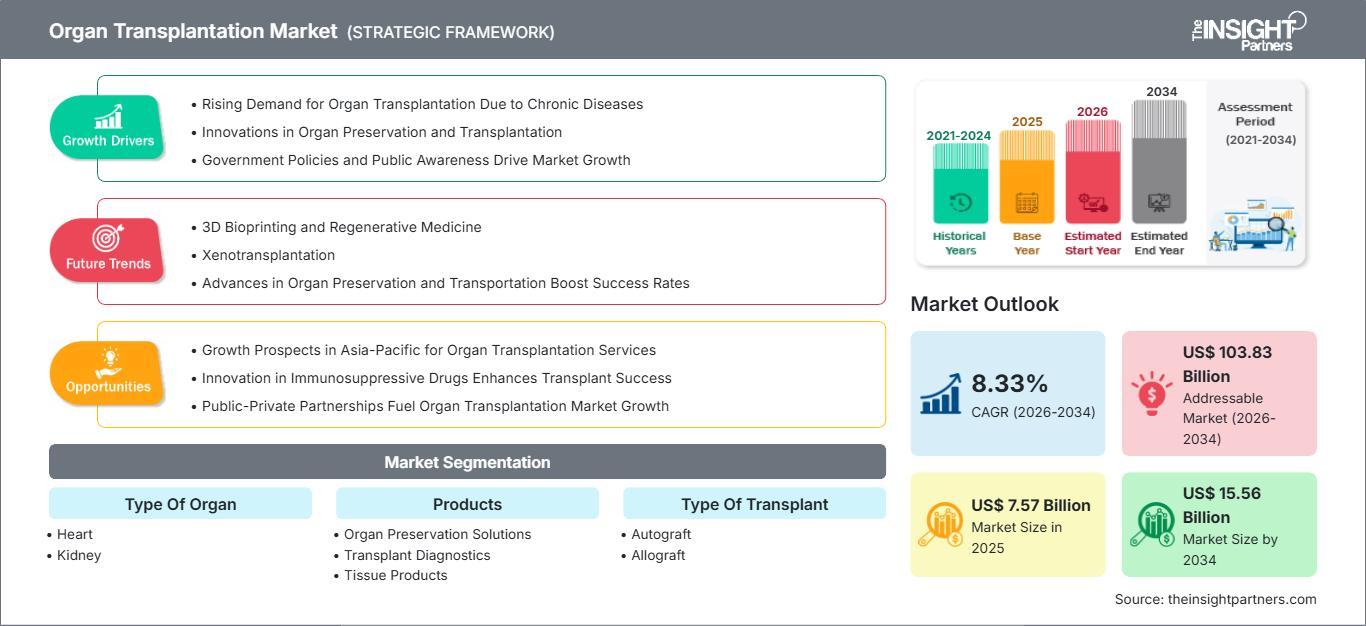
The global organ transplantation market is witnessing significant transformation driven by technological innovation, rising chronic disease burden, and improvements in transplant outcomes. According to industry analysis, the Organ Transplantation Market size is expected to reach US$ 15.56 billion by 2034 from US$ 7.57 billion in 2025, registering a CAGR of 8.33% during 2026–2034....
Having the right celebrity aligned with the brand values translates into visibility, cultural relevance, and ultimately profit for the brand. There www.goldengoosessales.com is an intimacy to this season that allows for more thoughtful discovery and sharper focus. When he joined in June, it was a bright picture. My initial thought before seeing any product: Denim is not an easy category to...