How to plan the most rewarding authentic Morocco tours for your next trip
Introduction to the heart of the Maghreb
Embarking on authentic Morocco tours is not merely a vacation choice; it is a profound immersion into a kingdom where time seems to fold in upon itself. As the morning mist lifts off the Atlantic coast or the sun begins to bake the red clay of the southern kasbahs, travelers find themselves at a crossroads of civilizations. Morocco stands as a gateway between Africa and Europe, a land where the aromatic scents of cumin and saffron mingle with the salty breeze of the Mediterranean. To experience the country authentically means stepping away from the polished corridors of high-rise hotels and entering the narrow, shadowed alleys of medieval medinas. It involves sipping mint tea with a silver-smith in Fes, listening to the rhythmic beat of Gnaoua drums in the Sahara, and witnessing the resilience of Berber communities in the High Atlas Mountains. In a world increasingly dominated by digital interactions, the tactile reality of Moroccan life offers a refreshing and necessary grounding. The kingdom has recently seen an exceptional dynamic in its travel sector, welcoming millions of visitors who seek these genuine connections. By focusing on cultural depth and local interaction, an authentic journey transforms a simple itinerary into a collection of stories that will resonate for a lifetime.
Navigating the cultural tapestry of the imperial cities
The foundation of most authentic Morocco tours lies within the four imperial cities: Marrakech, Fes, Meknes, and Rabat. Each city offers a unique window into the history of the various dynasties that have ruled the North African coast. Fes remains the spiritual and intellectual center, home to the oldest continuously operating university in the world. Walking through Fes el-Bali, the largest car-free urban zone on the planet, provides a sensory rush that is hard to replicate. Here, the traditional craft of leather tanning still follows methods developed over a thousand years ago, with workers plunging hides into massive vats of natural dyes. According to technical definitions of cultural tourism on Wikipedia, this form of travel is motivated by the desire to learn, discover, and experience the intellectual and emotional features of a society. Fes embodies this definition perfectly, offering a landscape where architecture and heritage are living, breathing entities.
Marrakech, the "Red City," provides a different but equally compelling narrative. While Fes is scholarly and inward-facing, Marrakech is vibrant, extroverted, and bustling. The central square, Jemaa el-Fnaa, acts as an open-air theater where storytellers, snake charmers, and musicians gather every evening. To find authenticity here, one must look beyond the main tourist paths and seek out the "fondouks," which are ancient roadside inns that once housed trans-Saharan caravans and now serve as workshops for master craftsmen. Moving north to Rabat, the current capital, travelers can witness a professional blend of modern administrative life and historical preservation. The city's coastal location and quieter medina offer a professional perspective on how Morocco balances its rich past with its ambitions for the future. The diversity within these cities ensures that no two visits are ever the same, providing a layered understanding of Moroccan identity.
Exploring the wild landscapes of the Atlas and the Sahara
Beyond the city walls, the true spirit of authentic Morocco tours is found in the rugged terrain of the interior. The High Atlas Mountains serve as the physical and cultural backbone of the country, home to the indigenous Amazigh, or Berber, people. To experience this region authentically, one should engage in rural tourism, staying in village guest houses where the hospitality is as warm as the mountain sun. Trekking through the olive-bordered valleys or climbing toward the snow-capped peaks of Jbel Toubkal allows for a slower pace of travel that respects the natural environment. Professional travel guides in Forbes often highlight that the real luxury of Morocco is the silence found in these remote areas, where the clanging of metalworkers is replaced by the sound of wind through ancient cedar forests. This transition from urban chaos to mountain serenity is a hallmark of a well-balanced Moroccan adventure.
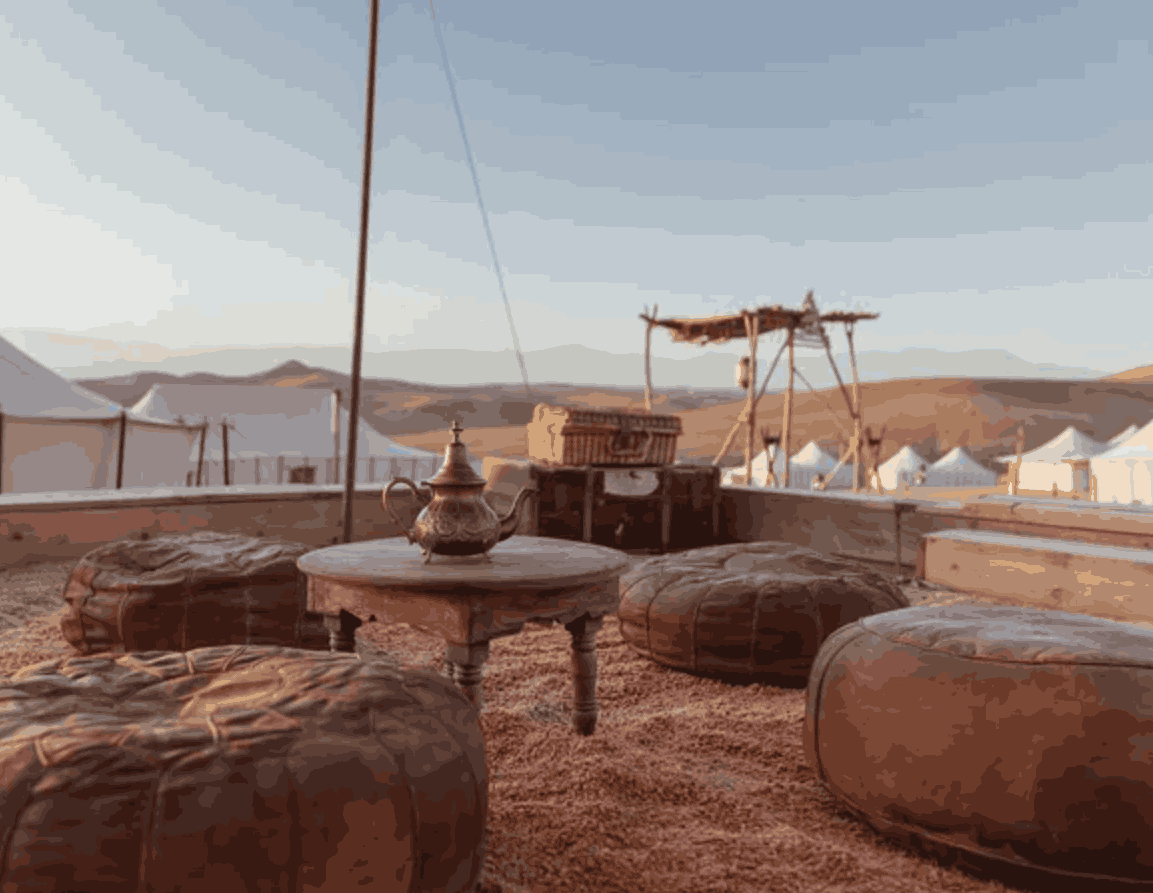
Descending from the mountains, the landscape shifts toward the cinnamon-colored hills and eventually the golden dunes of the Sahara. A journey to Merzouga or the more remote Erg Chigaga is a essential component of the Moroccan experience. Riding a camel into the dunes as the sun sets over the Algerian border is a meditative ritual that has remained unchanged for centuries. Authenticity in the desert is found around the campfire, listening to the oral histories of nomadic tribes and gazing at a night sky free from light pollution. Recent data from Google News indicates that the first quarter of 2026 has seen a significant rise in international arrivals, driven by a roadmap that emphasizes diversified destination offerings, including these desert and mountain circuits. This growth reflects a global demand for travel that feels both significant and grounded in local reality.
The importance of sustainable and community led travel
The final pillar of authentic Morocco tours is the commitment to the people who make the country so captivating. The Moroccan people are often cited as the country's greatest asset, known for a brand of hospitality that is as generous as it is genuine. To travel authentically is to ensure that your visit benefits the local population directly. This means choosing independent tour operators with deep local roots, dining in family-run restaurants, and purchasing handicrafts directly from the cooperatives where they are made. Whether it is argan oil from a women's cooperative in the Souss Valley or a hand-woven carpet from the Middle Atlas, these purchases support the preservation of traditional skills and provide economic stability to rural communities.
Morocco's "Light in Action" tourism plan, which targets 17.5 million visitors by the end of 2026, focuses on improving infrastructure while maintaining the cultural integrity of its regions. This strategy encourages travelers to visit lesser-known spots like the blue-washed streets of Chefchaouen or the windy Atlantic ramparts of Essaouira. These locations offer a lighter, more approachable atmosphere compared to the intense energy of the larger cities. By spreading tourism throughout the country, Morocco ensures that the benefits of travel are felt widely, helping to preserve the very authenticity that visitors come to see. A professional approach to travel in the kingdom involves being a respectful observer and an active participant in the daily rhythms of Moroccan life, from the Friday couscous meal to the call to prayer echoing across the rooftops.
Conclusion and your path to the Kingdom of Light
Planning authentic Morocco tours requires a balance of structure and spontaneity. While it is important to have a professional itinerary that covers the major historical sites, some of the most memorable moments occur during the unexpected gaps in the schedule. It might be a conversation with a shopkeeper over a third cup of tea or a wrong turn that leads to a beautiful, hidden courtyard. Morocco is a country that rewards the curious and the patient, offering a depth of experience that goes far beyond the surface level of a typical vacation. As the sector continues to grow toward the historic milestones projected for 2030, the emphasis remains on showcasing a country that is both a shimmering mirage of the past and a dynamic player in the modern world. If you are ready to experience the genuine warmth of the Maghreb and the breathtaking beauty of its landscapes, then the time to act is now. Secure your place in the next wave of explorers and discover why Morocco continues to be ranked among the top global destinations for those seeking truth in travel.
Categorie
Leggi tutto
The Global Automotive Emission Test Equipment Market Report presents an in-depth analysis, merging qualitative and quantitative insights to provide a holistic understanding of the market's dynamics. The report evaluates growth drivers, challenges, and constraints while forecasting revenue trends across key segments. It offers both historical and projected data, giving stakeholders a clear view...

Bangalore Call Girls, often dubbed the Silicon Valley of India, is renowned not only for its technological advancements and educational institutions but also for its vibrant nightlife and diverse entertainment options. For those seeking to elevate their evenings with companionship that combines elegance, discretion, and memorable experiences, the city's discreet call girl services have become...

The digital economy is expanding rapidly, and the demand for reliable, high-speed communication infrastructure has never been greater. At the heart of this transformation are fiber optic components, which serve as the building blocks of modern networking systems. From telecommunications and cloud computing to smart cities and industrial automation, these technologies are enabling faster...

Mass Spectrometry Market Overview The Mass Spectrometry Market has experienced strong growth due to increasing R&D investment, rising demand for precision diagnostics, and technological advancements. The market is driven by the adoption of advanced platforms such as LC-MS, GC-MS, Orbitrap, and TOF instruments. North America holds the largest market share, thanks to advanced healthcare...
Market Size, Growth & Valuation (2023-30) Artificial Intelligence (AI) in 3D Printing Market is anticipated to grow at a considerable CAGR during the forecast period, i.e., 2023-28. ✅In case you missed it, we are currently revising our reports. Click on the below to get the latest research data with forecast for years 2025 to 2030, including market size, industry trends, and...