From Fear to Control: How Home Security Systems Change Daily Life
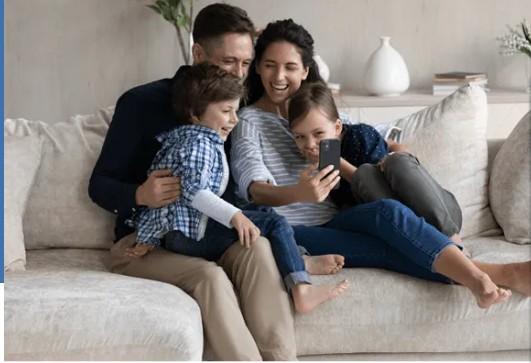
For many people, the idea of home security begins with a simple concern: safety. Whether it’s locking doors at night or double-checking windows before leaving, small habits are often driven by an underlying sense of uncertainty. But as technology evolves, that uncertainty is being replaced with something more empowering—control. Modern home security systems are not just about reacting to danger; they are reshaping how people experience their homes every day.
This shift from fear to control is subtle but powerful. It changes routines, improves confidence, and allows homeowners to focus less on “what might happen” and more on living comfortably in the present.
The Psychology of Feeling Safe at Home
A home should be a place of comfort, yet many people carry small, persistent worries about security. These concerns may not always be obvious, but they influence daily behavior.
Common patterns include:
-
Checking locks multiple times before leaving
-
Feeling uneasy when alone at night
-
Worrying about packages or unexpected visitors
-
Avoiding travel due to concerns about leaving the home unattended
These habits reflect a lack of control rather than actual danger. When people feel they cannot monitor or respond to situations, even minor risks can feel significant.
How Security Systems Introduce a Sense of Control
The biggest change modern home security system bring is visibility. Instead of guessing or assuming, homeowners can now see and manage what’s happening in real time.
This sense of control comes from features like:
-
Live video access through mobile devices
-
Instant alerts for unusual activity
-
Remote locking and unlocking of doors
-
Monitoring from anywhere in the world
With these tools, the unknown becomes known. And once people feel informed, their behavior naturally shifts from cautious to confident.
Changing Everyday Routines
Security systems don’t just activate during emergencies—they influence daily life in small but meaningful ways. Over time, these changes become part of a new normal.
For example:
-
Leaving home becomes quicker, without repeated checks
-
Nights feel more relaxed with automated locks and monitoring
-
Deliveries can be managed remotely without stress
-
Family members can move in and out safely with controlled access
These improvements may seem minor, but they add up to a smoother, less stressful routine.
Reducing Fear Without Increasing Anxiety
One concern people often have is whether constant monitoring might increase anxiety. Interestingly, the opposite is usually true. When used correctly, security systems reduce mental load rather than add to it.
This happens because:
-
Alerts are selective and based on real activity
-
Automation reduces the need for constant attention
-
Users can check in only when necessary
-
Systems provide reassurance instead of uncertainty
The key difference is control. Instead of imagining worst-case scenarios, homeowners can rely on actual information.
The Role of Automation in Daily Comfort
Automation is one of the most impactful features of modern security systems. It allows homes to respond automatically, reducing the need for manual action.
Examples of this include:
-
Doors locking automatically at set times
-
Lights turning on when motion is detected
-
Notifications being sent only during unusual activity
-
Systems adjusting based on whether the home is occupied
These features create a sense of effortlessness. Security becomes something that happens in the background rather than something that requires constant attention.
Building Confidence for Families
Security systems also play an important role in how families feel within their homes. Parents, in particular, benefit from the added visibility and control.
This can include:
-
Knowing when children arrive home safely
-
Monitoring activity without being intrusive
-
Allowing controlled access to trusted visitors
-
Responding quickly in case of unexpected situations
This level of awareness builds confidence, not just in the system, but in daily life overall.
Beyond Protection: A Lifestyle Upgrade
While the primary goal of a home security system is protection, its impact goes beyond safety. It becomes part of a broader lifestyle shift toward smarter living.
This includes:
-
Better time management through automation
-
Reduced stress from constant checking and worrying
-
Improved convenience in managing household tasks
-
Greater flexibility when traveling or working remotely
In this way, security systems are not just protective tools—they are enablers of a more efficient and comfortable lifestyle.
Balancing Awareness and Dependence
While these systems offer many benefits, it’s important to maintain a balance. Relying entirely on technology without basic awareness can create gaps in security.
A balanced approach involves:
-
Using systems as support, not a replacement for common sense
-
Keeping software updated and devices maintained
-
Staying aware of surroundings despite automation
-
Control comes not just from technology, but from how it is used.
Final Thoughts
The transition from fear to control is one of the most significant changes brought by modern home security systems. What once required constant vigilance can now be managed with clarity and ease.
By combining real-time information, automation, and thoughtful design, these systems allow homeowners to feel more confident in their daily lives. The result is not just a safer home, but a more relaxed and empowered way of living. In the end, true security isn’t just about preventing risks—it’s about creating an environment where you feel fully in control.
Kategoriler
Read More
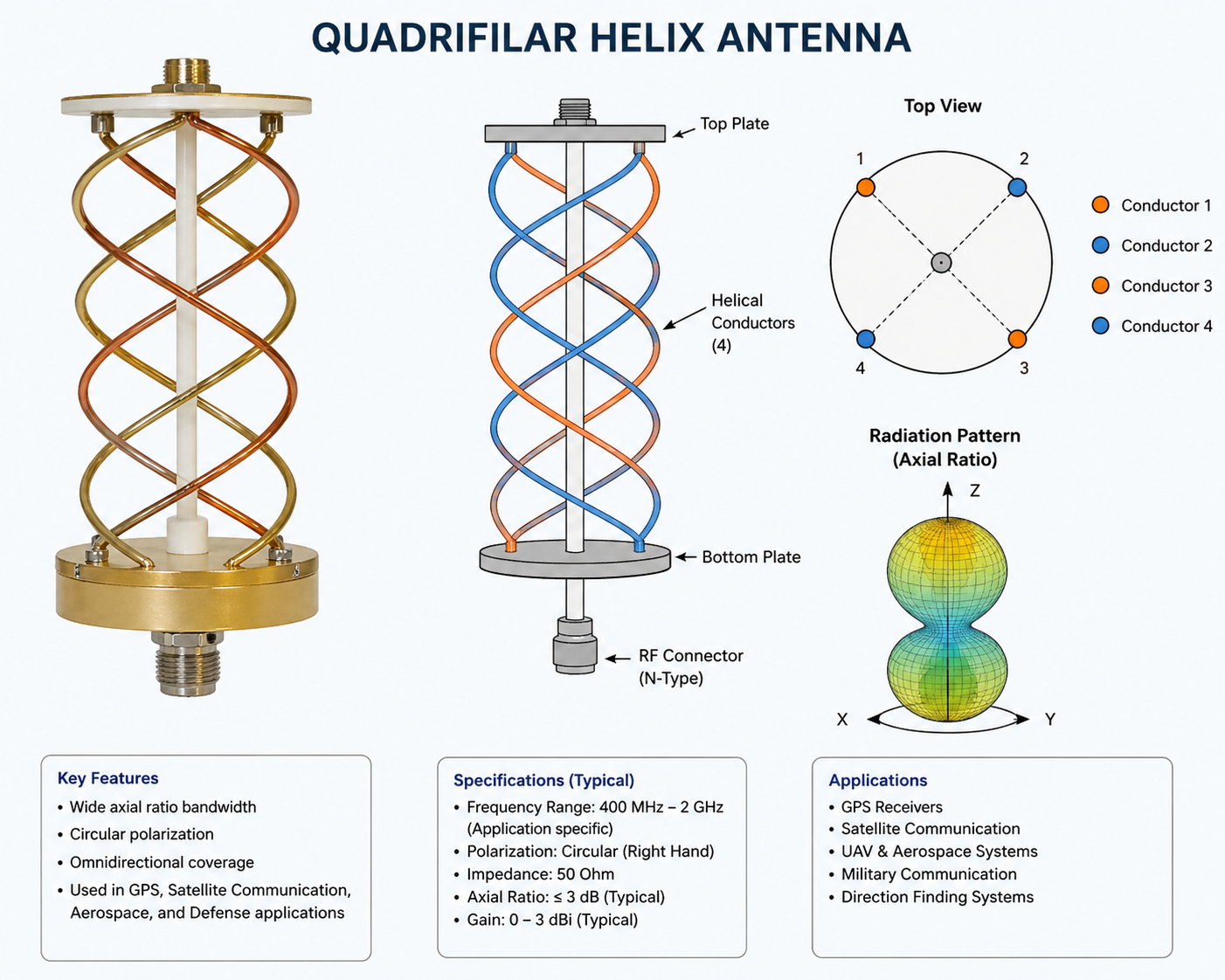
Helix antennas are some of the most popular antennas used in wireless communication systems due to their simplicity and effectiveness. The Quadrifilar Helix Antenna (QHA) is one of the most commonly used types of helix antennas for GPS, satellite and space applications. For novices, the Quadrifilar Helix Antenna may seem complicated, but its operation is quite simple. In this article, we will...
A new growth forecast report titled Home Infusion Therapy Market Size, Share, Trend, Industry Analysis Report By Type (Product, Service), By Application (Anti-infective, Endocrinology, Hydration Therapy, Chemotherapy, Enteral Nutrition, Parenteral Nutrition), By Region – Market Forecast, 2025–2034 introduced by Polaris Market Research represents conclusive data on the overall...

Honkai: Star Rail 4.1 Update News An official summary and the trailer for Honkai: Star Rail’s 4.1 update have been released. Patch 4.1 is scheduled to go live on March 25. Three redeemable codes were shared during the broadcast: dbj9rjlmlszb — includes 100 Stellar Jades and additional rewards csj882ll4bhf — includes 100 Stellar Jades and additional rewards 7t3r83mmmty3...
When it comes to enjoying delicious meals with friends, family, or colleagues, nothing creates memorable moments like a freshly prepared Pizza. From classic flavours to exciting combinations, every bite brings the perfect balance of taste, quality, and satisfaction. Whether you are planning a casual gathering, a weekend treat, or simply craving something delicious, choosing the right Pizza can...
Search rankings feel much harder to improve now because almost every business competes aggressively for online visibility across the same keywords and industries together. Companies publish content constantly. Rankings still move slowly sometimes.Many businesses search for affordable link building services because SEO budgets usually stay limited while competition keeps growing...