When Should You Introduce a Baby Pacifier to Your Baby?
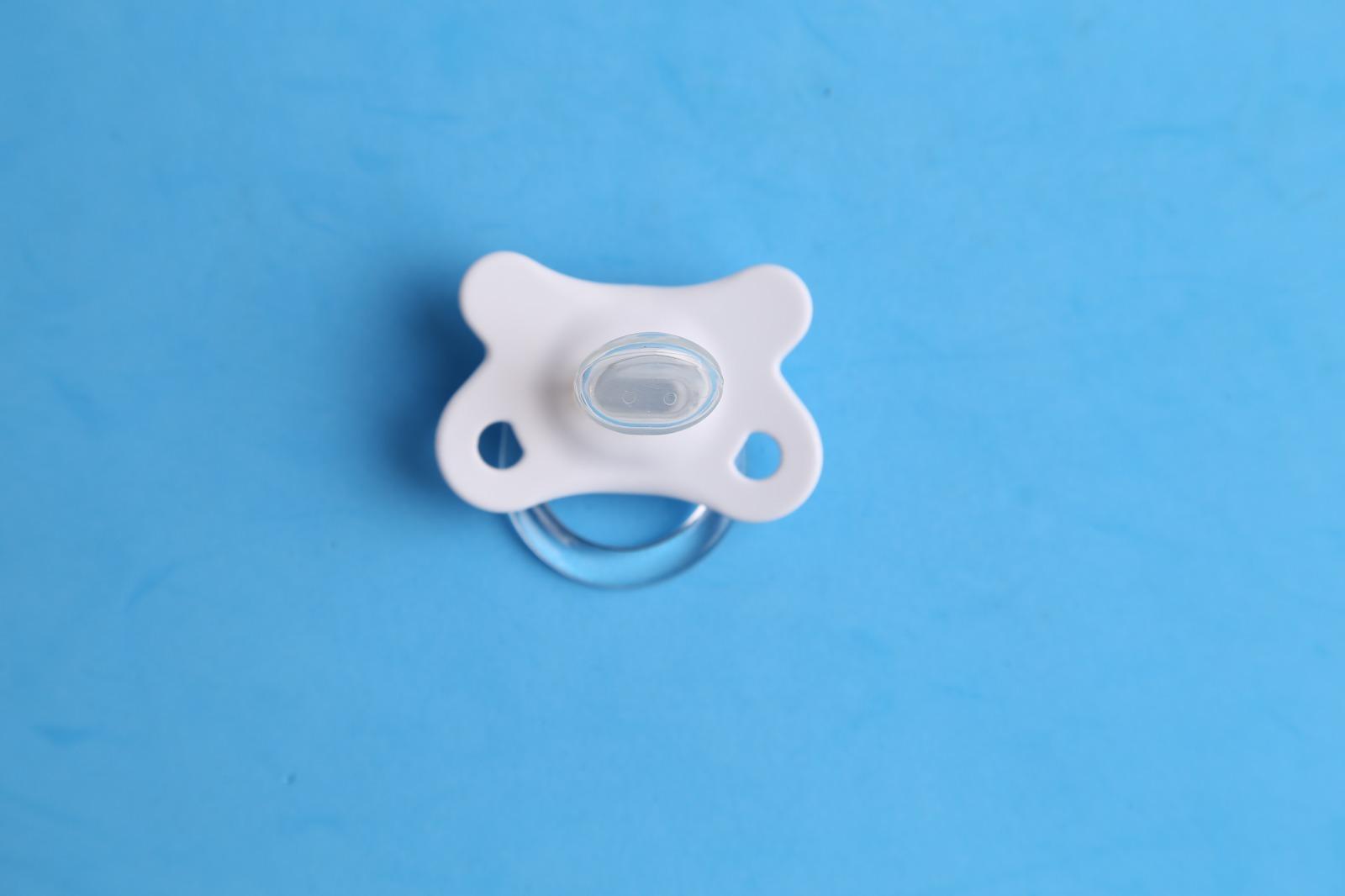
Welcoming a newborn into the family brings joy, excitement, and many questions. One common question among new parents is when to introduce a pacifier. Some babies naturally enjoy sucking for comfort, while others may not show much interest. Since soothing methods vary from child to child, parents often wonder what the right time is and whether using a pacifier is a good idea.
A pacifier can be a useful comfort tool when used correctly. It may help calm a fussy baby, settle them during sleep, or provide soothing during travel and doctor visits. However, timing matters. Introducing it too early or without understanding your baby’s feeding pattern can sometimes create confusion for parents.
The best approach is to understand your baby’s needs, feeding routine, and stage of development before making the decision. Every baby is different, so there is no single rule that suits all families.
Understanding Why Babies Like to Suck
Babies are born with a natural sucking reflex. This reflex helps them feed, but it also gives comfort. Many newborns suck their fingers, hands, or seek to nurse even when they are not hungry. This is called non-nutritive sucking, and it is completely normal.
Sucking often helps babies feel secure and relaxed. That is why many infants settle quickly when given something safe to suck on. A pacifier can become a practical option for this purpose when introduced thoughtfully.
Parents often notice sucking needs during:
-
Sleep time
-
Fussiness after feeding
-
Car journeys
-
Vaccination visits
-
Overtired evenings
Recognising these moments helps you understand whether your baby may benefit from a soothing aid.
If You Are Breastfeeding, Timing Is Important
For breastfeeding mothers, many health professionals recommend waiting until breastfeeding is well established before introducing a pacifier. This often means allowing the baby and mother time to build a comfortable feeding rhythm first.
In the early days, babies are learning how to latch and feed efficiently. Mothers are also adjusting milk supply. During this period, frequent feeding helps support successful breastfeeding. Introducing artificial sucking too early may sometimes create confusion in some babies, though not all babies are affected.
Once feeding is going smoothly, weight gain is healthy, and latch is comfortable, many families feel more confident introducing a pacifier if needed.
Bottle-Fed Babies and Pacifier Use
Bottle-fed babies may sometimes adapt to pacifiers earlier because they are already familiar with a teat-like feeding method. Even then, it is still wise to ensure feeding needs are met first. A pacifier should never replace a feed when the baby is hungry.
Parents should first check whether the baby needs:
-
Milk
-
Burping
-
Nappy change
-
Sleep
-
Comfort holding
Only after these needs are considered should a pacifier be used for soothing.
Common Age for Introduction
Many parents introduce a pacifier after the first few weeks, once feeding patterns become clearer. For some families this may be around three to four weeks, while others may choose later. There is no need to rush.
Midway through early parenting, many families choose a baby pacifier when they notice their child has a strong need for comfort sucking despite being well-fed and otherwise settled.
The key is not the calendar date alone, but whether your baby is feeding well and gaining weight normally.
Signs Your Baby May Be Ready
Some babies show clear signs that a pacifier may be helpful. Others reject it completely. Both are normal responses.
Possible signs include:
-
Strong sucking after full feeds
-
Difficulty settling despite being fed and clean
-
Wanting to suck fingers constantly
-
Needing extra soothing during naps
-
Fussiness during travel
If these patterns appear regularly, a pacifier may be worth trying.
Signs to Wait a Little Longer
Sometimes it is better to delay introduction, especially if feeding is still unsettled.
Consider waiting if:
-
Breastfeeding latch is still difficult
-
Baby is not gaining weight well
-
Feeds are irregular and confusing
-
Baby frequently falls asleep before feeding properly
-
Parents feel unsure about feeding cues
In such cases, focusing on feeding first is usually the wiser choice.
How to Introduce It Properly
When offering a pacifier for the first time, stay relaxed. Some babies accept it immediately, while others spit it out several times before deciding.
Offer it when the baby is calm or sleepy rather than during intense crying. Never force it into the mouth. If the baby rejects it, try another day.
Choose an age-appropriate pacifier with safe materials and proper ventilation holes. Keep it clean and inspect it regularly for wear.
Benefits of Correct Use
When used sensibly, pacifiers can make life easier for both baby and parents.
Possible benefits include:
-
Helps soothe fussiness
-
May support sleep settling
-
Useful during travel
-
Can calm babies during vaccinations
-
Offers comfort between feeds
It should be viewed as one tool among many, not the only soothing method.
Avoid Overdependence
While pacifiers can be useful, they should not become the answer to every cry. Babies cry for many reasons including hunger, discomfort, tiredness, gas, and the need for cuddling.
Always check basic needs first. If a hungry baby is repeatedly given a pacifier instead of feeding, frustration may increase. Responsive parenting remains more important than any product.
It also helps to allow times during the day when the baby is calm without always needing the pacifier.
Hygiene and Safety Matter
Cleanliness is essential, especially for young babies. Wash and sterilise according to product instructions. Replace damaged or worn pacifiers promptly.
Important safety reminders:
-
Never dip it in sugar or honey
-
Do not tie it around the baby’s neck
-
Replace cracked or torn pacifiers
-
Use the correct size for age
-
Keep extras clean and ready
Simple care makes pacifier use safer and more practical.
When to Stop Later On
Pacifiers are usually most useful during infancy. As babies grow, comfort methods can expand to include cuddles, routines, favourite toys, and communication. Many parents gradually reduce use during toddler years.
There is no need to worry about future weaning when you are just starting. That stage can be handled gently later.
Final Thoughts
The right time to introduce a pacifier depends less on age alone and more on your baby’s feeding success, comfort needs, and daily routine. If feeding is going well and your baby seeks extra sucking comfort, a pacifier may be a helpful option.
Use it thoughtfully, keep it clean, and never let it replace attention to hunger or discomfort. Every baby is different, so trust observation over pressure. With the right timing, a pacifier can become a useful support during the early months of parenting.
Categorias
Leia Mais
The Goods and Services Tax (GST) is a big reform in India’s indirect tax system, which subsumes various state and central taxes into one single tax. Since the implementation in July 2017, the GST regime has been constantly evolving and changing through various amendments intended to facilitate compliance, introduce efficiency, and simplify clarification. It is worthwhile...

Missing teeth can affect not only your smile but also your confidence and oral health. At Samadhan Clinic, we provide advanced and long-lasting solutions for Dental Implants in Dwarka using modern technology and high-quality implant systems. Dental implants are designed to replace missing teeth with natural-looking artificial teeth that restore both function and appearance. Best Dental Implants...

The Desert Bloom Partners event has arrived in Monopoly GO, introducing a collaborative twist that requires you to team up with partners to build attractions on your board. While communication and coordination are key, the right strategy can significantly boost your progress. This guide covers the March 28, 2025 event schedule and offers practical tips to maximize your rewards during this...

" Exactitude Consultancy That Adds Flavour To Your Success" Medical Laser Market forecast. Comparative study of solid-state and gas lasers for surgical and aesthetic dermatology procedures. Exactitude Consultancy has just launched its latest market research report, titled "Medical Laser Market: Market Size, Share, Growth Outlook & Industry Analysis Report: Type: Solid-state, Gas,...

Taking charge of your sexual health is one of the most proactive steps you can take for your overall well-being. In a vibrant, fast-paced city like Dubai, access to healthcare is convenient and efficient, ensuring that you can prioritize your health with ease and discretion. Understanding the importance of early detection and knowing how to navigate the available options is key to maintaining...