


Are You Aware of How to Become a Dermatologist
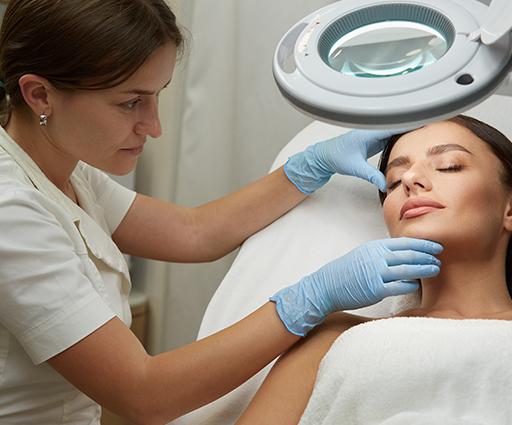
Dermatology is one of the most desired branches in Indian and world medical sciences. This specialty concentrates on diagnosing and treating problems related to skin, hair, and nails making it a perfect blend of medical knowledge, patient interaction, and prospective career benefits. Dermatology's high demand, relatively favorable work-life balance and importance in both medical and cosmetic healthcare attract many aspiring doctors.
For anyone seeking to build a career in this domain, you should understand the complete journey. Every step, from educational requirements to specialization and career prospects, is then an essential part of building your future as a dermatologist.
Understanding the Career Path
In order to learn how to become a dermatologist, you should realize that it is an organized process and highly competitive which calls for commitment, diligence and comprehensive work. Dermatology is a sort of specialty that doesn't offer direct entry; it has many stages.
Step 1: Go Through Your 10+2 Education
Choose the Right Stream
Your journey actually begins right after your secondary education. Students need to take: Science Stream with;
-
Physics
-
Chemistry
-
Biology
These subjects are the basis of medical entrance examinations and subsequent studies.
Focus on Strong Academic Performance
Higher Marks in 10+2 is a must, since it decides your entrance into top medical colleges and entrance exams.
Step 2: Passing the Medical Entrance Tests
Appear for NEET
In India, an applicant has to qualify through the National Eligibility cum Entrance Test (NEET) examination i.e. This is the test through which you will become eligible to seek admission in MBBS programs running at government and private medical colleges.
Secure a Good Rank
Dermatology is an in-demand specialization, and scoring even above average cuts down your chances of getting into prestigious institutions through NEET.
Step 3: Pursue an MBBS Degree
Duration and Curriculum
The MBBS has a duration of 5.5 and includes:
-
4.5 years of academic study
-
1 year of compulsory internship
This training includes various medical courses - anatomy, physiology or pharmacology and pathology etc.
Gain Practical Exposure
Internships give students the chance to witness real world medical practices through hands-on training in various departments.
Step 4: Specialize in Dermatology
Postgraduate Degree Options
Once you finish MBBS, you have to do a MD in dermatology. Common options include:
-
MD in Dermatology
-
MS in Dermatology
-
Diploma in Dermatology
Entrance Exams for PG
In order to get into a post-graduate programme, you must clear the exams such as:
-
NEET PG
-
INI CET
You must work hard and secure a good rank because the number of seats in dermatology courses is limited.
Step 5: Get Clinical & Technical Skills
Key Skills Required
A successful dermatologist must possess:
-
Strong diagnostic abilities
-
Attention to detail
-
Communication skills
-
Knowledge of cosmetic procedures
Stay Updated with Trends
Dermatology is fast evolving with discovery of new laser treatments, aesthetic procedures and technologies in skin care.
Step 6 — Get Experience and Become an Expert
Work in Hospitals or Clinics
Once again, after you finished your specialization, you can begin working in:
-
Government hospitals
-
Private hospitals
-
Skin clinics
-
Cosmetic centers
Build a Patient Base
As dermatologists gain experience, they build trust and credibility, resulting in higher patient volume and profit.
Step 7: Explore Subspecialties
Advanced Career Options
Dermatology has a number of subspecialties, including:
-
Cosmetic dermatology
-
Pediatric dermatology
-
Dermatopathology
-
Trichology (hair-related treatments)
Focusing on a specific area can have a real positive impact on opportunities and potential to earn a high income.
Step 8: Consider Private Practice
Start Your Own Clinic
Most dermatologists later prefer to set up their own clinics after getting some experience. This allows:
-
Higher income potential
-
Independence in practice
-
Flexibility in working hours
Investment and Planning
Planning is essential if you want to set up a sustainable clinic, and not face common pitfalls which will stop patients coming through your door.
Step 9: Continuous Learning and Certifications
Importance of Lifelong Learning
Medicine is an evolving field, and continued education helps you keep up-to-date.
Certifications and Workshops
Working in workshops, conferences and certification programs helps to do the following:
-
Learning new techniques
-
Improving skills
-
Expanding professional network
THE ULTIMATE CAREER OPPORTUNITIES AND SCOPE (Step 10)
Growing Demand
Reasons behind this increase for the demand of dermatologists are:
-
Rising awareness about skincare
-
Growth in cosmetic treatments
-
Increase in skin-related disorders
Diverse Work Opportunities
Dermatologists can work in:
-
Hospitals
-
Research institutions
-
Academic roles
-
Cosmetic and wellness industries
The Importance of Fellowships in Career Advancement
Why Fellowships Matter
Fellowships offer more focused training in dermatology subspecialties. Every doctor pursues these degrees as this is how they gain specialisation and uniqueness in a competitive background.
Choosing the Right Program
Choosing a Reputable Fellowship in Dermatology can be your sole-ticket to a great job, better pay and global exposure. These programs prepare professionals to be well equipped by imparting hands-on training and practical knowledge.
Challenges in Becoming a Dermatologist
Competitive Nature
Dermatology is one of the most coveted branches, it requires good ranking in entrance exams.
Long Educational Journey
It requires years of study and training and is an exercise in patience and endurance.
Financial Investment
Medical education is a costly affair, especially in private institutions.
Benefits of Choosing Dermatology
High Earning Potential
Dermatologists who do cosmetic work rank as some of the better compensated docs around.
Better Work-Life Balance
Working hours in dermatology are often more predictable than those of some other specialties.
Job Satisfaction
It can be very gratifying working with patients to enhance their confidence and skin health.
Conclusion
Now that you know a little about what it takes to become a dermatologist, let me tell you that this is a long journey that requires hard work and the discipline on how to do each step. Whether it is selecting the appropriate subjects in school, obtaining an MBBS and then specialization, each stage contributes to your career.
Dermatology can offer a satisfying and financially lucrative career for those who are interested in skin disease or health, education and are open to continuous learning. And with the correct pathway, experience and improvement in your skills you can stand as a successful dermatologist whether it be in India or abroad.
Categorias
Leia mais
Reliable airflow management has become increasingly important across industrial production, environmental engineering, and aquaculture systems, making Vortex Air Blower an essential solution for applications requiring continuous, stable air movement. Modern industries depend on efficient airflow equipment to support production processes, improve operational stability, and maintain consistent...

Current Transducer Market size was valued at US$ 709.85 Mn. in 2024 and the total revenue is expected to grow at a CAGR of 3.43% through 2025 to 2032, reaching nearly US$ 929.69 Mn. Current Transducer Market Overview: Maximize Market Research is a Business Consultancy Firm that has published a detailed analysis of the “Current Transducer Market”.The report includes...

Coinciding with the positional levels of competition at starting up straight shield alongside their offensive line, the Indianapolis Colts far too are projected toward comprise a doing exercises camp overcome at commencing directly take care now, this level of competition is made up of transformed a little bit within just the final number of months versus what we after understood, and it could...

The process of selecting ISO Consultant Bahrain needs to be carried out by businesses which seek international standards to boost their performance in the competitive market. The ISO certification programs ISO 9001 ISO 14001 ISO 27001 and ISO 45001 have gained traction among Bahrain businesses which want to enhance their quality management and environmental protection and information security...

The semiconductor manufacturing ecosystem across North America is undergoing significant transformation as governments and private enterprises invest heavily in domestic chip production capabilities. The United States, in particular, is strengthening its position in the global semiconductor supply chain through large-scale investments in fabrication facilities, advanced packaging technologies,...
