Hands-On Training Still Matters in the Beauty Industry
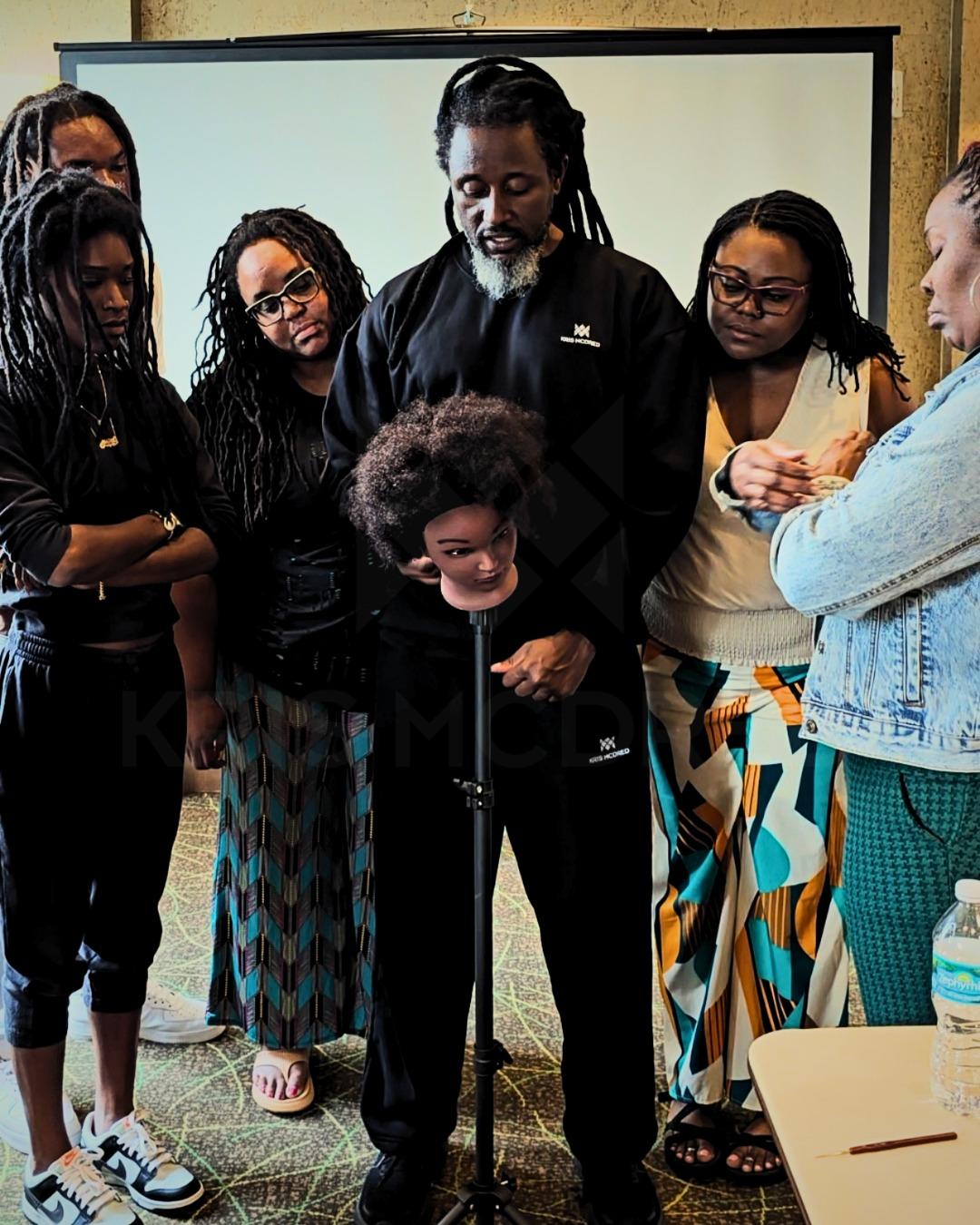
The beauty industry has always been a blend of art and science, requiring both creativity and technical precision. From hairstyling and skincare to makeup artistry and nail design, practitioners must master a variety of skills to succeed. While online tutorials and virtual classes have made learning more accessible than ever, hands-on training continues to hold a unique and indispensable value. This type of training allows students to fully understand techniques, develop muscle memory, and gain the confidence that comes from practical experience.
The Limitations of Virtual Learning
Online learning has transformed education in many industries, and beauty is no exception. Students can access instructional videos, attend live webinars, and even participate in virtual workshops. These resources are convenient, often allowing learners to study at their own pace. However, virtual instruction has significant limitations. Watching a demonstration is not the same as performing the technique yourself. A video cannot provide real-time correction, and subtle mistakes can go unnoticed until they become habits.
For example, applying a loc technique on a mannequin head is different from doing it on live hair. Without feedback from a trained instructor, students may develop improper tension, uneven spacing, or inconsistent sizing, which can affect the final look. Hands-on training addresses these gaps by ensuring that learners receive immediate guidance and correction.
Muscle Memory and Technical Proficiency
One of the most important aspects of hands-on training is the development of muscle memory. In the beauty industry, precise hand movements, angles, and pressure are crucial. Repetition under supervision allows students to internalize these motions, making them second nature. Muscle memory reduces the likelihood of errors when performing services on clients, enhancing both efficiency and quality.
Consider hairstyling techniques like braiding, twisting, or crochet locs. Without repeated practice under guidance, beginners may struggle to achieve uniform results. Hands-on workshops allow students to refine their grip, speed, and hand positioning. Over time, these actions become instinctive, enabling professionals to work quickly and accurately in real-world scenarios.
Immediate Feedback and Personalized Guidance
Another key advantage of hands-on training is immediate feedback. A skilled instructor can observe students as they work and provide tailored advice. This interaction is difficult to replicate in virtual settings. In-person guidance can correct small mistakes before they become ingrained habits. For instance, a hairstylist may need help adjusting the angle of a sectioning comb or the tension applied while twisting hair. Without correction, these errors could lead to client dissatisfaction or hair damage.
Personalized guidance also extends to problem-solving. Each student may have unique challenges, such as hand dexterity, coordination, or learning speed. Instructors can adapt their teaching methods to address these individual needs, creating a more effective learning experience. This level of customization is one of the reasons why hands-on training remains a gold standard in beauty education.
Building Confidence Through Experience
Confidence is a critical factor in the success of beauty professionals. Hands-on training helps students build confidence by allowing them to practice in a controlled environment before working with real clients. The opportunity to experiment, make mistakes, and receive guidance reduces anxiety and promotes self-assurance. Confident practitioners are more likely to take on complex styles, offer innovative services, and engage clients with professionalism.
For example, a student learning advanced loc techniques may initially hesitate to attempt certain styles. With repeated practice in a hands-on setting, they gain the competence needed to execute intricate designs with ease. This confidence not only improves performance but also enhances client trust, which is essential for career growth.
Networking and Professional Relationships
Hands-on training often takes place in classrooms, workshops, or salons where students interact directly with instructors and peers. These interactions foster networking opportunities that can be invaluable for career development. Students can exchange tips, share experiences, and form professional relationships that may lead to collaborations, referrals, or mentorships.
Learning from experienced professionals like loc sleeve offers more than just technical knowledge. Observing industry leaders in action provides insights into business practices, client management, and creative problem-solving. Such exposure is difficult to achieve solely through online platforms, making hands-on training a critical avenue for holistic professional growth.
Adapting to Real-World Challenges
The beauty industry presents a range of real-world challenges that cannot always be simulated online. Every client’s hair texture, skin type, and preferences are unique. Hands-on training exposes students to this diversity, helping them develop adaptability and problem-solving skills. Students learn to troubleshoot on the spot, adjust techniques, and deliver results that meet client expectations.
For instance, a practitioner may encounter curly, coarse hair that behaves differently from what they practiced on a mannequin. Hands-on experience teaches them to modify tension, sectioning, or styling methods to suit individual needs. This adaptability is critical for maintaining high standards of service and building a loyal clientele.
Enhancing Creativity and Innovation
Practical training environments encourage experimentation and creativity. Students can try new styles, combine techniques, and push the boundaries of their artistry under expert supervision. This hands-on approach fosters innovation, as learners gain the freedom to explore different methods while receiving constructive feedback.
Moreover, instructors can demonstrate advanced techniques, show variations, and inspire students to develop their own unique approaches. Learning from professionals like Kris Mcdred not only imparts technical skill but also nurtures artistic vision, helping students stand out in a competitive market.
Complementing Online Learning
It’s important to note that hands-on training does not replace online learning but complements it. Virtual resources provide theoretical knowledge, inspiration, and flexibility, while in-person practice ensures skill mastery and confidence. The most effective educational approach in the beauty industry combines both methods.
Students might watch prerecorded tutorials to understand the steps of a complex technique and then apply them in a hands-on workshop. This combination allows learners to internalize the concepts while honing practical skills. Instructors can then address misunderstandings, reinforce correct methods, and guide creative application.
Long-Term Career Benefits
Investing in hands-on training has long-term benefits for beauty professionals. Mastery of techniques, confidence, and adaptability lead to higher client satisfaction, repeat business, and positive reputation. Skilled practitioners are also better positioned to teach others, expand their services, or launch educational programs. Those who train under respected educators like Kris Mcdred gain credibility and access to a network of peers and mentors, further enhancing career prospects.
Additionally, hands-on training encourages lifelong learning. Professionals who experience the value of practical education early in their careers are more likely to continue refining their skills and exploring new techniques. This commitment to growth ensures that they remain competitive and relevant in a rapidly evolving industry.
Conclusion
Hands-on training continues to be a cornerstone of excellence in the beauty industry. While online resources and virtual learning platforms provide valuable knowledge, practical experience is essential for developing technical proficiency, confidence, and creativity. Immediate feedback, personalized guidance, and real-world exposure cannot be fully replicated in a digital environment.
Learning from experienced professionals, including figures like Kris Mcdred, demonstrates the transformative impact of hands-on education. These programs equip students with the skills, confidence, and professional relationships needed to succeed in a competitive market. For aspiring beauty professionals, investing time in hands-on training is not just an option—it is a critical step toward mastery and long-term success.
Κατηγορίες
Διαβάζω περισσότερα
"Executive Summary: Video and Voice Call Mobile VoIP Market Size and Share by Application & Industry CAGR Value The global video and voice call mobile VoIP market size was valued at USD 15.2 billion in 2024 and is projected to reach USD 65.79 billion by 2032, with a CAGR of 20.10% during the forecast period of 2020.1 to 2032 The leading Video and Voice Call Mobile VoIP...

Executive Summary Automotive Glove Box Market Size and Share Across Top Segments Global automotive glove box market was valued at USD 152.5 million in 2021 and is expected to reach USD 196.20 million by 2029, registering a CAGR of 3.20% during the forecast period of 2022-2029. Automotive Glove Box Market research report comprises of fundamental, secondary and advanced information...

The gambling industry hasn’t slowed down. If anything, competition has intensified. More operators are entering emerging markets, established brands are expanding aggressively, and affiliates are competing for increasingly expensive traffic. At the same time, compliance restrictions have tightened. Major platforms limit visibility. Accounts are flagged quickly. Creative approvals are...
When it comes to upgrading your home’s exterior, choosing the right cladding material is crucial. Homeowners today are increasingly turning to WPC Cladding for Exterior due to its durability, low maintenance, and aesthetic appeal. WPC, or Wood Plastic Composite, combines the natural look of wood with the resilience of plastic, making it an ideal choice for modern homes and commercial...

Learn what Torx screws are, how they work, their sizes, uses, benefits, and why they are widely used in machines and daily products. What Makes Torx Head Screws Different Torx head screws have a star-shaped recess with six rounded points. This design is different from flat-head or Phillips screws, which can slip easily when force is applied. The star shape allows the tool to fit deeply into the...