


Digital Classroom: Enhancing Experiential Learning in Modern Schools
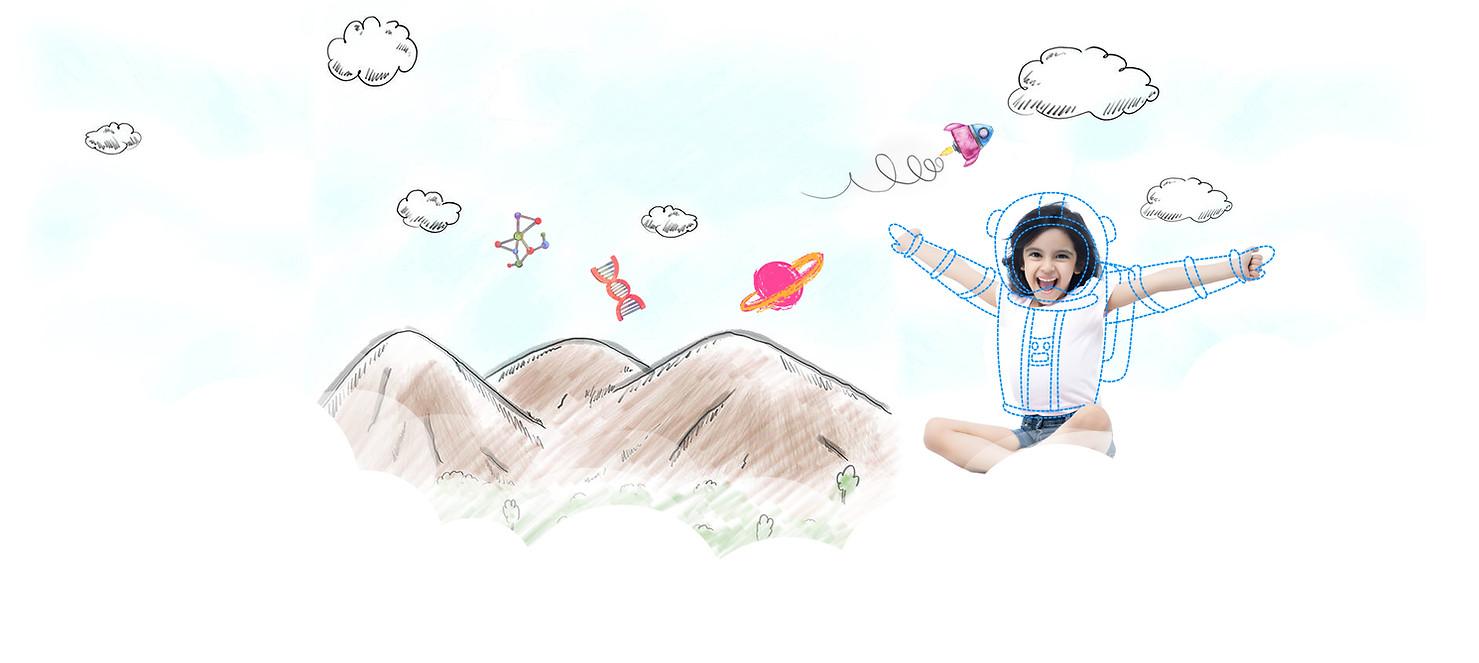
Introduction: A New Way of Learning
Education today is undergoing rapid transformations which exceed previous rates of change. Classrooms now utilize more than chalkboards and textbooks as their teaching materials. Schools now utilize modern approaches which enhance student engagement through interactive educational methods that create deeper learning experiences. The Digital Classroom movement establishes a new educational model which combines technological resources with teaching methods to improve student learning outcomes.
A Digital Classroom exists beyond its computer and screen usage as its central function. The system creates animated educational experiences which support student learning. Students experience lessons through audio-visual elements which allow them to interact with educational content for better concept understanding. Visual materials and storytelling combined with interactive activities enable young children to learn complex concepts.
The educational system needs this transformation because contemporary schools now consider experiential learning as their primary method of teaching.
What is a Digital Classroom?
A Digital Classroom serves as an educational space which uses technology to enhance both teaching methods and student learning activities. The system provides educational professionals with interactive displays and multimedia resources and online materials which enable them to present concepts in an accessible and captivating manner.
Students can access educational materials through videos and interactive problem-solving activities and hands-on learning experiences. The educational content becomes more captivating while it reduces difficulty of comprehension.
Children can learn about animals through videos which show their sounds and virtual forest tours. The classroom environment produces authentic life learning experiences for students.
Understanding Experiential Learning in Simple Words
The process of experiential learning enables students to learn through direct experience of activities. Students can study more effectively because they can take part in the learning process instead of needing to memorize facts.
A child studies plant life through direct experience. The child plants a seed and cares for it by watering and observing its growth. The child gains better understanding through the practical experience which helps him remember the concept for an extended period.
The Digital Classroom system enables this teaching method through its tools which create authentic environment. The system establishes a link between theoretical knowledge and practical application which enhances educational relevance.
How Digital Classroom Supports Experiential Learning
The Digital Classroom function serves as an essential component for modern schools because it improves their capacity to deliver experiential learning activities. The system establishes a connection between imagination and actuality because it makes abstract concepts accessible through its interactive features.
Students can establish better connections with the subject matter through three types of visual content which include moving images and animations and real-world examples. The program enables them to develop their thinking skills while they build their questioning abilities and engage in deeper exploration.
Digital tools enable teachers to develop activities which will drive student engagement through active participation. Students can acquire knowledge through collaborative work while they solve real-world problems and use this method for discovery-based learning.
The system offers multiple learning benefits which include the following key functions:
- Visual explanations which simplify complex topics through their ability to create simpler visual representations
- Interactive activities which maintain student interest throughout their educational experience
- Real-life simulations which enhance understanding capabilities
- Students receive immediate feedback which enables them to learn from their errors.
Role of Future Classroom in Modern Education
The Future Classroom concept exists as a projection of educational development. The learning environment includes flexible space arrangements which use technology to support student-driven educational activities.
Students in a Future Classroom become active participants to their learning process. They take part in discussions and work on projects while solving problems together with their peers. The students use technology as their learning instrument to study various knowledge domains.
The Digital Classroom functions as an essential component of the educational transformation process. The program teaches students real-world skills which include critical thinking and creativity and team collaboration.
Smart TV Classroom: Making Learning Visual and Interactive
The Smart Tv Classroom serves as one of the most effective educational tools which exists in contemporary learning environments. The system enables teachers to broadcast videos and presentations and interactive content to their audience through screen display.
Smart Tv Classrooms enable students to experience better learning through visual displays which show them all essential information needed for understanding. Young children experience better educational results from visual learning because they acquire knowledge faster when they observe and hear information.
Students can better understand math problems through display of problems which progress through each solution step. Through videos science experiments become accessible for demonstration purposes which classroom activities cannot execute.
The Digital Classroom uses such tools to create an environment where learning becomes enjoyable and effective.
Benefits of Digital Classroom in Schools
Digital Classroom implementation brings various advantages which enhance educational results through better teaching methods.
The interactive and visually appealing lessons make students more engaged in their studies. Teachers can explain concepts more clearly using multimedia tools. Learning becomes faster and easier while becoming more effective.
The system offers three major advantages which include:
- Better understanding of concepts through visuals and activities
- Increased student engagement and participation
- Improved retention of information
- Development of digital skills for future readiness
- Support for different learning styles
These benefits make the Digital Classroom an essential part of modern education systems.
Making Learning Simple for Every Child
The Digital Classroom system offers its most significant benefit because it enables all students to learn material through digital content which they can access from any location.
Children at the age of five can comprehend advanced concepts when adults present those concepts through visual materials which include animations and narrative content. Technology enables users to learn challenging material through its distribution into manageable segments which become simpler to comprehend.
The solar system becomes an exciting educational experience for children when they see actual planet movements in space. The process enhances comprehension while it generates both curiosity and creative thinking.
Challenges and the Way Forward
The Digital Classroom system provides multiple advantages to educational institutions yet presents various difficulties which schools must resolve. The issues that need to be solved involve two main aspects because it requires both technological access and educator development and system deployment.
The obstacles which exist can be solved through effective planning and adequate backing. Schools need to integrate technology into their systems which helps students learn better while maintaining traditional educational methods.
Educational institutions should aim to develop an educational system which combines technology and teaching methods to deliver optimal student learning outcomes.
Conclusion: Building Better Learning Experiences
The Digital Classroom is changing how contemporary students learn in educational institutions. The system enables experiential learning through its interactive components which help students engage with educational material.
Technology integration with educational methods enables schools to develop learning spaces which help students acquire knowledge while building essential life competencies. Smart TV Classroom tools together with Future Classroom vision create educational environments which will evolve through time.
The educational system needs to maintain its focus on developing teaching methods which enable every student to learn in an enjoyable and efficient manner.
Transform Learning with Future-Ready Classrooms
Through experiential learning combined with contemporary teaching methods, educational institutions can create learning experiences which all students find engaging and valuable. NatureNurture provides schools with innovative methods which transform academic concepts into real-world experiences for their students.
The path to create active learning spaces which prepare students for their future educational needs begins here. NatureNurture enables schools to use its platform to enhance their educational methods.
Κατηγορίες
Διαβάζω περισσότερα
Introduction In today’s digital environment, users expect online platforms to provide fast accessibility, smooth interaction, and convenient navigation across multiple devices. Modern internet users no longer want complicated systems that require too much effort during login or account access. Instead, people prefer platforms that feel simple, responsive, and comfortable from the very...

The global Targeted Protein Degradation Market is rapidly emerging as one of the most promising segments in the biopharmaceutical industry, driven by breakthroughs in precision medicine, oncology research, and innovative drug discovery technologies. As pharmaceutical companies seek new approaches to address previously undruggable disease targets, targeted protein degradation (TPD) has become a...
In a world flooded with fleeting digital content, physical books hold a rare and commanding authority. Choosing the right book printers is the difference between creating something ordinary and producing a masterpiece that stands the test of time. Every page, every texture, every detail contributes to how your message is perceived. Landmark Print transforms manuscripts into stunning physical...

In today’s highly competitive digital world, every business needs a strong online presence to stay ahead. Whether you run a startup, a local business, or an established company, visibility on search engines plays a major role in attracting customers and increasing revenue. This is where professional SEO services become essential. At Vefogix.com, businesses can access expert SEO solutions...
Polyethylene (PE) Market: Trends, Drivers, and Future Outlook Polyethylene (PE) stands as one of the most widely used and versatile plastics in the world today. Characterized by its lightweight, durability, and chemical resistance, PE finds applications across diverse sectors, including packaging, construction, automotive, and healthcare. With global industrialization and urbanization...