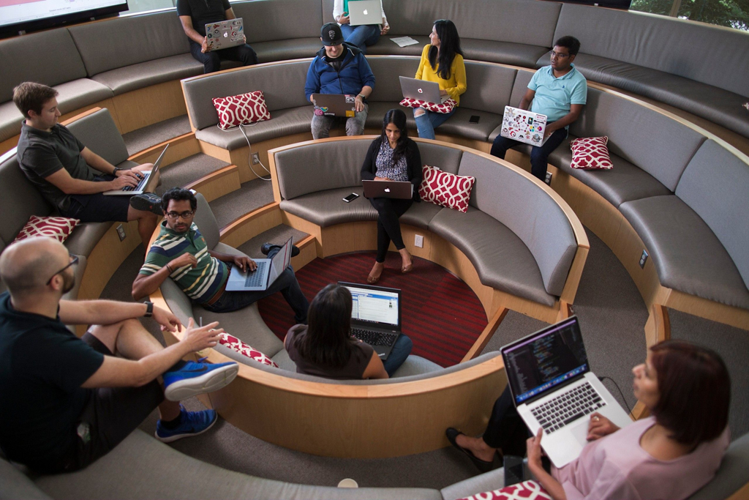
Maximizing Corporate Productivity Through Strategic Interior Layouts
The landscape of commercial environments has undergone a massive shift over the past decade. Companies are no longer satisfied with rows of monotonous cubicles that isolate team members and stifle creativity. Instead, decision-makers are actively seeking layouts that foster community, drive innovation, and support the diverse needs of a modern workforce. Understanding the psychological impact of physical surroundings is the first step toward creating a space where individuals can thrive. When a room is designed with intention, it directly influences the mood, energy levels, and overall output of the people occupying it. Creating a workplace that supports both individual focus and collective collaboration requires a deep understanding of human behavior and operational dynamics.
Beyond the basic arrangement of desks, modern layouts incorporate diverse zones designed to accommodate different types of tasks. Some employees require absolute silence to analyze complex data or write detailed reports, while others need energetic spaces to brainstorm and pitch new ideas. By recognizing these varying demands, organizations can build an infrastructure that respects individual work styles. The shift away from rigid, single-purpose rooms towards flexible, multi-purpose environments is one of the most important developments in contemporary interior design. This evolution reflects a broader understanding of how humans interact with their environment and how design can either enhance or inhibit that interaction.
Enhancing Collaboration and Communication
Creating zones specifically dedicated to teamwork has become a cornerstone of contemporary architecture. Open areas, informal huddle rooms, and large conference spaces each serve a distinct purpose in facilitating spontaneous interactions. When employees can transition seamlessly from deep, focused work to collaborative brainstorming sessions, the friction of communication disappears. These dynamic environments encourage the exchange of ideas and break down the departmental silos that often hinder organizational growth. By designing flexible zones, organizations can ensure that every square foot serves a meaningful purpose and supports the natural flow of daily operations without causing disruption to those who need quiet space.
Furthermore, the physical proximity of different departments can significantly influence cross-functional collaboration. When teams that rely on each other are placed close together, the time required to resolve issues or share updates is reduced. This proximity naturally encourages informal conversations that lead to innovative solutions. Designing these interaction nodes with comfortable seating and accessible whiteboards or digital displays makes it easy for teams to gather at a moment's notice. Such setups not only improve productivity but also build a stronger sense of community and shared purpose among employees.
Ergonomic Furniture and Employee Well-Being
Physical comfort plays a profound role in maintaining high energy and focus throughout the day. Investing in adjustable desks, supportive seating, and modular workstations addresses the physiological demands of sedentary work. Employees who do not experience physical discomfort are much more likely to remain engaged and motivated. Furthermore, providing spaces that allow for movement and postural changes reduces the risk of long-term musculoskeletal issues. Prioritizing human health is a fundamental pillar of forward-thinking design and yields substantial returns in reduced absenteeism and higher job satisfaction. The integration of wellness-focused elements demonstrates a genuine commitment to the health and longevity of the staff.
The selection of furniture goes beyond mere aesthetics; it acts as an investment in human capital. Ergonomic chairs that conform to the spine and adjustable desks that allow workers to alternate between sitting and standing are essential components of a healthy setup. In addition to individual workstations, creating relaxation areas with soft, supportive seating gives employees a place to recharge during breaks. A well-designed rest area helps reduce mental fatigue, allowing workers to return to their tasks with renewed vigor and clarity.
Integrating Advanced Technology Seamlessly
Technology is the invisible backbone of any modern enterprise, and its integration requires careful consideration during the initial design phase. Wires and charging stations should be concealed to maintain a clean aesthetic while remaining easily accessible for daily use. Smart lighting systems, integrated video conferencing tools, and automated climate control contribute to a frictionless experience. When the physical architecture and the digital infrastructure work in harmony, employees can operate without technical interruptions. This synergy creates a highly efficient atmosphere where teams can connect globally without leaving their seats. Managing cables and hardware effectively prevents visual clutter and maintains a professional atmosphere.
The deployment of smart technologies also involves configuring conference rooms to support hybrid meetings. Large screens, high-definition cameras, and sensitive microphones must be positioned so that in-person and remote participants can engage equally. The layout must allow clear lines of sight and acoustic quality that minimizes background noise. By building these capabilities directly into the architectural plan, companies avoid the disruptions caused by retrofitting equipment later. This seamless integration ensures that technology remains an enabler rather than an obstacle in daily operations.
Optimizing Natural Light and Acoustics
The sensory experience of a workplace heavily dictates how individuals feel and perform. Exposure to natural sunlight regulates the circadian rhythm, which improves sleep quality and daytime alertness. Incorporating large windows and glass partitions allows light to penetrate deep into the interior. Simultaneously, controlling noise levels through acoustic panels and strategic placement of quiet zones ensures that focus is never compromised. Balancing the need for openness with the necessity for quiet concentration creates a harmonious environment that caters to different personality types and work styles. Sound masking technologies and soft textile materials further enhance the acoustic quality of the space.
Proper lighting design involves adjusting the balance between artificial and natural light throughout the day. Automated blinds and dimming systems can adapt to changing weather conditions, ensuring that workspaces remain comfortable and glare-free. Similarly, acoustic management is critical in open-plan offices where sound can easily travel. By installing sound-absorbing materials on walls, ceilings, and floors, organizations can reduce the overall noise level and provide distinct acoustic zones for different tasks.
The Role of Layout Strategies in Productivity
A well-structured environment does much more than provide a place to sit and work. It dictates the rhythm of the day and shapes the organizational culture. This is where KV Workspace office planning becomes an indispensable tool for businesses aiming to optimize their footprint. By analyzing traffic flow, functional requirements, and company culture, planners can arrange elements in a way that minimizes distractions and maximizes functional space. Such strategic foresight prevents the accumulation of clutter and ensures that every corner of the office contributes positively to the daily workflow. Thoughtful arrangement of desks and shared facilities ensures a balanced use of the available square footage.
Effective spatial management involves understanding how different departments interact and the specific tools they require to perform their duties. By mapping out these relationships, planners create zones that support both individual focus and group collaboration. This analytical approach to spatial organization ensures that no area is wasted and that the entire footprint is utilized to its maximum potential. Consequently, businesses experience fewer logistical bottlenecks and a smoother transition of resources between teams.
Elevating Commercial Environments Through Expert Design
Transforming a vision into a tangible reality requires specialized expertise in commercial interior design. KV Workspace focuses on delivering tailored solutions that reflect the unique identity and operational needs of each client. The team works closely with businesses to select premium materials, arrange furniture layouts, and design spaces that inspire confidence and professionalism. By focusing on quality and functionality, the company ensures that every interior transformation is a long-term investment in the workforce. The approach emphasizes creating environments where people feel valued, supported, and ready to tackle the challenges of the future without the need for constant redesign.
The process begins with a thorough evaluation of the existing space and the long-term strategic goals of the enterprise. Designers and project managers collaborate with the client to understand their brand values, work methodologies, and daily routines. This collaborative approach ensures that the final layout is not just a standard template, but a bespoke design that supports the unique rhythm of the business. From selecting sustainable materials to deploying ergonomic furnishings, every detail is chosen to enhance both comfort and productivity.
Conclusion
The design of a workspace is not merely an aesthetic choice, but a critical strategic decision that impacts the daily operations and long-term success of an enterprise. Every detail, from the choice of seating to the arrangement of collaborative zones, contributes to the overall effectiveness of the organization. Companies that invest thoughtfully in their physical environment create a foundation for sustained growth and innovation.
When businesses align their spatial design with their operational goals, they unlock new levels of creativity and employee satisfaction. By minimizing distractions and maximizing functional utility, leaders can foster a culture of excellence and mutual support. The physical layout serves as an anchor for team culture, reinforcing the values and mission of the organization day after day.
Categorias
Leia mais
The landscape of healthcare funding in Britain is undergoing a period of intense scrutiny and structural realignment. For legal professionals operating within the private client and clinical negligence spheres, the management of NHS continuing healthcare claims UK : care fee recovery has emerged as a high-stakes arena of practice. As we move through 2026, the intersection of rising social care...
The global aircraft carbon braking system market is experiencing significant growth due to the increasing demand for advanced braking technologies that enhance aircraft safety, operational efficiency, and performance. Aircraft carbon braking systems are widely adopted across commercial and military aviation because of their lightweight properties, durability, and ability...

Streetwear Shirts Continue to Define Modern Fashion Streetwear has become one of the strongest influences on fashion in the US, and shirts remain at the heart of this evolving trend. In 2026, consumers are choosing clothing that offers comfort, versatility, and long-lasting quality rather than chasing fast-changing styles. A well-designed streetwear shirt is no longer limited to casual...
The construction and cement industries demand efficient and reliable mixing equipment to produce high-quality materials consistently. The Vertical Mixer plays an essential role in these industries by enabling thorough and uniform blending of various raw materials such as cement, sand, gravel, and additives. This equipment ensures that the mixture achieves the proper consistency and strength...

Powering a global streaming service requires immense energy, yet our focus remains on minimizing this environmental impact. Our commitment to sustainability drives continuous innovation. Efficiency is our first priority. We constantly optimize server performance, doubling bandwidth per watt in just two years. This halves the energy needed for the same output, making our infrastructure leaner...