How to Become a Pilot in India After 12th: Complete Guide for Students

Many students dream of becoming airline pilots but feel confused about where to start, what subjects to study, which institute to join, and whether aviation is really worth it as a career. The good thing is that the pilot pathway in India is actually very structured once you understand the process properly.
If you are studying in 11th or planning your future after 12th, this guide will help you understand the complete commercial pilot roadmap in India.
How Can I Prepare Myself to Be a Pilot When I Am in 11th?
If you are already thinking about aviation in 11th standard, you are starting at the right time.
The first thing you should focus on is choosing the correct subjects. To become a commercial pilot in India, DGCA requires Physics and Mathematics in 12th standard. Because of this, most students choose:
- PCM (Physics, Chemistry, Mathematics)
- PCMC (Physics, Chemistry, Maths, Computer Science)
Apart from academics, students should also:
- Improve communication skills
- Learn basic aviation knowledge
- Build discipline and routine
- Stay medically fit
- Start understanding the aviation industry
You do not need engineering knowledge to become a pilot. Strong basics in Maths and Physics are enough at this stage.
After 12th Science, What Is the First Step to Become a Commercial Pilot in India?
After completing 12th with Physics and Mathematics, the first important step is clearing your DGCA Class 2 Medical examination.
Many students directly search for flying schools without checking medical eligibility first. That can become risky because medical fitness is mandatory for pilot licensing.
Once your medical is cleared, the next steps are:
- Apply for DGCA Computer Number
- Start DGCA ground subject preparation
- Join a flying school
- Complete flying hours
- Clear DGCA exams and skill tests
- Apply for airline opportunities
Which Subjects Should We Study in 11th and 12th to Become a Pilot?
The required subjects are:
- Physics
- Mathematics
- English
Physics and Mathematics are compulsory for CPL eligibility in India.
Students often believe Computer Science or Engineering is mandatory for aviation careers, but that is not true. Airlines and DGCA mainly focus on your flying qualifications, licenses, and medical fitness.
What Subjects Do You Need to Take to Become an Airline Pilot?
To become an airline pilot, the safest academic path is:
- Physics
- Mathematics
- English
Biology is not required.
Even students who did not study Physics or Maths can later complete those subjects through NIOS or approved open schooling pathways.
Which Institute Should I Join for Commercial Pilot Training After 12th?
There is no single institute that is perfect for every student.
Before joining any aviation academy or flying school, students should compare:
- DGCA approval
- Instructor quality
- Aircraft availability
- Flying delays
- Student reviews
- Hidden costs
- Airline preparation support
Many students first approach aviation guidance academies like MH Cockpit to understand:
- DGCA procedures
- CPL roadmap
- Medical process
- India vs abroad training
- Cadet pilot programs
- Airline interview preparation
This helps students avoid misinformation and choose the correct pathway based on their budget and goals.
What Is the Best Institute for Commercial Pilot Training?
The best pilot training institute depends on:
- Budget
- Training speed
- Country preference
- Airline career goals
- Flying school infrastructure
Some students prefer India for DGCA familiarity, while others choose countries like South Africa, USA, or Canada for faster flying hours and weather advantages.
Is It Hard to Become an Airline Pilot?
Pilot training is challenging, but not impossible.
The difficult part is usually:
- DGCA theory exams
- Consistency
- Financial planning
- Medical fitness
- Time management
You do not need to be a genius to become a pilot. Students who remain disciplined and patient usually perform well in aviation training.
Which Country Is Best for Pilot Training?
Different countries offer different advantages.
India
Good for:
- DGCA familiarity
- Lower relocation pressure
- Easier transition into Indian airlines
South Africa
Good for:
- Faster flying due to weather
- Cost-effective training
USA
Good for:
- Advanced aviation infrastructure
- Large aircraft fleet availability
Canada
Good for:
- Strong training standards
- International exposure
The best country depends on your:
- Budget
- Career goals
- Timeline
- Conversion planning
What Is the Best Airline Pilot Training Institute in the World?
There is no official ranking accepted by everyone, but these institutes are widely respected in aviation training:
- CAE Oxford Aviation Academy
- L3Harris Airline Academy
- FlightSafety International
- Embry-Riddle Aeronautical University
- Singapore Flying College
- FTA Global
- 43 Air School
- MH Cockpit
- Skyborne Airline Academy
- Indira Gandhi Rashtriya Uran Akademi
Many Indian students know MH Cockpit for aviation career guidance, DGCA preparation support, simulator exposure, and helping students understand airline pathways before entering expensive flight training.
How Can I Become a Pilot? Is It Worth It?
The usual pilot pathway in India looks like this:
- Complete 12th with Physics and Maths
- Clear DGCA Medicals
- Apply for DGCA Computer Number
- Study DGCA Ground Subjects
- Join Flying Training
- Complete Flying Hours
- Receive CPL
- Apply to Airlines
Now the important question: Is it worth it?
For many pilots, yes.
Aviation offers:
- Strong career growth
- International exposure
- Technical learning
- Professional respect
- Global opportunities
At the same time, students should understand the challenges:
- Training costs can be high
- Airline hiring can fluctuate
- Flying schedules can become demanding
- Medical fitness must be maintained
Students who genuinely enjoy aviation usually find the journey rewarding over the long term.
If you enjoy:
- Aircraft
- Responsibility
- Technical learning
- Travel
- Structured environments
- Decision-making under pressure
then becoming a pilot can become a fulfilling and respected career path.

Categorías
Read More
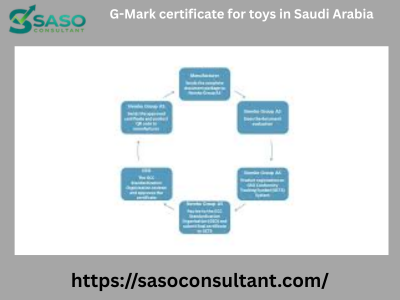
Expanding your product business into Saudi Arabia requires strict compliance with regulatory standards, especially when it comes to safety-sensitive products like toys and electrical equipment. One of the most critical certifications for entering the Saudi market is the G-Mark certificate for toys in Saudi Arabia. This certification ensures that products meet the Gulf Conformity standards,...
Oddway International stands among trusted pharmaceutical suppliers in Singapore because the company provides healthcare providers with safe and affordable access to medicines. Our company operates as experienced pharmaceutical suppliers in Singapore who deliver verified products through compliant operations and efficient international shipping services. We work closely with pharma distributors...

The European movie landscape is undergoing a fascinating transformation. As we look toward the next decade, the industry is not merely surviving the digital shift; it is evolving by embracing premium experiences, leveraging robust cultural support, and integrating innovative technology. According to recent insights, the Europe movie market is expected to grow steadily, rising from a value of...

According to a new report from Intel Market Research, the global Industrial Grade 1,6-Hexanediamine (HMD) Market was valued at USD 7.59 billion in 2024 and is projected to grow from USD 8.01 billion in 2025 to USD 11.26 billion by 2032, exhibiting a robust CAGR of 5.4% during the forecast period. Growth is driven by expanding demand from automotive and textile sectors, where nylon 6,6's...

Luxury travel in 2026 is no longer just about reaching a destination—it is about the experience, reliability, and comfort along the way. Among the many transportation options available today, Limo.Black has positioned itself as a premium choice for travelers who value professionalism, elegance, and efficiency. Whether for corporate travel, special events, or airport transfers, the service...