


Best International Freight Services for Small Businesses
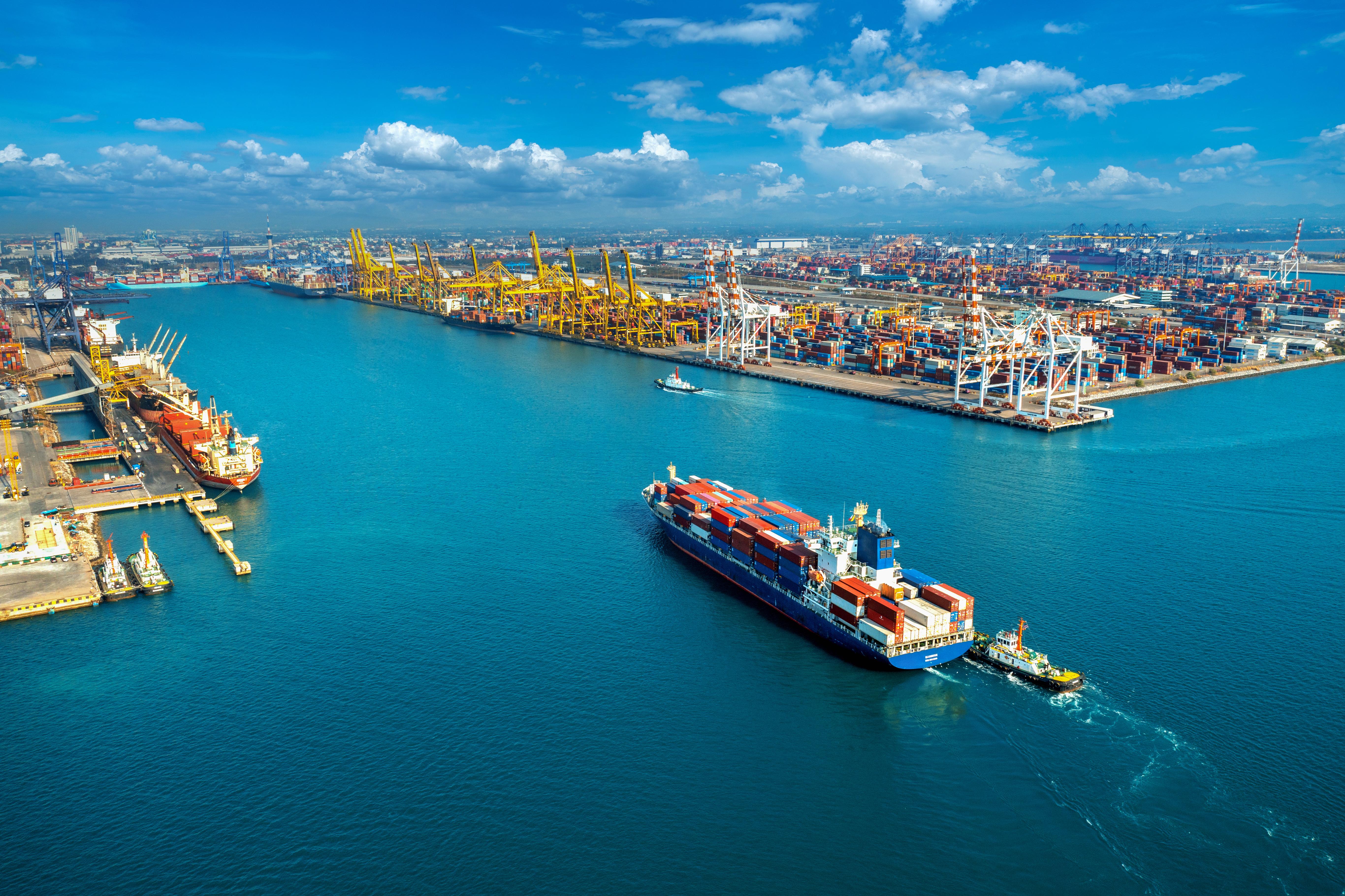
Shipping goods across borders used to be an enterprise-only game of complex paperwork, opaque pricing and relationships only mega-corporations could afford. That era is over. Today's international freight services are designed for businesses of every size, with digital platforms, instant quoting and end-to-end customs support making global trade genuinely accessible to small businesses.
Most small businesses overpay for international shipping not because freight is expensive, but because they don’t know how the system actually works.
That’s exactly what Shipper Secrets is built for
Shipper Secrets breaks down the real strategies behind global freight pricing, carrier selection, customs handling and cost optimization so small businesses can ship like large enterprises without the enterprise budget.
Whether you're an eCommerce seller sourcing products from Asia, a manufacturer exporting to Europe, or a retailer expanding into new markets, selecting the right international logistics service is one of the most strategic decisions you'll make. Get it wrong and you face delays, hidden costs and damaged goods. Get it right and you gain a competitive edge reliably delivering to customers worldwide while protecting your margins.
This guide cuts through the noise. We've researched and compared the leading freight services of 2026 specifically through the lens of small business needs: budget constraints, lower volumes, limited in-house logistics teams and the need for genuine support when things go sideways.
Why International Freight Services Matter for Small Businesses
International freight services do far more than physically move cargo from Point A to Point B. A qualified freight forwarder acts as your logistics department negotiating carrier rates, managing customs compliance, handling documentation, coordinating multiple transport modes and ensuring your goods arrive safely and on time.
For small businesses, the stakes are particularly high. Unlike large corporations that can absorb a customs delay or rate spike, a small business shipping a single container to a new market may have its entire quarterly revenue riding on that shipment. The right international logistics service provides:
Cost efficiency - Access to carrier rates you couldn't negotiate alone, plus consolidation options like LCL that let you pay only for the space you use
Customs expertise - Proper HS code classification, duty calculation and documentation that keeps you compliant and avoids costly delays
Risk management - Cargo insurance, shipment tracking and contingency planning for disruptions
Time savings - Logistics is a full-time job; outsourcing it lets you focus on your core business
Scalability - A good freight partner grows with you, handling increased volumes without friction
Technology access - Real-time tracking, digital documentation and instant quoting platforms once reserved for enterprise shippers
Start Shipping Smarter Today
Instead of guessing your way through international logistics, learn the system first.
Visit: https://shippersecrets.com/services/
and unlock the strategies that help you ship globally with confidence, clarity and lower costs.
Types of International Freight Services
Understanding the main modes of international shipping helps you match your cargo and budget to the right solution.
Ocean Freight (Sea Shipping): Ocean freight is the backbone of global trade and the most cost-effective option for heavy or bulky shipments. It splits into two primary options:
-
FCL (Full Container Load) : You book an entire container (20ft or 40ft). Best for large shipments where you can fill most of the container. Offers more control and typically faster turnaround at destination.
-
LCL (Less than Container Load) : Your cargo shares a container with other shippers. You pay only for the cubic meters or weight your goods occupy. This is the go-to for small businesses shipping lower volumes internationally, making ocean freight economically viable without waiting to fill a full container.
Air Freight: Air freight is significantly faster than ocean shipping but costs considerably more per kilogram. It's ideal for high-value goods, perishables, urgent orders, or time-sensitive product launches. Most major international logistics providers offer air freight as part of their multimodal portfolio.
Rail Freight: Rail is a growing option, particularly for trade between Europe and Asia (the China-Europe rail corridors). It's faster than the ocean and cheaper than air, positioning it as a strong middle-ground for businesses trading on these specific routes.
Road / Overland Freight: Cross-border road freight is essential for regional trade within Europe, North America (USMCA routes), or Southeast Asia. Often used as the final leg of a multimodal journey.
How to Choose the Right International Logistics Service
No single international freight service is perfect for every business. The right choice depends on your specific trade lanes, cargo characteristics, shipment frequency and budget. Here is a structured framework for making your decision:
1. Define Your Shipping Profile
Start with the basics: What are you shipping? Where from and to? How frequently? What is the weight and volume per shipment? High-value, time-sensitive goods point toward air freight. Regular, bulky shipments point toward ocean LCL or FCL. This profile immediately narrows your options.
2. Validate Route & Lane Expertise
Ask any potential provider for recent on-lane performance metrics or references for your specific trade routes. A forwarder with deep expertise on your lane, say, China to India or Mexico to Germany brings carrier relationships, customs knowledge and route optimization that a generalist cannot match.
3. Assess Technology & Visibility
Modern international logistics services should offer real-time shipment tracking, digital documentation and online quoting. If a provider cannot show you where your goods are at any moment, that is a red flag. For small businesses without dedicated logistics staff, self-service digital tools are essential.
4. Evaluate Customs Compliance Capability
Customs clearance errors are the #1 cause of international shipping delays. Verify that your provider has in-house licensed customs brokers or strong brokerage partnerships for your destination markets. Ask specifically about their experience with your product category and any applicable trade agreements (like USMCA or EU FTAs).
5. Get Itemized Quotes - Not Just Headline Rates
Always request a fully itemized quote that breaks down ocean/air freight charges, origin charges, destination charges, customs brokerage fees, documentation fees, insurance and any surcharges. Headline rates can be misleading; landed cost is what actually matters to your bottom line.
6. Test Customer Support Before Committing
Call or message the support team with a specific question before signing any contract. How quickly do they respond? Do they give a knowledgeable answer? For small businesses without in-house logistics expertise, responsive and knowledgeable support is not a nice-to-have, it is essential.
Cost-Saving Tips for Small Business International Shippers
7 Ways to Reduce International Freight Costs
-
Use LCL ocean freight: for smaller volumes rather than defaulting to air. Ocean freight can be 12–15x cheaper per kilogram and is often faster than businesses expect for non-urgent cargo.
-
Book early and lock rates: Many digital platforms allow you to lock ocean freight rates 14–45 days in advance, protecting you from rate volatility.
-
Optimize your packaging: Dimensional weight (volumetric weight) pricing means loose, oversized packaging inflates costs. Work with your supplier to tighten packaging.
-
Consolidate shipments: Instead of shipping small quantities frequently, consolidate into larger, less frequent shipments to qualify for better rates and reduce per-unit logistics costs.
-
Leverage trade agreements: If you're shipping between countries with active FTAs (like USMCA, EU-UK TCA, or India-UAE CEPA), ensure your goods qualify for reduced or zero tariffs — this requires correct HS code classification and certificates of origin.
-
Compare multiple providers: Use digital freight platforms to get competing quotes. Rate differences between forwarders on the same lane can be significant, especially for LCL shipments.
-
Invest in cargo insurance: It seems counterintuitive to spend more, but uninsured cargo losses can be catastrophic for a small business. Cargo insurance is one of the best-value protections in international logistics.
Frequently Asked Questions (FAQs)
1. What are international freight services for small businesses?
International freight services help businesses ship goods across countries by managing transportation, customs clearance, documentation and delivery through air, sea, rail, or road.
2. Which is the most cost-effective international shipping method?
Ocean freight (especially LCL – Less than Container Load) is usually the most affordable option, often 12–15× cheaper than air freight, making it ideal for small businesses.
3. Is air freight better than sea freight?
Air freight is faster but more expensive, making it suitable for urgent, high-value, or lightweight shipments. Sea freight is better for bulk and cost-sensitive cargo.
4. How do small businesses choose the right freight forwarder?
They should evaluate pricing transparency, customs expertise, tracking technology, route experience and customer support responsiveness before selecting a provider.
5. What documents are required for international shipping?
Common documents include the commercial invoice, packing list, bill of lading/airway bill, HS code classification and certificate of origin (if applicable).
Conclusion
International freight services have transformed global trade, making it easier than ever for small businesses to compete in international markets. With digital platforms, transparent pricing and end-to-end logistics support, businesses no longer need to rely on large-scale operations to expand globally.
Choosing the right freight partner is not just about shipping—it’s about building reliability, protecting profit margins and ensuring consistent delivery performance. Whether you use air freight for speed or ocean freight for cost efficiency, the right logistics strategy can directly influence your business growth.
For small businesses in 2026, success in global trade depends on one key factor: selecting a freight service that balances cost, speed and operational support while scaling with your growth.
Catégories
Lire la suite
সমাজের প্রতিটি মানুষ সমান নয়—কেউ শারীরিকভাবে সক্ষম, আবার কেউ কিছু সীমাবদ্ধতা নিয়ে জীবনযাপন করেন। এই সীমাবদ্ধতাকেই আমরা প্রতিবন্ধকতা বা প্রতিবন্ধিতা বলি। প্রতিবন্ধী কত প্রকার —এই প্রশ্নটি অনেকের মনে আসে, বিশেষ করে শিক্ষার্থীদের ক্ষেত্রে। প্রতিবন্ধিতার বিভিন্ন ধরন সম্পর্কে সঠিক ধারণা থাকলে আমরা তাদের প্রতি আরও সহানুভূতিশীল হতে পারি এবং সমাজকে আরও অন্তর্ভুক্তিমূলক করে তুলতে পারি।...

The Cell therapy bioprocessing is a vital component of next generation medicine that uses living cells to repair or replace damaged tissues. Advanced manufacturing platforms help ensure purity, safety, and effectiveness of cell based therapies. Cell Therapy Bioprocessing Market Analysis The Cell therapy bioprocessing Market is becoming a crucial component of the rapidly advancing...

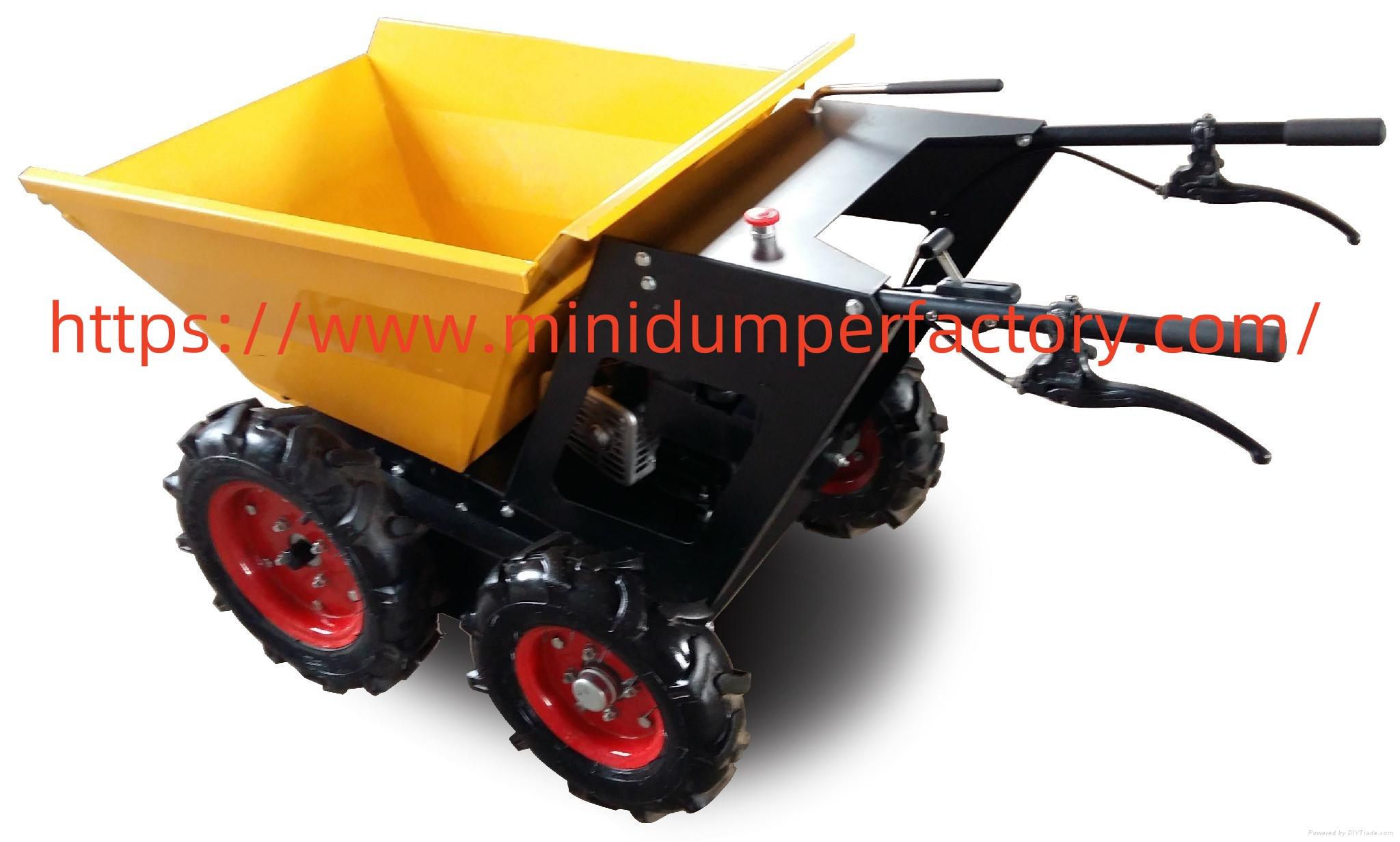
In construction and agriculture, choosing the right Mini Dumper Supplier can be the difference between a smooth operation and constant delays. As job sites become more specialized and workspaces more compact, there is growing demand for agile, efficient hauling tools that are easy to maneuver, even on uneven terrain. Mini dumpers fit this niche perfectly, offering powerful transport solutions...
Getting started with mining sounds simple at first buy a machine, plug it in, and let it run. But once you get into the details, it quickly becomes clear that there’s a lot more involved. Power setup, cooling, uptime, and maintenance all play a role in whether you actually make money or not. This is where a turnkey bitcoin mining service makes a difference. Instead of managing everything...
ブロックチェーン技術が変えるゲーム業界の仕組み インターネット技術の進化とともに、オンライン上のエンターテインメント業界は日々大きな変化を遂げています。特に金融の仕組みと融合した新しいプラットフォームでは、従来の法定通貨にとらわれない自由度の高い取引が可能になっています。透明性の高い分散型台帳技術のおかげで、運営側による不正やデータの改ざんが困難な仕組みが構築されており、プレイヤーはより公平な環境でゲームに向き合うことができるようになりました。このような技術革新が、世界中のユーザーに安心感をもたらしています。 手数料削減とスムーズな資産管理のメリット...
