Cortisol Blood Test for Addison’s Disease Detection
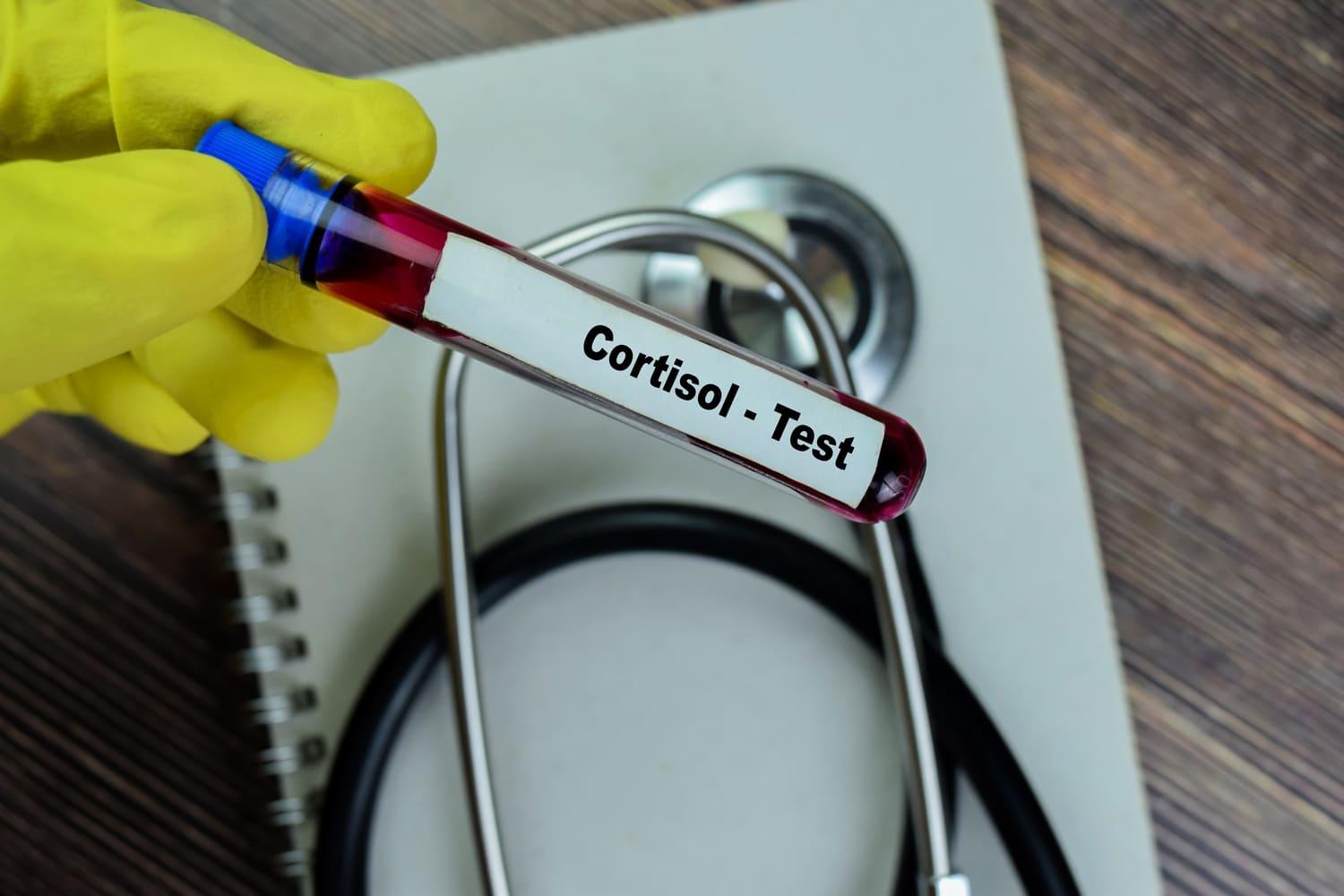
Addison’s disease is a rare but serious hormonal disorder that occurs when the adrenal glands fail to produce enough cortisol and, in many cases, aldosterone. Since Cortisol Blood Test Dubai is essential for maintaining energy, blood pressure, immune balance, and the body’s stress response, even a small deficiency can significantly affect overall health.
One of the most important tools used in detecting this condition is the cortisol blood test. It helps evaluate whether cortisol levels are abnormally low and whether further endocrine testing is needed to confirm adrenal insufficiency.
Understanding Addison’s Disease and Adrenal Insufficiency:
Addison’s disease is a form of primary adrenal insufficiency, meaning the adrenal glands themselves are damaged and cannot produce adequate hormones.
The adrenal glands normally produce:
- Cortisol for stress response and metabolism
- Aldosterone for blood pressure and sodium balance
- Androgens for hormonal support
In Addison’s disease, cortisol production drops significantly, disrupting multiple body systems. This hormonal deficiency develops gradually in most cases, making early detection challenging without laboratory testing.
Role of Cortisol Blood Test in Addison’s Disease Diagnosis:
The cortisol blood test is one of the first diagnostic tools used when Addison’s disease is suspected. It measures the level of cortisol in the bloodstream at a specific time, usually in the morning when cortisol should be at its highest.
Doctors use this test to:
- Identify low cortisol production
- Evaluate adrenal gland function
- Support diagnosis of adrenal insufficiency
- Guide further endocrine testing
A significantly low cortisol level is a key warning sign that the adrenal glands may not be functioning properly.
Why Morning Cortisol Levels Are Critical?
Cortisol follows a natural daily rhythm controlled by the hypothalamic-pituitary-adrenal (HPA) axis.
In healthy individuals:
- Cortisol peaks in the early morning
- Gradually declines throughout the day
- Reaches its lowest level at night
In Addison’s disease:
- Morning cortisol is often abnormally low
- The normal daily rhythm is disrupted
- The body struggles to respond to stress appropriately
This is why morning cortisol blood tests are especially important in initial screening.
Symptoms That May Indicate Addison’s Disease:
Doctors often recommend cortisol testing when symptoms suggest adrenal insufficiency.
Common symptoms include:
- Chronic fatigue and weakness
- Unexplained weight loss
- Low blood pressure and dizziness
- Darkening of the skin (hyperpigmentation)
- Salt cravings
- Nausea, vomiting, or abdominal pain
- Mood changes or depression
- Muscle weakness and low energy
Because these symptoms develop slowly, they are often mistaken for other conditions, making cortisol testing essential for accurate diagnosis.
How the Cortisol Blood Test Is Performed?
The test involves a simple blood sample taken from a vein, usually in the arm. The sample is then analyzed in a laboratory to measure cortisol concentration.
In suspected Addison’s disease cases, doctors may:
- Take a morning blood sample for baseline cortisol
- Repeat testing if results are unclear
- Compare results with other hormone levels
Since cortisol levels vary throughout the day, timing is carefully controlled to ensure accuracy.
Interpreting Low Cortisol Levels in Addison’s Disease:
Low cortisol levels are the primary indicator of Addison’s disease. However, interpretation must consider clinical context and additional hormone tests.
Significantly low cortisol:
A very low morning cortisol level strongly suggests adrenal insufficiency. This may indicate:
- Primary adrenal failure (Addison’s disease)
- Pituitary dysfunction affecting ACTH production
- Severe suppression of the HPA axis
Borderline cortisol levels:
Mildly reduced cortisol levels require further testing because they may be influenced by:
- Stress or illness
- Medication use
- Temporary hormonal fluctuations
Loss of stress response:
In Addison’s disease, the body cannot increase cortisol production during stress, illness, or injury. This impaired response is a key diagnostic feature.
Why a Single Cortisol Test Is Not Enough?
Although the cortisol blood test is an important first step, it is not sufficient on its own to confirm Addison’s disease.
This is because cortisol levels can be affected by:
- Time of day
- Acute stress or illness
- Medications such as steroids
- Sleep patterns
For this reason, doctors use additional tests to confirm diagnosis.
Additional Tests for Addison’s Disease Detection:
To accurately diagnose adrenal insufficiency, several other tests are commonly used alongside cortisol blood testing.
ACTH stimulation test:
This is the most important confirmatory test. It evaluates how the adrenal glands respond when stimulated by synthetic ACTH hormone.
In Addison’s disease:
- Cortisol does not rise adequately after stimulation
- Adrenal glands show poor or no response
ACTH blood test:
This measures levels of adrenocorticotropic hormone in the blood.
- High ACTH with low cortisol suggests primary adrenal failure
- Low ACTH with low cortisol suggests pituitary-related insufficiency
Electrolyte testing:
Addison’s disease often affects sodium and potassium balance.
Common findings include:
- Low sodium levels
- High potassium levels
Renin and aldosterone testing:
These help evaluate mineral balance and confirm adrenal dysfunction.
Causes of Addison’s Disease:
Addison’s disease can develop due to several underlying causes.
Autoimmune adrenal destruction:
The most common cause, where the immune system mistakenly attacks adrenal tissue.
Infections:
Conditions such as tuberculosis can damage the adrenal glands.
Genetic conditions:
Some inherited disorders affect adrenal hormone production.
Adrenal hemorrhage or injury:
Bleeding or trauma to the adrenal glands can reduce hormone output.
Cancer or metastatic disease:
Rarely, tumors can damage adrenal function.
Risks and Limitations of Cortisol Blood Testing:
While the cortisol blood test is essential, it has limitations in diagnosing Addison’s disease.
Fluctuating hormone levels:
Cortisol changes throughout the day, making single measurements less reliable.
Stress-related variations:
Emotional or physical stress may temporarily alter results.
Medication interference:
Steroids and other drugs can suppress cortisol production.
Need for confirmatory testing:
A blood test alone cannot confirm Addison’s disease without additional hormonal evaluation.
Importance of Early Detection:
Addison’s disease can become life-threatening if untreated, especially during periods of physical stress or illness.
Early diagnosis helps prevent:
- Adrenal crisis (a medical emergency)
- Severe dehydration and low blood pressure
- Electrolyte imbalance
- Shock or organ complications
Cortisol blood testing plays a key role in identifying the condition before it progresses.
How Doctors Interpret Cortisol Results in Context?
Doctors do not rely on cortisol numbers alone. Instead, they evaluate:
- Symptoms and physical signs
- Timing of cortisol measurement
- ACTH levels and response tests
- Electrolyte balance
- Patient medical history
This comprehensive approach ensures accurate diagnosis and avoids misinterpretation.
Living with Addison’s Disease After Diagnosis:
Once diagnosed, Addison’s disease is managed with hormone replacement therapy. Patients typically receive:
- Cortisol replacement medication (hydrocortisone or equivalent)
- Aldosterone replacement if needed
- Adjusted doses during stress or illness
Regular monitoring through blood tests helps ensure hormone levels remain balanced.
Final Thoughts:
The cortisol blood Lab tests is a crucial first step in detecting Addison’s disease, a condition where the adrenal glands fail to produce sufficient cortisol. By identifying low hormone levels early, doctors can initiate further testing and confirm whether adrenal insufficiency is present.
However, diagnosis requires more than a single test. A combination of cortisol measurements, ACTH stimulation testing, and electrolyte analysis is essential for accurate results.
When interpreted correctly, cortisol blood testing provides valuable insight into adrenal function and plays a key role in preventing serious complications associated with untreated Addison’s disease.
Categorieën
Read More
Are you facing issues with your air conditioner in Jule Solapur? Whether your AC is not cooling properly, making unusual noises, leaking water, or consuming excessive electricity, professional AC repair services can restore its performance quickly. With the rising temperatures in Solapur, a well-functioning air conditioner is essential for maintaining comfort at your home or office. Many AC...

Introduction The disposable vape market has grown rapidly over the years, introducing devices with larger batteries, higher puff counts, and advanced features. Despite the arrival of high-capacity disposables, many vapers continue to appreciate simple and reliable devices that deliver a satisfying experience without unnecessary complexity. One such device is the Mr Fog Max 1000 Puffs. Known for...

オンラインカジノの人気が高まる中で、多くのプレイヤーが最初に注目する特典が「オンカジ 入金不要ボーナス」です。オンラインカジノを始めたいと思っていても、「本当に安全なのか」「ゲームは面白いのか」「いきなりお金を使うのは不安」と感じる人は少なくありません。そのような不安を解消するために提供されているのが、入金をせずにプレイできる入金不要ボーナスです。このボーナスは、リスクを負うことなく実際のオンラインカジノ環境を体験できる点が大きな魅力となっています。本記事では、オンカジ 入金不要ボーナスの基本的な仕組み、種類、メリット、注意点、そして賢く活用するための戦略までを詳しく解説します。初心者はもちろん、すでにオンラインカジノを利用しているプレイヤーにとっても理解を深められる内容となっています。 オンカジ 入金不要ボーナスとは何か オンカジ...
Discover a world of limitless entertainment and digital experiences with iTunes UAE Gift Cards. These cards serve as your gateway to the vibrant Apple ecosystem, granting you access to an extensive array of content at your fingertips. From the latest blockbuster movies and hit songs to innovative applications, everything you desire is just a redemption away. They make thoughtful gifts for...
Polaris Market Research has published a brand-new report titled Baby Bassinets Market Share, Size, Trends, Industry Analysis Report, By Type (In-bed, Bedside); By Portability; By Materials; By Baby Age; By Price, By Distribution Channel; By Region; Segment Forecast, 2023- 2032 that includes extensive information and analysis of the industry dynamics. The opportunities and challenges...