Construction Debris Disposal: Efficient, Compliant Strategies for Jobsites
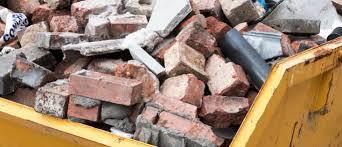
You face tight schedules, strict regulations, and shrinking budgets on every project, so efficient Construction Debris Disposal isn’t optional — it’s essential to staying on time and on budget. Choosing the right mix of on-site sorting, recycling, and licensed disposal services helps reduce landfill waste, improve safety, and maintain compliance with local regulations while keeping projects moving smoothly.This guide shows practical best practices for managing mixed materials, highlights legal and environmental requirements you must meet, and points to reliable options that make Construction Debris Disposal faster, safer, and less risky. Use these steps to protect your project timeline, control operational costs, improve recycling efforts, and support long-term sustainability goals on every construction site.
Best Practices for Managing Construction Waste
You should plan waste handling before mobilizing equipment, assign clear responsibilities, and set measurable diversion targets. Prioritize on-site separation, identify recyclable streams, and designate secure storage for hazardous items.
Sorting and Separating Materials
Set up designated collection points with clearly labeled containers for wood, metal, concrete, gypsum, cardboard, and general trash. Use color-coded bins or signage so crews sort material at the source, which reduces contamination and lowers downstream processing costs.Train crews on common contamination issues—painted or treated wood cannot go with clean lumber, and gypsum mixed with other wastes reduces recyclability. Inspect loads before they leave the site and keep a small inspection area where supervisors can quickly remove contaminants.Use daily or weekly audits to track tonnage by stream. Record weights or volumes for each bin and review diversion rates weekly to identify problem streams and adjust sorting procedures.
Recycling and Reuse Opportunities
Identify high-value recyclable streams first: metal, clean concrete/aggregate, and palletized wood. Contract with local recyclers who accept mixed loads only if you can meet their contamination limits; otherwise separate materials to get better rates.Reuse opportunities reduce purchasing needs. Salvage doors, fixtures, and undamaged lumber for on-site reuse or resale through building-material exchanges. Break out concrete on-site with jackhammers or crushers for use as road base or fill.Document recycled and reused quantities for both cost tracking and regulatory compliance. Include removal manifests from recycling vendors and receipts for materials sold or donated to prove diversion and recover value.
Safe Handling and Storage
Keep hazardous wastes—like asbestos, lead-based paint chips, solvents, and certain adhesives—in lockable, labeled containers away from general debris. Follow local regulations for container type, secondary containment, and time limits for on-site storage.Store combustible materials (oily rags, flammables) in approved metal cabinets and maintain clear aisles to reduce fire risk. Stack inert materials like brick and block on pallets and use banding or strapping to prevent collapse during handling.Provide PPE and training for crews handling dusty or hazardous streams: N95/respirators for silica dust, gloves for sharp metal, and eye protection for cutting operations. Maintain Material Safety Data Sheets (MSDS) and emergency procedures accessible at the site office.
Legal and Environmental Considerations
You must follow specific laws, reduce harmful emissions and runoff, and use permitted disposal or recycling facilities. Noncompliance can lead to fines, stop-work orders, and increased cleanup costs.
Local Regulations and Compliance
You need to know the statutes that apply at municipal, county, and state levels for your job site. Check local solid-waste and building codes, plus any regional landfill bans on materials like concrete, clean wood, or certain plastics.Keep a written Waste Management Plan on site that documents segregation, storage, transport, and final disposition of materials. Maintain manifests, weight tickets, and receipts to prove chain of custody and demonstrate compliance during inspections.Assign a site manager responsible for training crews on handling hazardous items (e.g., asbestos, lead paint, contaminated soil) and for ensuring subcontractors use licensed haulers. Failure to comply can trigger fines, project delays, or legal liability for improper disposal.
Environmental Impact and Mitigation
You must minimize air, water, and soil impacts from construction debris. Control dust with wetting, covers, and wheel-wash stations; prevent sediment-laden runoff with silt fences and stabilized exits; and store materials under cover to limit leachate.Prioritize reuse and recycling: concrete, brick, metal, and clean wood often qualify for diversion and reduce the need for virgin aggregates. Identify on-site separation points and label containers so crews can sort efficiently and reduce disposal costs.Manage hazardous fractions separately. Use certified contractors for asbestos abatement, follow lead-handling protocols, and sample suspect soils before off-site transport. Document mitigation measures in your project records to demonstrate due diligence.
Permits and Approved Disposal Sites
You must verify permit requirements before hauling waste off site. Some jurisdictions require transfer-station permits, special transport manifests for hazardous waste, or notifications for large-volume disposals.Only send debris to facilities authorized to accept the specific material type. Use licensed landfills, construction & demolition (C&D) recycling centers, or approved beneficial-use projects (e.g., crushed concrete for roadbase). Obtain and keep facility receipts and weight tickets.Confirm facility acceptance rules—many sites reject mixed loads or require prior batching. When in doubt, call the facility and get written acceptance to avoid return trips, cross-contamination, or regulatory violations.
الأقسام
إقرأ المزيد
According to the latest report published by Data Bridge Market Research, the Chin Augmentation Injectable Fillers Market The global chin augmentation injectable fillers market size was valued at USD 307.90 million in 2025 and is expected to reach USD 590.92 million by 2033, at a CAGR of 8.49% during the forecast period An influential Chin...

Introduction Choosing the right gynecologist is an important decision for women at every stage of life. From menstrual concerns and hormonal changes to pregnancy planning and reproductive health, professional guidance can make healthcare decisions easier and more informed. The best gynecologist in Goa can help women understand their symptoms, explore suitable treatment options, and receive care...

The First Aid Market is undergoing significant transformation as digital distribution channels expand, emerging markets accelerate adoption, and digital health technologies integrate with traditional first aid products. The convergence of e-commerce, mobile health applications, and smart device connectivity is reshaping how consumers access, learn about, and use first aid solutions. This...
Dalam perkembangan dunia digital yang semakin pesat, berbagai jenis hiburan berbasis online kini semakin mudah diakses oleh siapa saja. Salah satu yang paling populer adalah slot online, yang sering dikaitkan dengan istilah seperti slot gacor, slot asia, dan bandar slot gacor. Banyak pengguna tertarik dengan permainan ini karena tampilannya yang menarik, sistem...

Looking for a professional interior designer in Delhi who can bring style, functionality, and elegance to your space? From modern apartments to luxury homes and commercial spaces, expert designers in Delhi focus on creating personalized interiors that reflect your lifestyle and taste. With innovative layouts, premium materials, and smart space planning, you can achieve a perfect balance between...