


Can You Live Normally With Bipolar Disorder Medication? Real Expectations and Recovery Tips
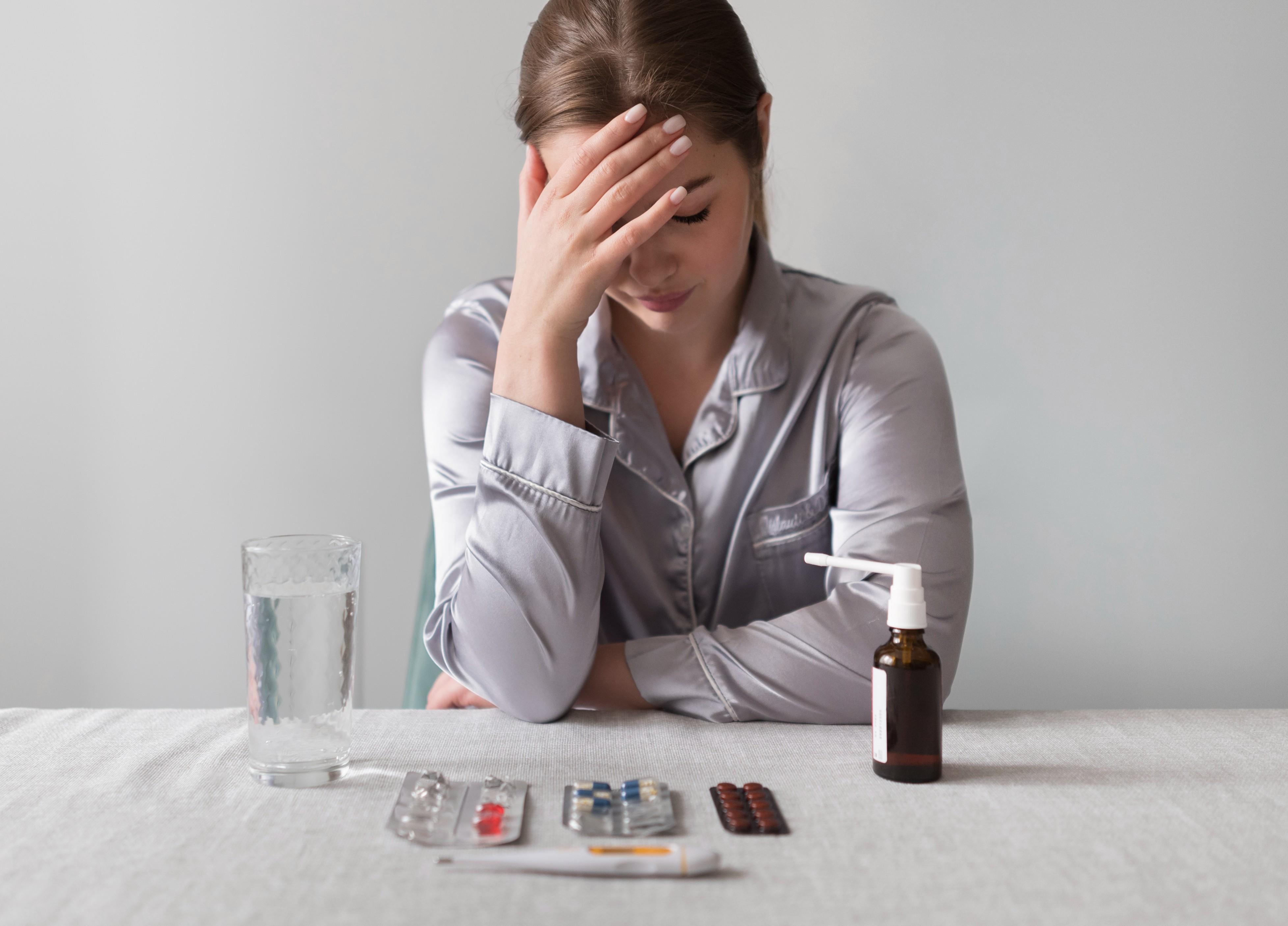
Many people diagnosed with bipolar disorder wonder whether life will ever feel “normal” again. Questions about relationships, work, emotional stability, sleep, and long-term happiness often create anxiety after diagnosis. One of the biggest concerns involves whether bipolar disorder medication can truly help someone regain balance and enjoy a fulfilling life.
Living with bipolar disorder does not mean a person cannot pursue goals, maintain relationships, or build a successful future. While the condition can create emotional challenges, many individuals achieve long-term stability through treatment, therapy, healthy routines, and emotional support.
Medication often plays a major role in symptom management because bipolar disorder involves significant shifts in mood and energy levels. However, recovery usually requires realistic expectations rather than expecting instant or perfect results.
This guide explores what daily life may look like while taking bipolar disorder medication, realistic recovery expectations, common challenges, emotional adjustments, and practical tips for improving long-term mental wellness.
Understanding Bipolar Disorder
Bipolar disorder is a mental health condition involving dramatic changes in mood, thinking, behavior, and energy levels.
Individuals may experience episodes of:
- Mania
- Hypomania
- Depression
Manic Symptoms
During manic episodes, people may experience:
- Elevated mood
- Increased energy
- Reduced need for sleep
- Racing thoughts
- Impulsive behavior
- Excessive confidence
Depressive Symptoms
Depressive episodes may include:
- Sadness
- Fatigue
- Low motivation
- Difficulty concentrating
- Sleep problems
- Feelings of hopelessness
These emotional changes can interfere with daily life if left untreated.
Can People With Bipolar Disorder Live Normal Lives?
Many individuals with bipolar disorder successfully maintain careers, relationships, education, and family life.
Recovery does not necessarily mean symptoms disappear completely. Instead, it often means learning how to:
- Manage emotional triggers
- Maintain routines
- Recognize warning signs
- Follow treatment plans
- Build emotional stability
With proper support, many people lead productive and meaningful lives.
The Role of Bipolar Disorder Medication in Daily Life
Medication helps reduce the intensity and frequency of mood episodes.
The goals of treatment often include:
- Stabilizing mood swings
- Improving emotional regulation
- Supporting healthy sleep
- Reducing impulsive behavior
- Preventing relapse
- Improving concentration
For many individuals, bipolar disorder medication becomes an important part of maintaining emotional balance.
What “Normal” May Actually Look Like
One of the biggest misconceptions about bipolar disorder recovery is the belief that treatment creates perfect emotional stability.
In reality, recovery often means:
- Fewer severe mood swings
- Better emotional awareness
- Improved daily functioning
- Healthier relationships
- More consistent routines
- Reduced emotional chaos
People may still experience stress, sadness, or emotional changes like anyone else, but symptoms often become more manageable.
Early Challenges During Treatment
The beginning of treatment can feel emotionally and physically overwhelming.
Many individuals experience:
- Medication adjustments
- Side effects
- Emotional uncertainty
- Fear about the future
- Frustration with slow progress
This adjustment period is common and often improves over time.
Common Emotional Concerns About Medication
Some people fear medication will change their personality or prevent them from feeling emotions naturally.
Fear of Emotional Numbness
Certain individuals worry about feeling emotionally “flat.”
However, proper treatment aims to reduce extreme mood swings rather than eliminate personality or emotions.
Fear of Dependency
People sometimes believe medication creates emotional dependence.
In reality, bipolar disorder treatment is designed to support brain stability rather than create addiction.
Fear of Judgment
Mental health stigma can make individuals feel embarrassed about treatment.
Open conversations and education may help reduce shame and improve confidence.
How Medication May Improve Daily Life
Although treatment takes time, many individuals notice gradual improvements in several areas.
Better Sleep Patterns
Stable sleep is important because poor sleep can trigger mood episodes.
Many people experience:
- Improved sleep quality
- More consistent sleep schedules
- Reduced nighttime restlessness
Improved Relationships
Mood stability may help reduce:
- Impulsive arguments
- Emotional unpredictability
- Irritability
- Social withdrawal
Healthier emotional regulation often improves communication.
Better Work and Academic Performance
When symptoms become more manageable, individuals may experience:
- Improved concentration
- Better productivity
- Increased consistency
- Reduced emotional disruption
Reduced Risky Behavior
Treatment may help reduce impulsive spending, reckless decisions, or risky actions associated with manic episodes.
Why Recovery Takes Time
Recovery from bipolar disorder is usually gradual rather than immediate.
Several factors influence progress, including:
- Medication effectiveness
- Consistency with treatment
- Sleep habits
- Therapy participation
- Stress levels
- Support systems
Some individuals improve quickly, while others require multiple treatment adjustments.
Patience is extremely important during recovery.
Common Side Effects That Affect Daily Life
Like many medical treatments, bipolar disorder medication can cause side effects.
Common examples may include:
- Fatigue
- Weight changes
- Dry mouth
- Increased thirst
- Brain fog
- Sleepiness
Not everyone experiences these symptoms, and many improve over time.
Managing Fatigue and Low Energy
Fatigue is one of the most common treatment complaints.
Helpful strategies may include:
- Regular exercise
- Morning sunlight exposure
- Consistent sleep routines
- Staying hydrated
- Balanced nutrition
If fatigue becomes severe, treatment adjustments may help.
Managing Weight Changes
Weight gain can affect confidence and treatment consistency.
Helpful habits may include:
- Portion control
- Regular physical activity
- Nutrient-rich meals
- Reducing processed foods
- Monitoring emotional eating
Small lifestyle improvements can support physical wellness.
The Importance of Routine
Daily structure often plays a major role in bipolar disorder management.
Healthy routines may include:
- Consistent sleep schedules
- Regular meals
- Exercise habits
- Therapy appointments
- Stress management
Routine helps reduce emotional instability and improve predictability.
Therapy and Emotional Support
Medication is often most effective when combined with therapy.
Therapy may help individuals:
- Understand emotional triggers
- Build coping skills
- Reduce stress
- Improve communication
- Develop healthier habits
Supportive relationships can also strengthen recovery.
Lifestyle Habits That Support Recovery
Sleep Hygiene
Sleep disruption can worsen mood instability.
Helpful sleep habits may include:
- Going to bed at consistent times
- Limiting caffeine at night
- Reducing screen exposure before sleep
Exercise
Physical activity may improve:
- Mood
- Energy levels
- Stress management
- Sleep quality
Nutrition
Balanced meals may support brain health and emotional wellness.
Stress Reduction
Helpful stress management techniques may include:
- Meditation
- Deep breathing
- Yoga
- Journaling
- Structured routines
Warning Signs of Emotional Relapse
Recognizing early symptoms may help prevent severe episodes.
Possible warning signs include:
- Sleep disruption
- Increased irritability
- Racing thoughts
- Social withdrawal
- Sudden mood changes
- Increased impulsivity
Early intervention can reduce symptom severity.
Why Some People Stop Medication
Many individuals struggle with long-term treatment consistency.
Common reasons include:
- Feeling better
- Side effects
- Emotional frustration
- Mental health stigma
- Forgetfulness
However, stopping medication suddenly may increase relapse risk.
Consistency often improves long-term emotional stability.
Myths About Bipolar Disorder Recovery
Myth 1: People With Bipolar Disorder Cannot Live Normal Lives
Many individuals successfully maintain careers, relationships, and goals.
Myth 2: Medication Changes Personality
Treatment aims to stabilize emotions rather than erase identity.
Myth 3: Recovery Happens Quickly
Long-term stability usually requires patience and consistent care.
Myth 4: Medication Alone Solves Everything
Healthy habits, therapy, and emotional support are also important.
Long-Term Outlook
Many individuals living with bipolar disorder eventually learn how to manage symptoms effectively and maintain fulfilling lives.
Successful recovery often includes:
- Medication consistency
- Healthy routines
- Emotional awareness
- Therapy
- Support systems
- Stress management
For many people, bipolar disorder medication becomes one part of a broader long-term wellness strategy.
FAQs
Can people with bipolar disorder live normal lives?
Many individuals successfully manage symptoms and maintain careers, relationships, and daily responsibilities.
Does bipolar medication completely remove mood swings?
Medication may reduce the severity and frequency of mood episodes but ongoing management is usually necessary.
How long does bipolar treatment take?
Treatment is often long term because bipolar disorder is typically a lifelong condition.
Can therapy help alongside medication?
Therapy often improves coping skills and emotional stability.
Is it normal to feel frustrated during treatment?
Many individuals experience emotional frustration during early recovery and medication adjustments.
What lifestyle habits help bipolar recovery?
Healthy sleep, exercise, nutrition, stress management, and routine stability may support emotional wellness.
Conclusion
Living with bipolar disorder can present emotional challenges, but treatment and support can make long-term stability possible. Recovery often involves learning how to manage symptoms, maintain healthy routines, and build emotional awareness rather than expecting perfection.
While the treatment process may take time, many individuals experience meaningful improvements in relationships, productivity, sleep, and overall quality of life.
For many people, bipolar disorder medication plays an important role in reducing severe mood swings, improving emotional balance, and supporting a healthier, more stable future.
Categorieën
Read More
"Detailed Analysis of Executive Summary Asia-Pacific Smoked Cheese Market Size and Share The Asia-Pacific smoked cheese market size was valued at USD 5.55 billion in 2025 and is expected to reach USD 9.06 billion by 2033, at a CAGR of 6.3% during the forecast period. Asia-Pacific Smoked Cheese Market research report is a great backbone for the expansion...

Go88 là cổng game đổi thưởng trực tuyến uy tín hàng đầu Châu Á, được cấp phép bởi Ủy ban Giám sát Cờ bạc Isle of Man, áp dụng công nghệ bảo mật hiện đại và hệ thống ví chung tiện lợi. Nền tảng cung cấp đa dạng sản phẩm như cá cược thể thao, casino, slot, nổ hũ, bắn cá… với tỷ lệ RTP nhiều game...

POPOTOGEL menyediakan koleksi permainan slot online yang beragam sehingga pemain dapat menikmati banyak pilihan dalam satu platform. https://popotogel.ru.com/
The real estate landscape along the Yamuna Expressway is undergoing a seismic shift. Driven by megaprojects like the Noida International Airport at Jewar, the proposed Film City, and burgeoning industrial clusters, this stretch has quickly transformed from a speculative land corridor into northern India’s premier investment goldmine. However, for real estate builders, developers, and...

Jalwa Tashan Login – Complete Guide to Secure Account Access What is Jalwa Tashan Login? Jalwa Tashan Login is the secure process that allows registered users to access their accounts on the Jalwa Tashan platform. After signing in, users can manage their profiles, explore available gaming options, view account information, and stay updated with the latest platform features. The login...
