


Machine Embroidery Digitizing Service Guide for Better Stitch Quality and Efficiency
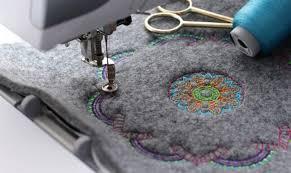
How Modern Embroidery Production is Changing
Machine embroidery digitizing service plays a crucial role in turning artwork into stitch-ready files that embroidery machines can understand and execute. Without proper digitizing, even the most detailed designs can appear distorted, uneven, or completely unusable when stitched onto fabric. Many businesses struggle with thread breaks, misaligned designs, and poor stitch density, all of which often trace back to weak or incorrect digitizing practices.
In modern embroidery production, digitizing is no longer just a technical step—it is the foundation of quality output. A well-prepared file ensures smooth stitching, accurate detailing, and consistent results across multiple garments, whether it is caps, jackets, uniforms, or patches. As demand for custom apparel grows, the need for precision in digitizing has become more important than ever.
Why Poor Digitizing Creates Production Problems
One of the most common issues in embroidery businesses is inconsistent output during bulk production. This often happens when artwork is not properly converted into machine-readable stitch paths. Poor digitizing can lead to several problems such as:
- Uneven stitch density causing fabric puckering
- Thread breaks due to incorrect stitch direction
- Loss of fine details in logos or small text
- Increased machine downtime during production
These problems not only waste time but also increase production costs. In many cases, businesses assume the issue is with the embroidery machine or thread quality, when the real problem lies in the digitized file itself.
Proper digitizing ensures that stitch types, angles, underlay, and density are optimized for the fabric being used. Without these adjustments, even high-end machines cannot produce clean results.
How the Digitizing Process Works
The digitizing process starts with analyzing the original artwork. A skilled digitizer evaluates the design to determine how each element will translate into stitches. This includes deciding stitch types such as satin stitches, fill stitches, or running stitches based on shape and texture.
Next, the design is mapped into a software system where stitch paths are created manually. This step is critical because it defines how the embroidery machine will move. The digitizer must consider fabric type, stretchability, and final placement of the design.
After mapping, the file is tested through a simulation or sample stitch-out. This helps identify any issues before full production begins. Adjustments are made to improve clarity, reduce thread breaks, and ensure smooth execution on machines.
A well-executed process results in cleaner embroidery, better durability, and faster production cycles.
Benefits of Professional Digitizing in Production Workflow
Using professional digitizing methods significantly improves overall embroidery output. Some key advantages include:
- Improved stitch accuracy and design clarity
- Reduced machine errors and production downtime
- Better consistency in bulk orders
- Enhanced durability of stitched designs
- Optimized thread usage, reducing waste
These benefits are especially important for businesses handling large orders or working with multiple fabric types. Consistency in output builds customer trust and reduces rework, which directly improves profitability.
Professional digitizing also allows creative flexibility. Complex logos, gradients, and detailed artwork can be converted into embroidery-ready files without losing their visual impact.
Common Mistakes That Affect Embroidery Quality
Many production issues occur due to avoidable mistakes during the digitizing stage. Some of the most frequent errors include:
- Overly dense stitching causing fabric damage
- Ignoring fabric type during design setup
- Incorrect underlay settings leading to unstable stitching
- Poor path sequencing resulting in thread jumps
- Lack of proper scaling for different garment sizes
These mistakes often lead to rejected products or customer complaints. The key to avoiding them is understanding that digitizing is not a one-size-fits-all process. Each design requires adjustments based on its application and material.
Businesses that invest time in proper setup and testing usually experience fewer production failures and smoother workflow integration.
Choosing the Right Digitizing Approach
Selecting the right approach for embroidery digitizing is essential for maintaining quality and efficiency. Businesses should consider factors such as design complexity, order volume, and fabric type before finalizing their workflow.
For example, simple text-based designs require different settings compared to detailed logos or 3D puff embroidery. A flexible digitizing approach ensures that each design is optimized individually rather than using a generic template.
It is also important to maintain communication between designers and production teams. This helps ensure that the digitized file matches the intended output and reduces the risk of errors during stitching.
In many production environments, outsourcing digitizing work has become a practical solution. It allows businesses to focus on production while ensuring that expert-level precision is applied to every design file.
Improving Efficiency in Embroidery Production
Efficiency in embroidery is not only about machine speed but also about preparation quality. A properly digitized file reduces machine interruptions, minimizes thread trimming, and improves overall workflow.
When designs are optimized correctly, operators spend less time troubleshooting and more time completing orders. This improves turnaround time and helps businesses handle larger workloads without compromising quality.
Another important factor is standardization. Maintaining consistent digitizing settings across similar designs ensures predictable results and simplifies production planning.
Final Thoughts on Modern Embroidery Systems
The embroidery industry continues to evolve with better tools and software, but the foundation of quality remains the same: accurate digitizing. Even the most advanced machines cannot compensate for poorly prepared files.
A reliable machine embroidery digitizing service ensures that every design is production-ready, reducing errors and improving consistency across all types of garments. As competition increases in custom apparel and branding, businesses that prioritize digitizing quality gain a significant advantage in both speed and output reliability.
Investing in proper digitizing practices is not just a technical decision—it is a long-term strategy for improving efficiency, reducing costs, and delivering better customer satisfaction.
Categories
Read More
The United Arab Emirates has established itself as a global center for commerce, innovation, and international partnerships. In such a fast paced and relationship driven market, businesses must go beyond conventional strategies to maintain strong professional connections. Corporate gifts in UAE have emerged as a powerful tool for fostering goodwill, strengthening partnerships, and...

G28 has gained strong recognition in the online gaming world by offering a variety of interactive entertainment options designed for modern players. One of the most popular and engaging features on the platform is Ban Ca, also known as the fish shooting game. This game mode combines action, strategy, and visual excitement, making it a favorite choice for users who enjoy fast paced and...

"According to the latest report published by Data Bridge Market Research, the Interactive Voice Response Market Data Bridge Market Research analyses that the global interactive voice response market which was USD 81,030 million in 2022, would rocket up to USD 185,560 million by 2030, and is expected to undergo a CAGR of 20.8% during the forecast period. The large scale Interactive...

According to the latest report published by Data Bridge Market Research, the Asia-Pacific Loyalty Management Market CAGR Value This Asia-Pacific Loyalty Management Market research report is prepared with detailed statistics and market research insights that results in sharp growth and thriving sustainability in the market for the businesses. This market research report...
"North America Non-Stick Cookware Market Summary: According to the latest report published by Data Bridge Market Research, the North America Non-Stick Cookware Market The North America non-stick cookware market size was valued at USD 10.06 billion in 2025 and is expected to reach USD 14.86 billion by 2033, at a CAGR of 5.00% during the forecast period....