


Cost Of Private Knee Replacement In Canada Prices, Wait Times, and What’s Included
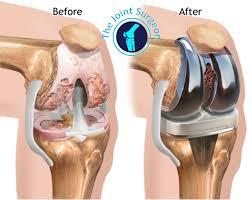
If you’re weighing private knee replacement in Canada, expect a typical price range of about CAD 18,000 to CAD 35,000 depending on surgeon, implant, and facility. The cost of private knee replacement in Canada can vary significantly based on the clinic, technology used, and level of postoperative care included. That range gives you a realistic starting point so you can compare clinics, estimate out-of-pocket costs, and decide whether private care fits your timeline and budget. You’ll learn how the bill breaks down — surgeon and anaesthesia fees, hospital or clinic charges, implants, and postoperative care — and which factors drive costs up or down across provinces. Understanding the cost of private knee replacement in Canada will help you pinpoint what matters most for your situation so you can plan confidently and avoid unexpected surprises.
Breakdown of Private Knee Replacement Expenses
You will encounter several distinct cost areas: fees charged by the surgeon and facility, the implant and related devices, pre-op tests and imaging, and post-op rehab plus medication. Each of these can vary by province, surgeon, and the complexity of your case.
Surgical Fees and Hospital Charges
Surgical fees usually include the surgeon’s fee, anesthesiologist fee, and operating-room time. Surgeons may bill a flat fee or a fee based on complexity; expect variability between urban specialists and community surgeons. Anesthesiologist charges depend on technique (general vs regional block) and duration. Hospital or surgical facility fees cover the operating room, nursing, recovery room, and overnight stays if needed. Private clinics often charge per-hour OR rates and a fixed facility fee. If you require an extended stay or overnight monitoring, that raises the facility bill.
Itemized things to ask about:
- Surgeon’s professional fee and billing method
- Anesthesiologist fee and type of anesthesia
- Facility base fee plus per-hour OR rates
- Overnight room rate and any private-room premium
Implant and Medical Device Costs
Implant costs form a large share of private knee replacement expenses. Standard fixed-bearing implants typically cost less than higher-end patient-specific or robotic-compatible implants. Brands, material (oxinium, cobalt-chrome, titanium), and whether you receive a cemented or cementless implant affect price. Additional devices can include tibial or femoral augments, patellar components, modular stems, and custom-cutting guides. If your surgeon uses single-use instruments or patient-specific cutting blocks, expect added charges. Warranties or lifetime guarantees on implants are uncommon in Canada, so confirm any warranty terms in writing.
Questions to clarify:
- Implant brand, model, and material
- Whether custom guides or patient-specific instrumentation are included
- Any additional device or revision components that might be needed
Pre-Operative Assessment and Imaging
Pre-op costs include consultations, bloodwork, ECG, medical clearance, and imaging such as X-rays or MRI. A baseline set typically involves weight-bearing knee X-rays and a complete blood count. If you have cardiac history or other comorbidities, expect ECGs, echocardiograms, or specialist clearances that add to the bill. Some clinics bundle pre-op testing into a package; others bill each item separately. If you require infection screening (MRSA), dental clearance, or a pre-admission clinic visit, add those fees. Timing matters: expedited testing for private surgery can sometimes cost more than standard scheduling.
Items to request before booking:
- Full list of pre-op tests and who orders them
- Whether imaging is recent enough or will be repeated
- Fees for specialist clearances and expedited testing
Post-Surgery Rehabilitation and Medication
Post-op rehabilitation drives both outcomes and costs. Expect a plan that includes in-hospital physiotherapy, outpatient physio sessions, and home-exercise programs. Private physio rates vary; a common range per session will depend on your city and clinic. Some packages include a set number of sessions; others charge per visit. Medications include short courses of opioids or NSAIDs, anticoagulants for DVT prophylaxis, and wound-care supplies. If you need home nursing, walker or crutch rental, or extended supervised rehab, those add to total cost. Confirm which rehab elements are included in your package and which will be billed separately.
Factors Affecting Pricing in Canada
Costs change based on where you go, who operates, and the implant you receive. Expect urban centres and high-volume private clinics to charge differently than smaller or rural providers, and implant choice to shift the price by thousands.
Geographic Location Variations
Location drives direct and indirect costs. Major cities like Toronto, Vancouver, and Calgary typically have higher facility fees and surgeon rates than smaller centres because of higher overhead, rent, and staffing costs. Travel and accommodation can add several hundred to a few thousand dollars if you must cross provinces or fly to a private clinic. Provincial regulatory environments and local market competition also affect price: where more private clinics operate, you may find more competitive packages and bundled care options. Local demand influences scheduling and added fees. High-demand clinics may charge premium rates for faster access, while regions with fewer providers may include additional logistic or consultation surcharges.
Surgeon Expertise and Clinic Reputation
Surgeon experience and clinic reputation directly affect your bill. Surgeons with fellowship training in arthroplasty or long track records often command higher fees because of perceived better outcomes and lower complication rates. Clinic reputation matters too. Accredited, high-volume private centres usually include pre-op testing, physiotherapy, and on-site nursing in their pricing, which raises the upfront cost but can reduce post-op complications and unplanned expenses. Boutique clinics offering concierge-style care charge more for same-day admissions, private rooms, and personalized follow-up. You should compare itemized quotes. Look for what’s included—consultations, imaging, anesthesia, hospital stay, rehab—and ask for surgeon-specific complication and revision rates to assess value versus price.
Type of Knee Implant Used
Implant selection causes significant price variation. Standard cemented total knee implants are generally less expensive, while specialty implants—such as gender-specific designs, high-flex components, or custom patient-specific cutting guides—can add thousands to the implant fee. Advanced materials (ceramic coatings, oxidized zirconium) or partial/knee-resurfacing implants also increase cost. Some clinics bundle implant cost into a single package; others list it as a separate line item, making comparison important. Warranty programs and revision coverage may be available for higher-cost implants. Ask for the exact implant model, manufacturer warranty, and whether the quoted price covers potential early revisions or implant-related complications.
Categories
Read More
The aviation industry is growing rapidly, creating massive demand for skilled professionals across management, operations, and customer service. Among the top career-focused programs today, BBA Aviation stands out as a highly demanded course for students who want to enter the aviation industry without becoming pilots. What is BBA Aviation? BBA Aviation is a specialized undergraduate...

The global shotcrete concrete industry is benefiting from increasing investments in transportation infrastructure, mining projects, and urban development. Modern shotcrete solutions provide faster construction, superior structural performance, lower material wastage, and improved safety, making them increasingly important for underground construction and rehabilitation projects. As governments...

"Artificial Intelligence (AI) for Customer Service Market Summary: According to the latest report published by Data Bridge Market Research, the Artificial Intelligence (AI) for Customer Service Market The global artificial intelligence (AI) for customer service market size was valued at USD 12.32 billion in 2024 and is expected to reach USD 75.14 billion by...
Every woman knows that a good pair of jeans is more than just an outfit choice—it’s the backbone of a wardrobe. Jeans are the one piece of clothing that can be styled in countless ways, evolving with trends while always remaining a classic staple. With the Jeans by Knox Rose, women can embrace both modern fits and timeless looks. The brand has mastered the art of denim, offering...

Scientific innovation is moving at an extraordinary pace, and researchers need dependable solutions that deliver accuracy, consistency, and speed. Monoclonal antibody 10 mg India has become an increasingly valuable choice for laboratories aiming to achieve reliable experimental outcomes while maintaining high research standards. Every breakthrough begins with quality biological...
