


Choosing Family Health Insurance for Senior Citizens

When we talk about aging, there are a lot of new issues that arise along with being older. The first ‘wake up call’ for many people is when their parent has health issues and all of a sudden you are running around to find out about doctor appointments, paying doctor bills, worrying about how much it could cost to take them to the hospital for an emergency.
This is the time when an excellent family health insurance plan transitions from being a hassle with all the paperwork to being your greatest ally. However, finding a health insurance plan for your aging parent is not as easy as you may think. You cannot apply the same reasoning that you used when searching for your own family health insurance. You must find a plan that understands how older people have a lot of broken bones, need a lot of follow up visits and that they may have a very slow progression of illnesses or need multiple medications on a daily basis.
Here’s how to do it right.
Why Regular Plans Fail Senior Citizens
Most standard health plans have entry age limits. Once your parents cross 60 or 65, many insurers shut the door. The ones that remain open charge higher premium rates. That’s just math. Older people file more claims.
But here is the hard truth: ignoring insurance is not an option. A single heart procedure can wipe out years of savings. This often works cheaper than buying separate policies.
What to Look For in Parents Health Insurance
When you search for parents health insurance, don’t just look at the premium amount. Look at what the plan refuses to cover. That small print matters.
First, check the waiting period for pre-existing diseases. Most senior citizens have something—diabetes, high BP, arthritis. Some plans make you wait two to four years before covering these. That is a long time. Find plans with shorter waiting periods, even if the premium is slightly higher.
Second, look for “no co-pay” or low co-pay clauses. Co-pay means you pay a fixed percentage of every bill. For example, a 20% co-pay on a ₹2 lakh hospital bill means you pay ₹40,000 from your pocket. Many senior plans force this. Avoid it if your budget allows.
The Real Benefits You Need
Not all benefits are created equal. Ignore the flashy add-ons like international coverage or maternity care. Focus on what matters for elderly care.
Day-care procedures: Many treatments like cataract surgery or dialysis don’t need a full overnight stay. Your plan must cover these.
Domiciliary hospitalization: Sometimes a senior citizen cannot be moved to a hospital. Treatment at home should be covered.
Annual health checkups: A good plan gives you free preventive checks. Use them. Catching a problem early saves you from a catastrophe later.
Restoration of sum insured: If your parent uses up the full cover in one year, the plan should refill the amount for the next illness. This is gold.
Premium vs. Coverage: Finding the Sweet Spot
Yes, the premium for family health insurance with senior citizens will feel heavy. You might see numbers that make you blink. But do not cut corners by lowering the sum insured.
A ₹3 lakh cover might seem enough. It is not. A single ICU stay for a week can cross ₹10 lakh easily. Go for at least ₹10-15 lakh base cover. If that pushes the premium too high, look for a plan with a deductible—you agree to pay the first ₹50,000 or ₹1 lakh, and the insurer pays the rest. This lowers your annual outgo while keeping a large safety net.
Also, check if your employer’s group plan allows parent inclusion. Many corporate plans now offer parents health insurance at subsidized rates. That’s often the cheapest route.
Mistakes That Will Get You Denied by Your Insurance Company
Lying About Your Medical History: Your insurance company will investigate every detail in your file when processing a claim, including any pre-existing conditions. If you have hidden a diagnosis from three years ago, your claim may be denied
Buying the cheapest plan: Low premium means high exclusions. Read every word.
Ignoring network hospitals: Your plan is useless if the nearest good hospital is not in the insurer’s list. Check your city’s hospitals before buying.
Not using free benefits: Most people forget their free health checkup coupon. Mark it on the calendar.
A Final Word on Elderly Care
Insurance is not elderly care. It just pays the bills. Real elderly care means showing up, listening to their complaints, and reminding them to take their pills. But good insurance lets you do that without constantly checking your bank balance.
My advice? Start early. The moment your parents turn 55, buy a family health insurance plan that includes them. The premium will be lower, and waiting periods will pass before they actually need it.
Choosing family health insurance for senior citizens is not glamorous. It is a boring Tuesday afternoon task. But done right, it buys you something priceless: peace of mind. And when your father says, “The chest feels a little tight,” you will not freeze. You will just pick up the phone and call the hospital listed on your card.
That is the only benefit worth paying for.
Категории
Больше
The decision to buy 10 Mukhi Rudraksha Mala is often made by those seeking spiritual protection, emotional stability, and inner peace. The 10 Mukhi Rudraksha Mala is one of the most powerful and spiritually significant Rudraksha malas, known for its strong protective energy and divine connection with Lord Vishnu. Revered in Vedic tradition, this sacred mala is believed to protect the wearer...

BL555 là một trong những nền tảng giải trí trực tuyến nổi bật nhờ chính sách ưu đãi minh bạch và dễ tiếp cận. Người chơi khi tham gia không chỉ được trải nghiệm các trò chơi hấp dẫn mà còn có cơ hội nhận nhiều chương trình khuyến mãi phù hợp, tạo ra cảm giác được quan...

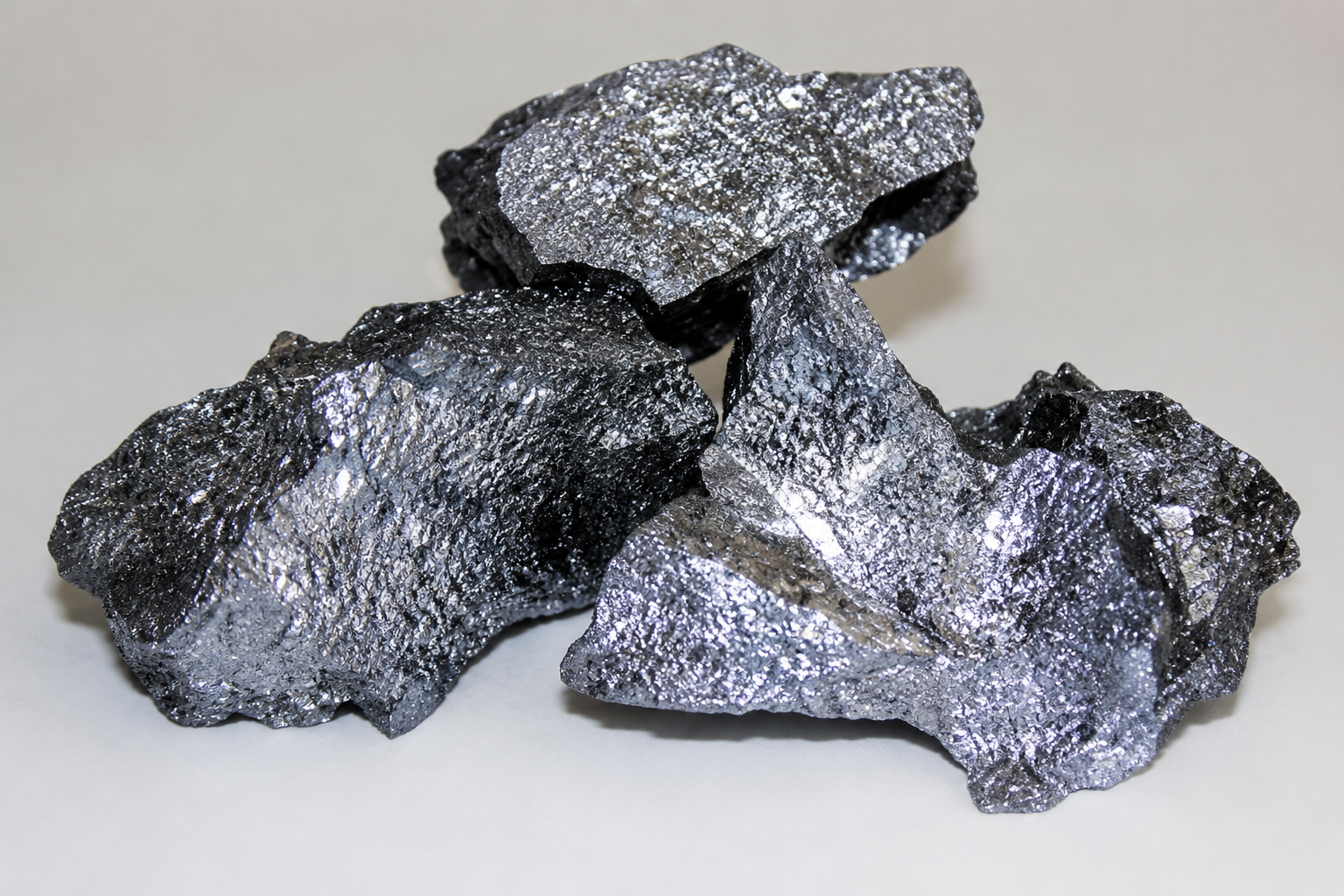
The Silicon Metal Price Trend, Silicon Metal Prices, Silicon Metal Price Forecast are important indicators for industries connected to electronics, construction, automotive manufacturing, and renewable energy. Silicon metal is one of the most widely used industrial materials because of its versatility and role in modern technology. Even though many people may not think about silicon metal...
Carpets are a major part of our homes, adding warmth, comfort, and style. But over time, they can collect dust, allergens, dirt, and bacteria, making regular cleaning essential. Traditional carpet cleaning methods often involve harsh chemicals that can affect indoor air quality and harm the environment. This is why green carpet cleaning has become a popular choice for homeowners seeking a safe,...
With the growing popularity of online cricket platforms and apps, more players are searching for quick and easy ways to connect live cricket. One of the simplest and most well-known methods currently is to use the Online Cricket ID WhatsApp Number. Instead of filling out long questionnaires or waiting to receive verification of their email addresses users can just send a message...