


Art Therapy Addiction Program: How Creative Expression Supports Recovery
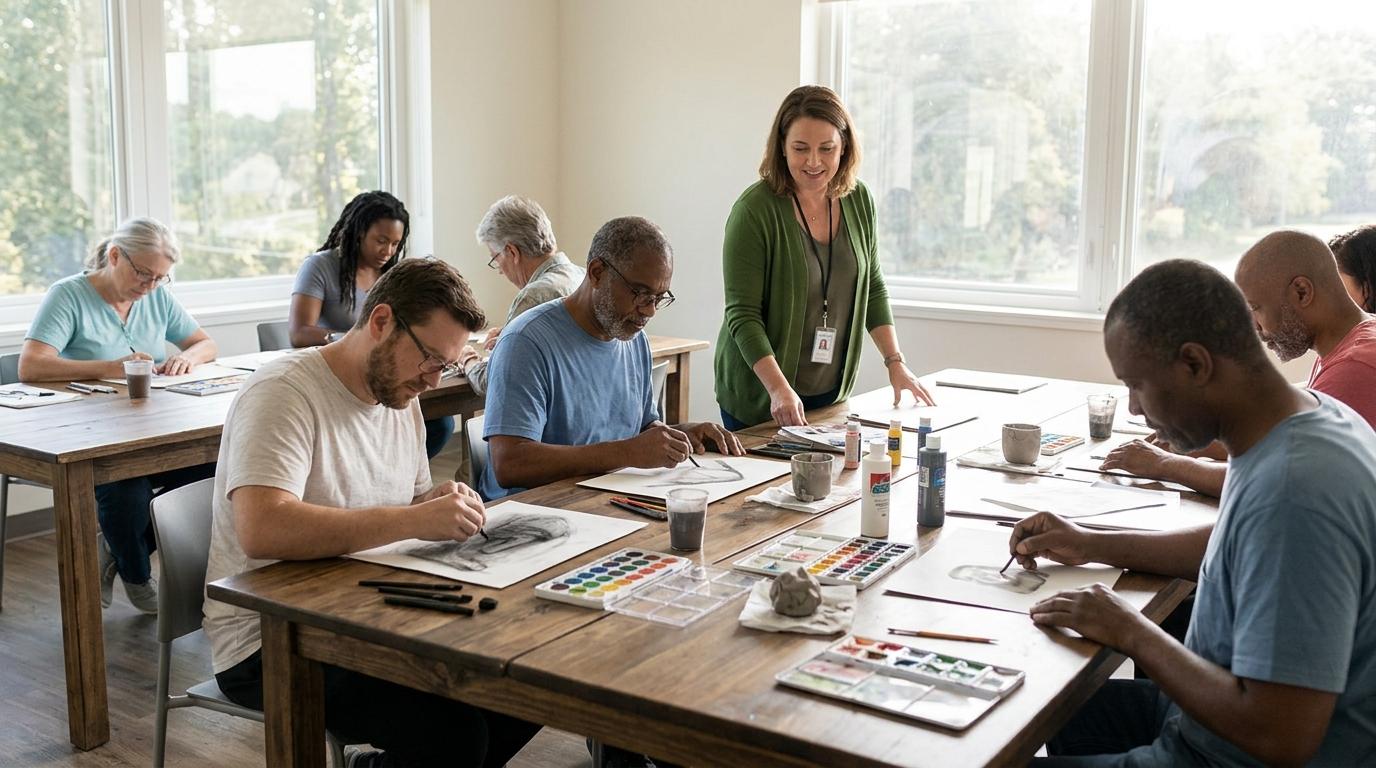
Recovery from addiction involves more than stopping substance use. People also need healthy ways to process emotions, manage stress, and rebuild confidence during treatment.
That is why many behavioral health professionals now include creative therapies alongside traditional counseling methods. Among these approaches, art therapy addiction programs continue to gain attention for their ability to support emotional healing in practical and meaningful ways.
At Atlas Behavioral Health, addiction treatment focuses on whole-person recovery. That means addressing emotional health, behavioral patterns, and coping strategies, not just the addiction itself.
And no, nobody needs to paint like Picasso for art therapy to help. Most people entering recovery simply need a healthy outlet that does not involve avoiding emotions with substances.
What Is an Art Therapy Addiction Program?
An art therapy addiction program uses creative activities to help individuals express thoughts, emotions, and experiences connected to addiction and recovery.
These programs often include:
-
Drawing
-
Painting
-
Collage work
-
Sculpting
-
Creative journaling
-
Mixed media projects
Licensed therapists guide sessions to help participants explore emotions, reduce stress, and improve self-awareness.
According to the American Art Therapy Association, art therapy supports mental health treatment by helping individuals communicate experiences that may feel difficult to express verbally.
That matters in addiction recovery because many people struggle to discuss trauma, shame, anxiety, or grief directly.
Why Creative Therapy Helps During Addiction Recovery
Addiction often affects emotional regulation. Many individuals use substances to numb stress, trauma, anger, or sadness.
Recovery requires learning healthier coping mechanisms.
Art therapy creates a structured way to process emotions without relying entirely on conversation. Some people communicate more honestly through creative expression than they do during traditional talk therapy.
Research published by the National Institutes of Health (NIH) shows that creative therapies may reduce stress, improve emotional awareness, and support mental health treatment when combined with evidence-based addiction care.
In simple terms, art gives the brain another way to work through emotional pressure.
Sometimes people cannot explain what they feel clearly. But hand them markers, paint, or clay, and suddenly the emotional traffic jam starts moving.
How Art Therapy Fits Into Addiction Treatment
Art therapy usually works alongside other behavioral health services instead of replacing them.
Most comprehensive addiction programs combine:
-
Individual counseling
-
Group therapy
-
Cognitive Behavioral Therapy (CBT)
-
Relapse prevention planning
-
Mental health support
-
Holistic recovery activities
Creative therapies support these core treatments by helping clients:
-
Reduce anxiety
-
Build self-esteem
-
Improve emotional regulation
-
Process trauma
-
Strengthen mindfulness skills
-
Develop healthier coping habits
At Atlas Behavioral Health, recovery programs focus on evidence-based care while supporting emotional wellness through personalized treatment planning.
Art Therapy and Mental Health Recovery
Mental health conditions commonly occur alongside addiction.
According to the National Institute on Drug Abuse (NIDA), many individuals with substance use disorders also experience:
-
Anxiety
-
Depression
-
PTSD
-
Trauma-related disorders
-
Mood disorders
This connection explains why emotional healing plays such an important role in recovery.
Art therapy may help individuals externalize emotions that feel overwhelming internally. Instead of bottling up stress or avoiding painful experiences, clients learn to express emotions in healthier and safer ways.
Creative work also encourages mindfulness. Focusing on a project can reduce racing thoughts and help individuals stay present during stressful moments.
And honestly, recovery already involves enough emotional intensity. Sometimes, creating something with your hands feels more productive than staring at a ceiling while overthinking life decisions from 2017.
Benefits of an Art Therapy Addiction Program
Art therapy supports recovery in several important ways.
Encourages Emotional Expression
Many people entering treatment struggle to discuss difficult emotions openly. Creative activities may help reduce that pressure.
Reduces Stress and Anxiety
Creative expression can support relaxation and emotional regulation during treatment.
Improves Self-Awareness
Art projects often help individuals recognize emotional patterns, triggers, and personal challenges more clearly.
Supports Trauma Recovery
Some clients find it easier to process traumatic experiences through nonverbal expression.
Builds Confidence
Completing creative projects may improve self-esteem and encourage positive self-reflection during recovery.
Who Can Benefit From Art Therapy?
Art therapy may help individuals at many stages of addiction recovery.
It often benefits people who:
-
Feel uncomfortable with traditional talk therapy
-
Experience trauma-related stress
-
Struggle with emotional expression
-
Need healthier coping skills
-
Want additional support during outpatient or inpatient treatment
Importantly, artistic skill does not matter.
Nobody receives grades. There are no “bad painters” in recovery programs. The goal involves emotional growth and self-expression not producing museum-quality artwork.
What to Expect During an Art Therapy Session
Sessions vary depending on the treatment setting and therapist approach.
A typical session may involve:
-
A guided creative activity
-
Time for personal reflection
-
Group or individual discussion
-
Emotional processing with a therapist
Some sessions focus on stress reduction, while others explore themes like identity, recovery goals, trauma, or relapse prevention.
Therapists create supportive environments where participants can express themselves without judgment.
That sense of safety matters because recovery often requires vulnerability, honesty, and emotional trust.
Choosing an Addiction Program That Supports Whole-Person Recovery
Strong addiction treatment programs recognize that recovery involves both physical and emotional healing.
When searching for care, individuals should look for programs that provide:
-
Licensed behavioral health professionals
-
Evidence-based addiction treatment
-
Mental health support
-
Personalized recovery planning
-
Holistic therapy options
-
Relapse prevention education
Integrated treatment approaches often produce stronger long-term outcomes because they address the deeper emotional patterns connected to substance use.
Final Thoughts
An art therapy addiction program offers more than creative activities. It provides individuals with a healthier way to process emotions, reduce stress, and rebuild emotional resilience during recovery.
When combined with evidence-based addiction treatment and mental health support, creative therapy can become a valuable part of long-term healing.
Recovery is not only about removing harmful behaviors. It is also about learning healthier ways to cope, communicate, and reconnect with yourself.
Categorie
Leggi tutto
"Executive Summary Chelating Agents Market Size and Share Across Top Segments Data Bridge Market Research analyses that the chelating agents market will grow at a CAGR of 5.8% during the forecast period of 2023 to 2030. To better structure this Chelating Agents report, a nice blend of advanced industry insights, practical solutions, talent solutions, and the latest technology is...

As men age, maintaining prostate health becomes increasingly important. Common concerns such as frequent nighttime urination, weak urine flow, bladder discomfort, and sudden urinary urgency can interfere with sleep, daily activities, and overall quality of life. Prosta Defend is a natural dietary supplement developed to support prostate wellness, urinary function, and long-term...

Monopoly GO continues to keep players engaged with fresh challenges and exciting events. Following the conclusion of the Tie Trials tournament, a new competition has emerged: the X-Wing Bling event. Kicking off on June 18, this two-day tournament promises plenty of fun and rewards. Participants in the X-Wing Bling contest have the chance to earn a variety of fantastic prizes. A total of 2,700...

The embassy plays a critical role in Kingshot's military infrastructure, especially once your town center reaches level 9 and beyond. It functions as the hub for coordinating alliance support and reinforcement efforts. Upgrading the embassy enhances its ability to handle increased demands and enables you to respond more effectively to alliance requests. Specifically, improvements to the...
The United States plays a leading role in the non-alcoholic beverage packaging industry, supported by a large consumer base and a well-developed beverage manufacturing sector. Rising demand for packaged beverages, expanding e-commerce distribution channels, and increasing adoption of sustainable packaging materials are contributing to industry expansion. Manufacturers are focusing on recyclable...