


Weight Loss: A Healthy and Sustainable Approach to Long-Term Fitness

Weight loss is a common health goal, but achieving it in a healthy and sustainable way requires more than just dieting. Many people struggle with temporary solutions that do not provide lasting results. True progress in weight management comes from balanced nutrition, regular physical activity, and long-term lifestyle changes that support overall well-being.
A successful approach to weight loss focuses on improving metabolism, controlling calorie intake, increasing energy expenditure, and maintaining consistency in healthy habits. Instead of extreme diets, a steady and realistic plan is more effective for long-term success.
Understanding How Weight Loss Works
Weight loss happens when the body uses more energy than it consumes, creating a calorie deficit. This forces the body to burn stored fat for energy. However, the process is influenced by several factors, including:
- Metabolism speed
- Daily activity level
- Hormonal balance
- Sleep quality
- Food choices
- Stress levels
When these factors are not in balance, weight loss becomes slower and more difficult. That is why a complete lifestyle approach is necessary rather than focusing on dieting alone.
Common Challenges in Weight Loss
Many people face obstacles that slow down their weight loss journey:
1. Slow Metabolism
A slower metabolism burns fewer calories, making fat reduction more difficult.
2. Poor Eating Habits
High intake of sugar, processed foods, and refined carbohydrates leads to fat accumulation.
3. Lack of Exercise
A sedentary lifestyle reduces calorie burn and weakens muscle activity.
4. Stress and Emotional Eating
Stress often leads to overeating or unhealthy food cravings.
5. Irregular Sleep Patterns
Poor sleep disrupts hormones that control hunger and fat storage.
Overcoming these challenges is essential for effective and lasting weight loss results.
Healthy Strategies for Weight Loss Success
Balanced Nutrition
A proper diet plays a major role in achieving weight loss goals. Include:
- Lean proteins
- Fresh fruits and vegetables
- Whole grains
- Healthy fats
- Plenty of water
Regular Exercise
Physical activity helps burn calories and improve metabolism. Effective exercises include:
- Walking or jogging
- Strength training
- Cycling
- Yoga and stretching
Proper Sleep
Good sleep supports hormone balance and helps the body recover effectively.
Stress Management
Reducing stress through meditation, breathing exercises, or hobbies can improve overall weight loss results.
Building a Sustainable Weight Loss Lifestyle
Sustainable weight loss is not about quick fixes—it is about long-term habits that support overall health. Consistency is the key to success. Instead of strict dieting, focus on:
- Eating balanced meals regularly
- Staying physically active every day
- Drinking enough water
- Avoiding crash diets
- Tracking progress gradually
Small improvements over time lead to more stable and lasting weight loss results.
Conclusion
Achieving healthy weight loss requires patience, discipline, and a balanced lifestyle. It is not just about reducing body weight but also improving overall health, energy, and fitness levels.
By focusing on proper nutrition, regular exercise, good sleep, and stress control, individuals can achieve long-term success in their weight loss journey and maintain a healthier lifestyle overall.
الأقسام
إقرأ المزيد
Moving into a new residence may be thrilling, however it's also unsettling without support. This is why so many people trust MJ Movers for their reliable and dependable relocation assistance. As a respected removals company in Nottingham, it offers swift and reliable moving strategies that make each part of the move more efficient, safe, and more organized. No matter if you're moving to...

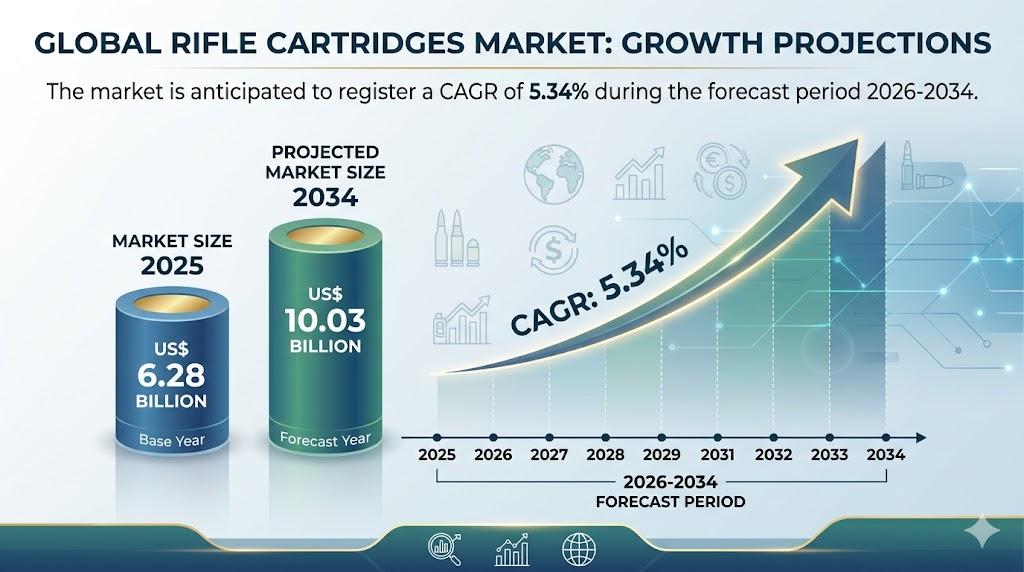
The global defense and sporting sectors are witnessing a significant transformation as modernization programs and civilian participation in shooting sports continue to rise. The global rifle cartridges market size is projected to reach US$ 10.03 billion by 2034 from US$ 6.28 billion in 2025. The market is anticipated to register a CAGR of 5.34% during the forecast period...
Eager to explore a vast array of digital entertainment and applications? An iTunes UAE gift card is your gateway to a world of endless possibilities. By redeeming an iTunes UAE gift card, you gain access to the rich selection of content available within the Apple ecosystem. From the newest blockbuster films and hit songs to innovative and useful apps, everything is at your fingertips. Picture...

A reliable mobile app development company in Gurgaon stands out through experience, transparency, and successful project delivery. They use structured methodologies like Agile and Scrum to ensure continuous progress. Their team includes strategists, designers, developers, testers, and support engineers who work collaboratively. They provide clear communication, regular updates, and real-time...

The North America Permanent Rare Earth Magnets is expected to witness significant growth by 2034, supported by rising investments in electric vehicles, renewable energy projects, advanced manufacturing, and aerospace applications. The region benefits from strong technological capabilities, increasing adoption of energy-efficient systems, and growing efforts to establish domestic rare earth...