


The Expanding Role of HSE Officers in High-Risk Industries
The Expanding Role of HSE Officers in High-Risk Industries
Organizations operating in high-risk sectors such as construction, offshore operations, utilities, and the oil and gas industry face safety challenges every single day. In these demanding environments, safety cannot be viewed as a separate process or an afterthought. It must remain a core part of every activity, decision, and operational procedure. Even a small oversight has the potential to trigger serious injuries, equipment failures, environmental damage, or costly interruptions to business operations. Because of this, Health, Safety, and Environment (HSE) professionals play a critical role in maintaining stability and protecting both people and assets. Their work extends well beyond enforcing rules or satisfying compliance requirements. They actively contribute to safer operations by identifying risks early, improving workplace practices, and helping organizations maintain control in complex working conditions.
One of the primary responsibilities of an HSE officer is recognizing hazards before they turn into incidents. They evaluate job activities, inspect work conditions, and study operational processes to determine where dangers may exist. Their role becomes especially valuable in workplaces where conditions change rapidly and tasks that appear routine can quickly become hazardous. By continuously monitoring the work environment and anticipating possible problems, they help reduce uncertainty and support safer execution of daily operations.
Risk assessment remains one of the most important functions within HSE management. Professionals in this role carefully analyze equipment, procedures, work areas, and environmental conditions to uncover potential threats. After identifying hazards, they assess the likelihood of those risks occurring and the level of harm they could cause. These dangers may involve heavy machinery, chemical exposure, working at heights, confined spaces, or other complex industrial activities. Since workplaces constantly evolve, risk assessments must also be reviewed and updated regularly to remain effective. The results of these evaluations directly influence the protective measures, control systems, and safety procedures implemented across the site.
Another major aspect of the role involves ensuring compliance with safety legislation and industry standards. High-risk industries are regulated by strict requirements intended to protect workers, equipment, and surrounding environments. HSE officers help organizations meet these obligations by monitoring activities, maintaining proper documentation, and supporting audits and inspections. However, compliance serves a broader purpose than simply avoiding penalties. Clear regulations provide structure, improve operational consistency, and create safer and more organized workplaces.
Education and workforce awareness are equally essential components of effective HSE management. Safety systems alone cannot prevent incidents if employees do not fully understand the risks associated with their work or how to follow procedures correctly. HSE officers conduct training sessions, toolbox talks, safety meetings, and emergency drills to keep workers informed and prepared. These activities strengthen hazard awareness, encourage safe behavior, and improve employees’ ability to respond effectively during unexpected situations or emergencies.
Routine inspections also form a key part of maintaining workplace safety. Regular site visits allow HSE professionals to observe ongoing operations closely and identify unsafe conditions before they escalate into serious incidents. During inspections, they examine equipment conditions, housekeeping standards, access points, work practices, and safety controls to ensure procedures are being followed properly. They may also review permit-to-work systems, verify isolation procedures, and evaluate the overall condition and organization of the worksite. Their continued presence on-site reinforces the importance of safety as a daily operational priority rather than a one-time initiative.
When accidents, incidents, or near misses occur, HSE officers are responsible for carrying out detailed investigations. This process typically involves gathering evidence, reviewing events, and speaking with employees involved in the situation to determine the root causes behind the issue. The objective is not to assign blame but to understand why the incident happened and how similar events can be prevented in the future. Lessons learned from these investigations are then used to improve procedures, strengthen safeguards, and enhance overall safety performance across the organization.
Certain high-risk activities require even stricter controls due to the severity of potential consequences. Tasks such as hot work, confined space entry, and heavy lifting operations are usually managed through permit-to-work systems. HSE professionals review and authorize these permits to confirm that all necessary precautions have been taken before work begins. This may include isolation of equipment, atmospheric testing, emergency planning, communication arrangements, and verification of protective measures. These structured controls significantly reduce the likelihood of serious incidents occurring during hazardous activities.
Beyond immediate safety concerns, HSE officers also focus on long-term occupational health and environmental protection. Their responsibilities may include monitoring exposure to harmful substances, controlling workplace noise, evaluating ventilation systems, and ensuring emergency equipment remains functional and accessible. By managing these factors effectively, they help protect employee well-being while minimizing negative environmental impacts on surrounding communities and ecosystems.
The most effective HSE professionals contribute more than procedures and compliance management. They help develop a strong workplace safety culture where employees feel encouraged to report hazards, communicate openly, and prioritize prevention. Instead of creating environments driven by fear or blame, they promote continuous learning and shared responsibility. This proactive approach encourages workers to view safety as a natural part of their daily routines and decision-making processes.
In industries where operational risks can never be completely eliminated, HSE officers remain essential to maintaining safe and efficient workplaces. Their efforts help organizations prevent accidents, protect valuable assets, support regulatory compliance, and maintain stable operations. With proper systems, resources, and organizational support, HSE professionals can continue focusing on the ultimate goal of preventing incidents before they happen while building safer and more sustainable working environments for everyone involved.
Book a free demo @ https://toolkitx.com/blogsdetails.aspx?title=Key-responsibilities-of-an-HSE-officer-in-high-risk-industries:-what-every-safety-leader-must-know
Категории
Больше
"Middle East and Africa Metal Injection Molding (MIM) Powders and Feedstock Market Summary: According to the latest report published by Data Bridge Market Research, the Middle East and Africa Metal Injection Molding (MIM) Powders and Feedstock Market The Middle East and Africa Metal Injection Molding (MIM) Powders and Feedstock Market size was valued at USD 107.70 million in 2025 and...

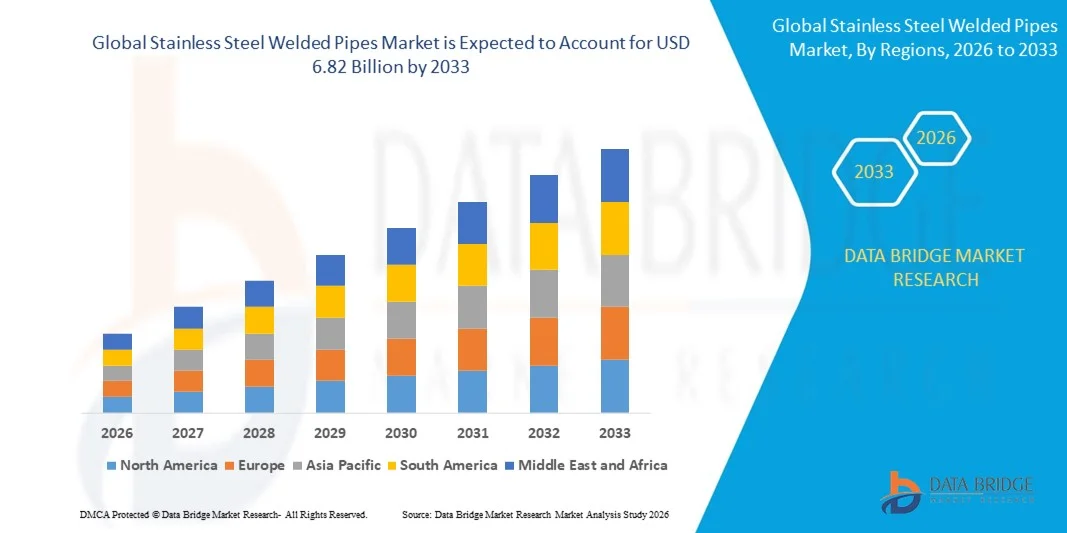
According to the latest report published by Data Bridge Market Research, the Stainless Steel Welded Pipes Market The global stainless steel welded pipes market size was valued at USD 4.79 billion in 2025 and is expected to reach USD 6.82 billion by 2033, at a CAGR of 4.50% during the forecast period The surging increase in demand from the construction,...
The strategic Social Intelligence Market Value proposition is rooted in its unique ability to transform the vast, unstructured noise of the internet into clear, actionable business intelligence that drives tangible results. The value is not just in knowing that people are talking about your brand; it is in understanding who is talking, what they are saying, how they feel, and why it...

The beverage industry is one of the fastest-growing consumer markets worldwide, and packaging plays a pivotal role in its evolution. From ensuring product safety and extending shelf life to enhancing consumer experience and supporting sustainability, beverage packaging has become more than just a container—it’s now a powerful driver of brand identity and market growth. As consumer...

The global boron carbide market continues to demonstrate strong growth potential as industries increasingly demand lightweight, durable, and high-performance materials capable of operating under extreme conditions. Boron carbide is recognized as one of the hardest synthetic ceramic materials, surpassed only by diamond and cubic boron nitride. Its exceptional hardness, excellent chemical...