Noise Suppression for BPO: The Role of Voice Harmonization and Accent Reduction Software

In the fast-paced world of Business Process Outsourcing (BPO), the quality of communication is the ultimate currency. With thousands of agents working in bustling centers, the environment is rarely silent, and the diversity of global talent means that accents often vary significantly. For BPOs, the challenge is twofold: filtering out disruptive background noise and ensuring that agents can be understood clearly by clients worldwide.
To address these hurdles, the industry is increasingly turning to advanced technological solutions, specifically noise suppression for BPO, voice harmonization, and AI-driven speech accent reduction software.
The Challenge: Beyond Static Background Noise
Traditional noise suppression has long been a staple in call centers. Basic algorithms can easily filter out low-frequency hums or consistent hums from air conditioning units. However, the modern BPO environment is dynamic. It involves the chatter of neighboring agents, the clatter of keyboards, and the unpredictable echoes of a large, open-plan office.
When voice quality drops, it leads to customer frustration, longer Average Handle Times (AHT), and increased agent fatigue as they strain to be heard over the noise. This is where the evolution of audio technology becomes critical.
The Rise of Voice Harmonization Software
While noise suppression handles the "subtraction" of unwanted sounds, voice harmonization software focuses on the "addition" of audio clarity. Voice harmonization works by normalizing the audio signal across a workforce.
In a BPO setting, equipment quality can vary, and individual agents have different speaking volumes and mic placements. Voice harmonization tools ensure that the output received by the customer is consistent, regardless of the agent’s specific station. It levels the audio playing field, smoothing out volume spikes and filling in gaps in frequency response. By "harmonizing" the voice, the technology makes the agent sound professional, stable, and clear, effectively creating a high-fidelity experience that bridges the physical distance between a contact center in one country and a customer in another.
Addressing the "Accent Gap" with Technology
One of the most sensitive yet important topics in global BPO operations is the impact of accents on communication clarity. While diversity is a strength, thick regional accents can sometimes lead to misunderstandings, necessitating multiple repetitions of information. This is where speech accent reduction software becomes a valuable digital assistant.
It is important to clarify that this technology is not about erasing an agent’s identity or cultural background. Rather, it is about accent neutralization—a process that focuses on clarity and articulation. AI-driven software can analyze incoming speech in real-time and provide subtle, intelligent adjustments to pronunciation, cadence, and enunciation.
By helping agents achieve a more neutral, globally recognized "business standard" of speech, this software reduces the cognitive load on the customer. When a customer doesn’t have to struggle to interpret the sounds, their frustration levels drop, and the emotional connection with the agent remains positive. It empowers the agent to focus on empathy and problem-solving rather than worrying about whether their pronunciation is being adequately understood.
Integrating the Trio: A Holistic Approach
The most effective call centers are those that integrate these three pillars—noise suppression, voice harmonization, and accent reduction—into a single, cohesive audio ecosystem.
-
Noise Suppression: Cleans the "canvas" by eliminating office background noise.
-
Voice Harmonization: Polishes the "audio signature" to ensure a consistent, professional volume and tone.
-
Accent Reduction Software: Refines the "clarity" of the speech to ensure universal understandability.
When these technologies operate in tandem, the results are measurable. BPOs report significant improvements in CSAT (Customer Satisfaction) scores, as the friction in the conversation is removed. Furthermore, it creates a more supportive environment for employees. Agents who have the technological backing to be heard clearly the first time experience less stress and higher job satisfaction.
The Future of BPO Communication
As remote and hybrid work models become the norm, the importance of these tools will only grow. A remote agent working from a home office may have different background noise challenges than one in a physical center, but the goal remains the same: a premium, crystal-clear customer experience.
Investing in these software solutions is no longer just a "nice-to-have" luxury for tech-forward BPOs. It is a strategic necessity. By leveraging noise suppression, voice harmonization, and accent reduction software, BPOs can unlock the true potential of their global workforce, ensuring that every conversation—no matter the location or the language—is a success story.
In the end, technology is not replacing the human element of the BPO industry; it is amplifying it. By removing the technical and linguistic barriers of communication, we allow the agent’s empathy, intelligence, and problem-solving skills to shine through, providing the high-quality service that customers demand in today’s global marketplace.
Categories
Read More
"Lupin Market Summary: According to the latest report published by Data Bridge Market Research, the Lupin Market CAGR Value Data Bridge Market Research analyses that the global lupin market will grow at a CAGR of 4.45% during the forecast period of 2022-2029. The wide ranging Lupin Market report provides an overview of the Lupin Market industry which is gaining momentum in the...

Benefits of Using Certification Exam Preparation Material Certification exams help people grow in their careers. They help you get better jobs. They also help you earn more money. Many students want to pass the E_HANAAW_18 exam on the first attempt. This exam is offered by SAP. However, exam preparation can feel difficult. There are many books to read and many topics to cover. This is why using...

Detailed Analysis of Executive Summary Sodium Dichloroisocyanurate Market Size and Share CAGR Value Data Bridge Market Research analyses that the sodium dichloroisocyanurate market is expected to reach USD 1310.93 million by 2030, which is USD 682.56 million in 2022, registering a CAGR of 8.50% during the forecast period of 2023 to 2030. When market research report is brilliant...

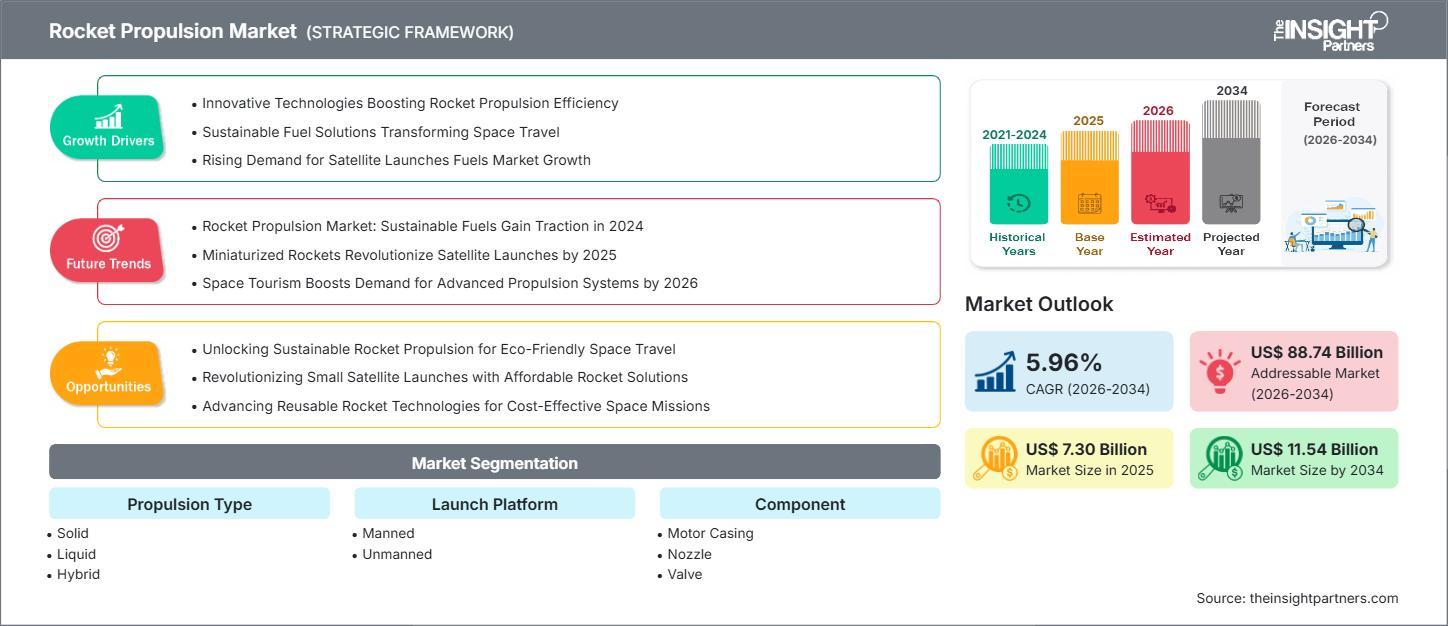
The Rocket Propulsion Market Size is projected to reach US$ 7.30 Billion in 2025 and is expected to reach US$ 11.54 Billion by 2034. The market is expected to register a CAGR of 5.96% during the forecast period. Market Overview Rocket propulsion is a core enabling technology for space launch vehicles, defense missiles, and exploratory...
Cricket betting has evolved from a casual pastime into a strategic pursuit for thousands of fans. With platforms like Mahadev Book, players now have access to detailed markets, live odds, and a smooth interface that makes betting not only exciting but potentially profitable. But winning consistently is not about luck — it’s about understanding the game, planning your bets, and using...