


Does Exosome Therapy Work for Telogen Effluvium?
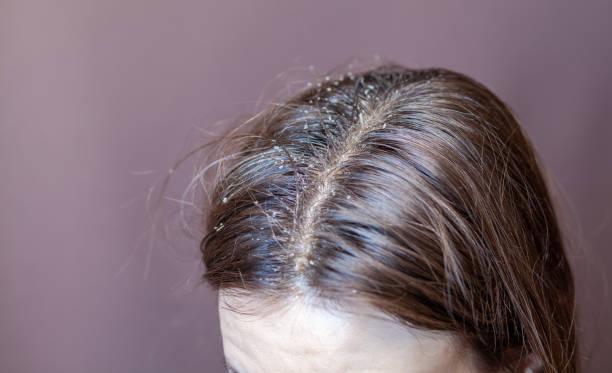
Telogen effluvium is one of the most common types of temporary hair loss, often triggered by stress, illness, hormonal changes, or nutritional deficiencies. It causes a large number of hair follicles to prematurely enter the resting phase, leading to noticeable shedding. With the rise of regenerative medicine, many people are exploring exosomes for hair as a modern option to support scalp recovery and encourage healthy regrowth.
Patients considering Exosomes Therapy for Hair Loss in Riyadh often want to know whether it can help with telogen effluvium. Since this condition is usually reversible, treatments that support follicle recovery and scalp health may play a helpful role in speeding up the return to normal hair growth cycles.
Understanding Telogen Effluvium
Telogen effluvium is a diffuse hair shedding condition rather than patchy baldness. It affects the overall density of hair across the scalp.
Common Causes
- Physical or emotional stress
- Fever or illness
- Hormonal changes (postpartum, thyroid imbalance)
- Nutritional deficiencies (iron, vitamin D, protein)
- Major surgery or trauma
- Certain medications
How It Affects Hair Growth
- More hairs enter the resting (telogen) phase
- Increased daily shedding
- Overall thinning of hair volume
- Usually temporary if the cause is treated
Can Exosome Therapy Work for Telogen Effluvium?
Yes, exosome therapy may help improve telogen effluvium by supporting follicle recovery and encouraging the hair growth cycle to return to normal. However, it works best when the underlying cause is also addressed.
How Exosomes Help in Telogen Effluvium
Exosomes contain growth factors and signaling molecules that support cellular repair and regeneration.
Reactivating Hair Growth Cycle
Exosomes may help push hair follicles back into the active growth (anagen) phase more quickly.
Reducing Inflammation
If scalp inflammation is contributing to shedding, exosomes may help calm the environment.
Strengthening Weak Follicles
They support follicle health, making hair strands stronger as they regrow.
Improving Scalp Circulation
Better blood flow helps deliver nutrients needed for recovery.
Effectiveness in Acute Telogen Effluvium
Acute telogen effluvium usually lasts a few months and often resolves naturally.
How Exosomes May Help
- May shorten recovery time
- May reduce excessive shedding
- Supports faster return to normal density
Effectiveness in Chronic Telogen Effluvium
Chronic cases last longer and may require more comprehensive care.
Possible Benefits
- Supports ongoing follicle stimulation
- Improves scalp health over time
- Helps stabilize hair shedding patterns
What Exosome Therapy Cannot Do
It is important to understand the limitations of treatment.
Key Limitations
- Does not treat the underlying cause directly
- Cannot work alone if deficiency or illness persists
- Requires supportive lifestyle or medical management
Timeline for Results
Hair regrowth in telogen effluvium takes time, even with treatment.
Early Phase (Weeks 1–4)
- Reduced shedding may begin
- Scalp condition improves
Middle Phase (1–3 Months)
- New hair growth starts
- Improved hair texture
Later Phase (3–6 Months)
- Noticeable density recovery
- More stable hair cycle
Who Benefits Most?
Exosome therapy may be helpful for certain individuals with telogen effluvium.
Ideal Candidates Include
- Post-stress or post-illness hair loss
- Postpartum hair shedding
- Mild to moderate diffuse thinning
- Patients with healthy but inactive follicles
Factors That Affect Results
Several factors influence how well exosome therapy works.
Underlying Cause
Treating the root trigger is essential for recovery.
Overall Health
Nutritional status and hormonal balance play a key role.
Timing of Treatment
Early intervention often leads to better results.
Scalp Condition
A healthy scalp responds better to regenerative therapy.
Can Exosome Therapy Be Combined With Other Treatments?
Yes, combination approaches are often more effective.
Common Additions
- Nutritional supplements (iron, vitamin D)
- PRP therapy
- Medical evaluation and hormone correction
- Stress management strategies
Why Exosome Therapy Is Considered Helpful
Even though telogen effluvium often resolves naturally, exosomes may accelerate recovery.
Key Benefits
- Non-surgical approach
- Supports natural hair regrowth
- Improves follicle recovery environment
- May reduce shedding duration
Importance of Addressing the Root Cause
Exosome therapy works best when combined with treating the underlying trigger.
Examples
- Correcting iron deficiency
- Managing thyroid disorders
- Reducing stress levels
- Improving diet and nutrition
Professional Evaluation Is Essential
A proper diagnosis ensures the right treatment plan.
What Specialists Assess
- Pattern of hair shedding
- Medical history
- Blood tests (if needed)
- Scalp condition
Restore Healthy Hair Growth Naturally
If you are experiencing diffuse hair shedding, Exosomes Therapy for Hair Loss in Riyadh may help support follicle recovery and encourage faster return to normal hair growth in cases of telogen effluvium. At Royal Clinic Saudia, advanced hair restoration treatments are designed to improve scalp health and promote natural regrowth through personalized regenerative care. Book your consultation today to explore a supportive solution for hair shedding concerns.
FAQs:
Can exosome therapy treat telogen effluvium?
Yes, it may help support recovery and reduce shedding, especially when combined with addressing the underlying cause.
How long does telogen effluvium take to improve with treatment?
Improvement is usually seen within 2 to 6 months depending on the cause and response.
Is exosome therapy enough on its own for telogen effluvium?
Not always—treating the underlying trigger is also important for full recovery.
Does exosome therapy stop hair shedding immediately?
It may gradually reduce shedding, but results are not immediate.
Kategoriler
Read More
The Growing Importance of SEO for Local Businesses Search Engine Optimization (SEO) is the process of improving your website’s visibility on search engines like Google. When potential customers search for products or services related to your business, your website should appear at the top of search results. A trusted SEO Agency in Gorakhpur understands local market trends, customer...

Regional Overview of Executive Summary Glass Mat Market by Size and Share The global glass mat market size was valued at USD 1.30 billion in 2024 and is expected to reach USD 1.91 billion by 2032, at a CAGR of 4.97% during the forecast period. A consistent market research report like Glass Mat Market report extends reach to the success in the...

A thick, vibrant green lawn is the ultimate crown jewel of any residential or commercial property, instantly establishing premium curb appeal and welcoming guests with a sense of natural luxury. However, achieving a flawless turf canopy through traditional seeding or cheap store-bought grass patches is an unpredictable, backbreaking gamble. Natural weather shifts, intense summer heat waves,...
"According to the latest report published by Data Bridge Market Research, the Ethylene-Vinyl Alcohol Copolymer (EVOH) Packaging Films Market Global ethylene-vinyl alcohol copolymer (EVOH) packaging films market is expected to gain significant growth in the forecast period of 2022 to 2029. Data Bridge Market Research analyses that the market is growing with a CAGR of 5.0% in the...

Mancode is specially crafted for modern men who believe that grooming is a part of confidence and personality. From refreshing face washes and nourishing beard care to long-lasting fragrances and skincare essentials, every product is designed to keep you feeling fresh, clean, and energized all day. Official Facebook...