


Fresh Roasted Peaberry Coffee Delivered to You
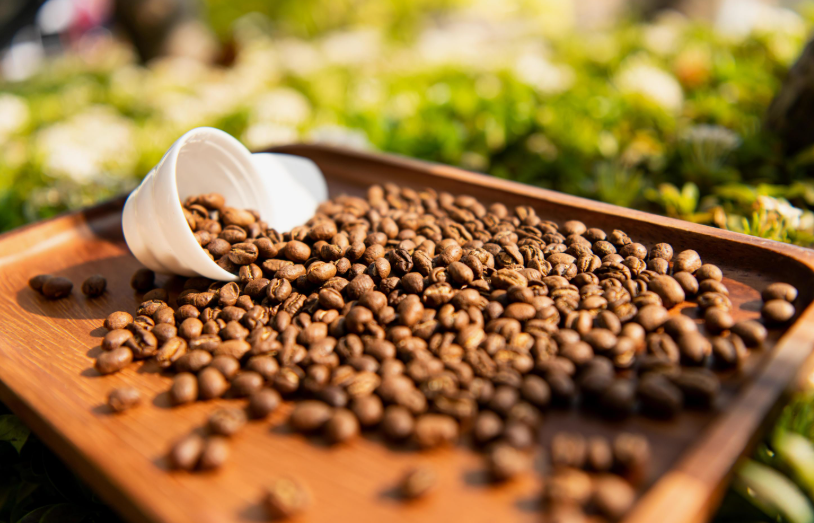
The biological origin of the single seed bean is a fascinating departure from the standard development of the coffee fruit. In a typical cherry, two seeds grow side by side, creating the familiar flat surfaced bean seen in most commercial bags. However, a natural mutation occurs in a small percentage of the harvest where only one ovule is fertilized. This lack of a sibling allow the remaining seed to expand into a rounded, oval shape that occupies the entire interior of the fruit. This physical transformation results in a significantly higher density compared to standard beans. Because the tree directs all its available nutrients and sugars into one seed rather than two, the chemical composition of the resulting harvest is concentrated. This rarity is not limited to a specific variety but can be found across various cultivars, though it is most highly sought after in the volcanic soils of high altitude regions where the slow maturation process further enhances the complexity of the bean.
The Science of Uniform Thermal Heat Transfer during Roasting
The physical geometry of the bean is more than just a visual curiosity; it plays a critical role in how the product reacts to heat during the roasting cycle. Traditional flat sided beans can often present challenges in the roasting drum because their shape causes them to sit still or slide rather than roll. This lack of movement can lead to uneven heat absorption or localized charring on the flat surfaces. The spherical nature of peaberry coffee allows the beans to tumble with exceptional fluidity within the roasting chamber. This constant motion ensures that every part of the seed surface makes contact with the hot air and the drum walls in a uniform manner. This consistency is vital for developing the internal sugars without burning the exterior. Roasters are able to achieve a more precise profile, bringing out the bright acidity and delicate floral notes that might be lost in a less uniform batch. The result is a roast that is clean, balanced, and free from the bitter compounds generated by inconsistent thermal exposure.
Sensory Profiles and Aromatic Complexity of Concentrated Harvests
The tasting notes of these specialized beans are often described as a more intense version of the standard crop from the same farm. Because the single bean has absorbed the full nutritional output of the cherry, the acidity tends to be much more vibrant and the sweetness more pronounced. Many cuppers note a distinct citrus or stone fruit brightness that is complemented by a silken body. The higher density of the seed also means that the essential oils are more concentrated, leading to a lingering finish and a powerful aroma that fills the room upon brewing. In volcanic regions, these beans often take on a spicy or honeyed undertone that is unique to the mineral rich soil. The lack of a flat surface area also helps the bean retain its freshness longer after roasting, as there are fewer edges for oxidation to begin the degradation process. This makes the final cup a sophisticated experience for those who prioritize clarity and a multi layered flavor journey in their morning ritual.
Mechanical Sorting and the Labor of Selective Grading
Bringing this unique product to the consumer requires an intensive secondary processing phase that standard beans do not undergo. Since these rounded beans grow randomly on the trees alongside standard cherries, they must be separated through a rigorous grading process after the milling is complete. Large mechanical screens with circular perforations are utilized to sift the harvest. The smaller, round beans fall through the specialized holes while the larger flat beans remain above. This mechanical separation is often followed by hand sorting to ensure that any defects or misshapen beans are removed from the premium lot. This additional labor adds significant time to the production schedule and requires a high level of expertise from the mill workers. Because only about five percent of a total harvest yields these single seeds, the scarcity combined with the labor intensive sorting creates a product that is regarded as a rare treasure in the specialty market. This dedication to selective grading ensures that only the most uniform and high quality seeds make it into the final package.
Optimizing Extraction Methods for Dense Specialty Beans
To unlock the full potential of a dense and rounded bean, the brewing technique must be adjusted to account for its unique structure. Standard brewing parameters may not always penetrate the hard, compact cells of a high altitude peaberry as effectively as they do with softer beans. Many enthusiasts find that a slightly finer grind and a longer pre infusion period allow the water to fully saturate the grounds and extract the concentrated sugars. Pour over methods using a paper filter are particularly effective at highlighting the bright acidity and clean finish of the roast. The water temperature should be carefully managed, ideally resting between one hundred and ninety five and two hundred and five degrees Fahrenheit, to avoid over extraction. For those who enjoy a heavier mouthfeel, an immersion brewer can emphasize the rich chocolatey undertones and the syrupy body that these beans develop when given ample contact time with water. Regardless of the method, using freshly filtered water and a high quality burr grinder will ensure that the delicate nuances of the volcanic terroir are fully realized in the cup.
Artisanal Cultivation at the Buddhas Cup Estate
The journey of premium Hawaiian coffee is defined by the specific microclimates and traditional farming practices found at buddhas cup. This estate focuses on a hand crafted approach to agriculture, ensuring that every tree on the volcanic slopes is given individual attention to promote optimal health and cherry development. By maintaining a closed loop system from the nursery to the final roasting facility, the estate can guarantee a level of purity and consistency that is rare in the global market. The commitment to artisanal milling and sun drying on traditional decks allows the natural flavors of the island to flourish without the interference of industrial machinery. Every batch is treated with a level of reverence that reflects the rich history of the region and the dedication of the growers. Exploring the diverse offerings of this estate provides an opportunity to experience the true essence of high altitude farming where the mineral rich soil and tropical air combine to create a beverage of unparalleled quality and character.
Conclusion
The allure of a single seed bean lies in the perfect harmony of botanical mutation and meticulous human craftsmanship. By understanding the biological reasons for the rounded shape and the resulting concentration of flavor, consumers can better appreciate the value of this rare specialty item. The technical advantages of the roasting process combined with the vibrant sensory profiles make it a favorite for those seeking a smooth and complex experience. Although the sorting and grading requirements demand significantly more labor and attention to detail, the final product offers a level of clarity and sweetness that standard harvests rarely achieve. Investing in a product that is grown with respect for the environment and processed with artisanal care ensures that the traditions of excellence continue to thrive. As the world of specialty beverages expands, these unique and dense seeds remain a definitive benchmark for what is possible when nature and expertise work in tandem.
Kategoriler
Read More
"What’s Fueling Executive Summary Pharmaceutical Blister Packaging Market Size and Share Growth The global Pharmaceutical Blister Packaging market was valued at USD 7.71 billion in 2024 and is expected to reach USD 11.92 billion by 2032 During the forecast period of 2025 to 2032 the market is likely to grow at a CAGR of 5.60%, primarily driven by the...

The IPL 2026 match between Chennai Super Kings (CSK) and Kolkata Knight Riders (KKR) is going to be an exhilarating experience, and Dafabet assists users to research on organized match information in an understandable manner. As both teams are gearing up to play this significant match at MA Chidambaram Stadium, Chennai, it is necessary to know the pitch conditions, team formations, and...

The shadowy realm of digital conflict thrives on ambiguity. When sophisticated cyber campaigns surface, pinpointing the true architect is notoriously difficult. A state may be implicated by the attack's origin, yet definitive proof of government orchestration remains elusive. This persistent 'attribution problem' defines modern cyber hostilities. Incidents against nations like Estonia or...

"Comprehensive Outlook on Executive Summary Interface IP Market Size and Share CAGR Value The global interface IP market size was valued at USD 2.91 billion in 2024 and is expected to reach USD 6.86 billion by 2032, at a CAGR of 11.30% during the forecast period Interface IP Market research report is generated with the best and advanced tools of...

A new growth forecast report titled Fogless Mirror Market Share, Size, Trends, Industry Analysis Report, By Type (Stable and Portable); By Application; By Shape; By Distribution Channel; By Region; Segment Forecast, 2023 - 2032 introduced by Polaris Market Research represents conclusive data on the overall market. It majorly targets to provide a detailed analysis of growth factors,...