


Best Small Animal Treats for Rabbits, Hamsters, and Guinea Pigs
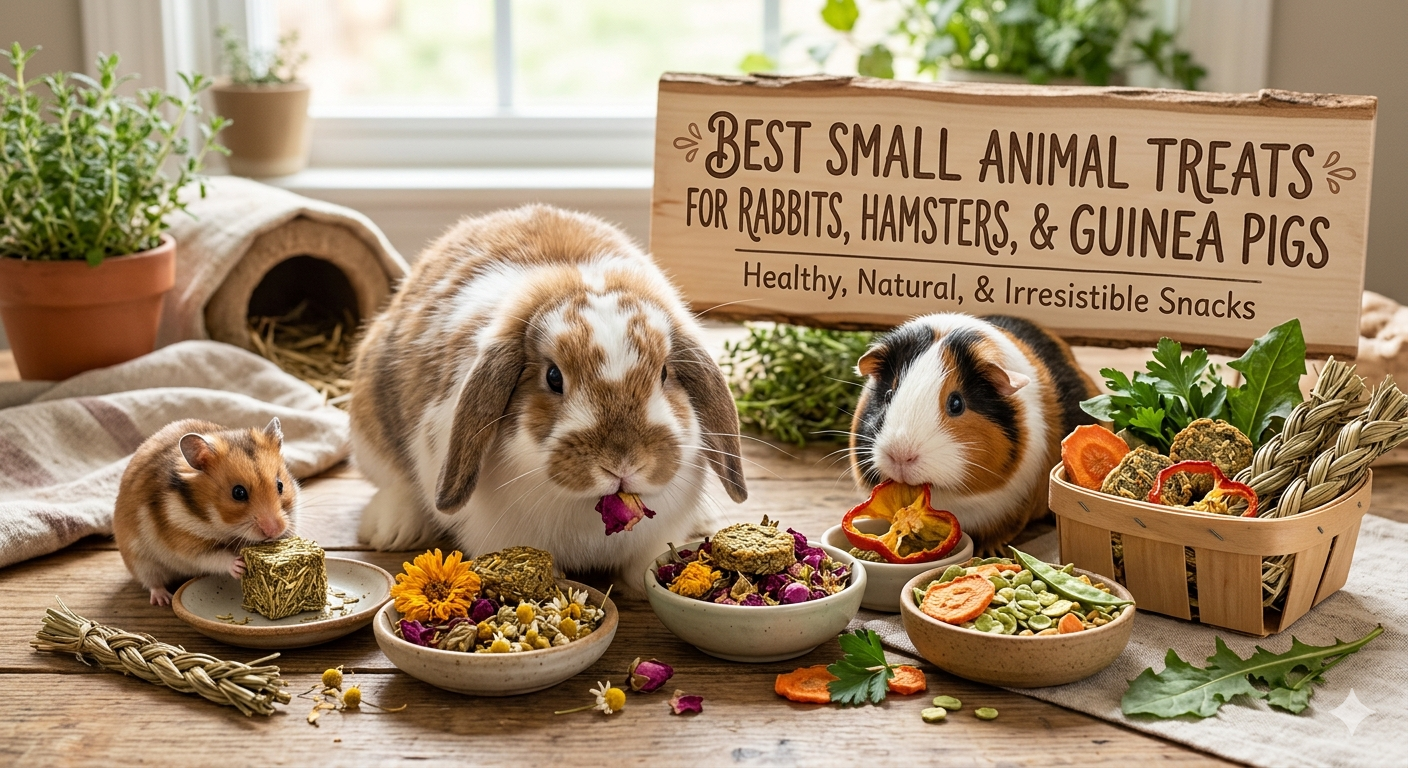
Small pets like rabbits, hamsters, and guinea pigs may be tiny, but they still need proper nutrition to stay healthy and active. Along with their regular diet, healthy treats can play an important role in supporting energy, digestion, mental stimulation, and bonding with pet owners. Choosing the right small animal treats helps provide variety while also keeping your pets happy and engaged.
Many pet owners enjoy rewarding their pets with snacks, but not every treat available in stores is healthy. Some products contain too much sugar, artificial ingredients, or unhealthy fillers. That’s why understanding how to choose safe and nutritious treats for small animals is very important.
Along with treats, a balanced diet that includes quality small animal food, fresh vegetables, hay, and clean water is essential for long-term health. In this guide, we’ll explore the best treats for rabbits, hamsters, and guinea pigs, how to choose healthy options, and how treats fit into a balanced food for small pets routine.
Why Treats Matter for Small Pets
Treats are more than just snacks. When given properly, they can improve a pet’s daily routine and support emotional well-being.
Healthy small animal treats can help:
- Encourage activity and play.
- Support training and bonding
- Provide mental stimulation
- Add variety to the diet.
- Reward positive behavior
However, treats should always be given in moderation alongside balanced small pet food.
Understanding the Nutritional Needs of Small Pets
Different small animals have different dietary requirements.
Rabbits
Rabbits need a high-fiber diet mainly based on hay.
Main Diet Includes:
- Timothy hay
- Fresh leafy greens
- Pellets
- Fresh water
Healthy treats for small animals, such as rabbits, should be low in sugar and high in fiber.
Guinea Pigs
Guinea pigs require vitamin C in their daily diet.
Main Diet Includes:
- Hay
- Vitamin C-rich vegetables
- Guinea pig pellets
Nutritious small animal food helps guinea pigs maintain healthy digestion and immunity.
Hamsters
Hamsters are omnivores and enjoy both plant and protein-based foods.
Main Diet Includes:
- Seeds
- Grains
- Vegetables
- Small protein sources
Healthy food for small pets should provide balanced nutrients without excessive fat or sugar.
Best Small Animal Treats for Rabbits
Rabbits enjoy natural, crunchy, and fiber-rich snacks.
Fresh Vegetables
Many vegetables make excellent small animal treats for rabbits.
Safe Options Include:
- Carrot tops
- Romaine lettuce
- Cilantro
- Bell peppers
Fresh vegetables support hydration and digestion.
Small Fruit Pieces
Fruit should be given only occasionally due to its natural sugar content.
Safe Fruit Treats:
- Apple slices
- Blueberries
- Strawberries
These treats are enjoyable but should not replace regular small animal food.
Hay-Based Treats
Hay treats help support healthy digestion and dental health.
These are often among the healthiest treats for small animals, such as rabbits.
Best Small Animal Treats for Guinea Pigs
Guinea pigs enjoy many of the same healthy treats as rabbits.
Vitamin C-Rich Vegetables
Vitamin C is extremely important for guinea pigs.
Good Choices Include:
- Bell peppers
- Kale
- Parsley
- Broccoli
Fresh vegetables are healthy additions to daily food for small pets routines.
Herbal Treats
Dried herbs provide natural flavor and enrichment.
Popular Herbal Treats:
- Chamomile
- Dandelion leaves
- Mint
Natural herbs are safer than sugary commercial snacks.
Healthy Pellet Treats
Some specially designed pellet treats contain extra fiber and vitamin C.
Choose products with natural ingredients and avoid artificial additives.
Best Small Animal Treats for Hamsters
Hamsters enjoy a mix of crunchy, chewy, and protein-rich snacks.
Seeds and Nuts
Small amounts of seeds can make excellent rewards.
Safe Options Include:
- Pumpkin seeds
- Sunflower seeds
- Unsalted peanuts
These treats should be given carefully because they are high in fat.
Fresh Vegetables
Hamsters enjoy small vegetable pieces.
Good Choices Include:
- Cucumber
- Carrots
- Broccoli
- Spinach
Fresh vegetables help add variety to regular small pet food diets.
Protein Treats
Hamsters occasionally enjoy protein-based treats.
Examples Include:
- Mealworms
- Boiled egg pieces
- Plain cooked chicken
Balanced protein supports healthy hamster activity levels.
Choosing Healthy Small Animal Treats
Not all commercial treats are equally healthy.
Look for Natural Ingredients
The best small animal treats contain simple and natural ingredients.
Avoid products with:
- Artificial colors
- Excess sugar
- Honey coatings
- Unnecessary preservatives
Avoid Too Much Sugar
Many colorful pet treats contain excessive amounts of sugar.
Too much sugar may lead to:
- Obesity
- Dental problems
- Digestive issues
Healthy treats for small animals should always be low in sugar.
Choose Fiber-Rich Options
Fiber is essential for rabbits and guinea pigs.
Hay-based snacks are often safer than sugary treats.
Read Ingredient Labels Carefully
Good-quality small animal food products usually contain clear ingredient lists with natural ingredients.
Importance of Moderation
Even healthy treats should only make up a small part of the diet.
Too many treats may lead to:
- Weight gain
- Poor digestion
- Selective eating habits
Balanced food for small pets should always remain the main diet source.
Homemade Treat Ideas for Small Pets
Many owners enjoy preparing homemade treats.
Simple Rabbit and Guinea Pig Treats
Ideas Include:
- Dried herb mixes
- Hay balls
- Frozen vegetable bites
Simple Hamster Treats
Ideas Include:
- Seed sticks
- Tiny vegetable cubes
- Oat-based snacks
Homemade treats allow better control over ingredients and nutrition.
Foods to Avoid for Small Pets
Some foods may be dangerous for rabbits, guinea pigs, and hamsters.
Unsafe Foods Include:
- Chocolate
- Onion
- Garlic
- Sugary candy
- Processed snacks
Always research new foods before adding them to your pet’s diet.
Benefits of Healthy Small Animal Treats
Choosing nutritious small animal treats provides several important benefits.
Key Benefits Include:
- Better mental stimulation
- Improved bonding
- Healthier digestion
- Increased activity
- Better diet variety
Healthy treats can improve both physical and emotional well-being.
Signs Your Pet May Need Dietary Changes
Poor diets often cause visible health problems.
Warning Signs Include:
- Weight gain
- Low activity
- Poor appetite
- Digestive problems
- Dull fur
Improving small pet food quality and reducing unhealthy treats can help improve overall health.
Tips for Feeding Treats Safely
Safe feeding habits are important for small pets.
Introduce New Foods Slowly
Sudden diet changes may upset digestion.
Wash Fresh Produce
Always clean vegetables and fruits before feeding.
Remove Uneaten Treats
Fresh foods left too long may spoil quickly.
Provide Fresh Water Daily
Healthy hydration supports digestion and overall wellness.
Final Thoughts
Choosing healthy small animal treats is an important part of caring for rabbits, guinea pigs, and hamsters. Safe treats provide enrichment, improve bonding, and add variety to daily feeding routines. However, treats should always be balanced with proper small animal food and offered in moderation.
Whether you are selecting natural vegetables, hay-based snacks, or homemade goodies, focusing on nutritious food for small pets helps support better digestion, healthier activity levels, and long-term wellness.
By understanding your pet’s dietary needs and choosing healthy treats for small animals, you can help your small pets stay active, happy, and healthy for years to come.
FAQs
1. What are the healthiest small animal treats?
Natural vegetables, hay-based snacks, and dried herbs are among the healthiest small animal treats.
2. Can rabbits and guinea pigs eat fruit every day?
Fruit should be given only occasionally because excessive sugar can cause health problems.
3. What is the best food for small pets?
The best food for small pets includes hay, fresh vegetables, species-specific pellets, and fresh water.
4. Are commercial treats for small animals safe?
Some are safe, but always check ingredient labels and avoid products with excessive sugar or artificial additives.
5. How often should small pets receive treats?
Treats should make up only a small portion of the diet and be given in moderation.
Κατηγορίες
Διαβάζω περισσότερα
Precision Oncology Market to Reach USD 198.6 Billion by 2033 at 10.8% CAGR | Future of Healthcare Accelerates Through AI-Driven Diagnostics, Precision Medicine Boom The global Precision Oncology Market is entering a transformative phase as healthcare systems worldwide rapidly adopt personalized medicine, AI-powered diagnostics, genomics-based therapies, and digital healthcare...

"Homeopathy Products Market Summary: According to the latest report published by Data Bridge Market Research, the Homeopathy Products Market The homeopathy products market size was valued at USD 9.63 billion in 2024 and is projected to reach USD 26.01 billion by 2032, with a CAGR of 13.22% during the forecast period of 2025 to 2032. The data, information, statistics, facts and figures...

Get dependable cab service in Ambala for local rides and outstation trips. Affordable pricing, clean cars, experienced drivers, and 24/7 availability.

Cloud Computing Classes in Pune The" stylish" language for the Cloud is lower about a single winner and further about what you’re trying to make. Because all surroundings are different — ranging from bitsy serverless functions to massive data channels — different languages dominate specific niches. Then the breakdown of the top contenders is grounded on how they're...

" According to the latest report published by Data Bridge Market Research, the Integrated Passive Device Market The global integrated passive device market size was valued at USD 2.01 billion in 2025 and is expected to reach USD 4.21 billion by 2033, at a CAGR of 9.65% during the forecast period With the use of integrated approaches and latest technology...
