Transform Damaged Teeth into a Healthy, Beautiful Smile with Dental Crowns
Transform Damaged Teeth into a Healthy, Beautiful Smile with Dental Crowns
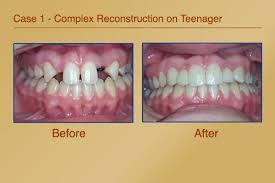
A bright, healthy smile can boost your confidence and improve your overall quality of life. However, damaged teeth caused by decay, injury, fractures, or wear and tear can affect both your appearance and oral health. When teeth become weak or damaged, it is important to seek treatment before the condition worsens. One of the most effective ways to restore damaged teeth and achieve a healthy, beautiful smile is through dental crowns.
Dental crowns are a trusted restorative dental treatment that helps rebuild damaged teeth, strengthen their structure, and improve their appearance. They provide long-lasting protection while preserving your natural teeth, making them an excellent solution for both functional and cosmetic dental concerns.
What Are Dental Crowns?
A dental crown is a custom-made cap that completely covers the visible portion of a damaged or weakened tooth. It is designed to restore the tooth’s shape, size, strength, and appearance while protecting it from further damage.
Modern dental crowns are carefully crafted to match the color and shape of your natural teeth, ensuring a seamless and attractive result. Once placed, they function just like natural teeth and allow you to eat, speak, and smile with confidence.
Why Teeth Become Damaged
Teeth can become damaged for many reasons, including:
- Severe tooth decay
- Cracked or fractured teeth
- Sports injuries and accidents
- Teeth grinding (bruxism)
- Large fillings that weaken the tooth
- Worn enamel due to aging
- Root canal treatment
Without proper treatment, damaged teeth can lead to pain, sensitivity, infection, and even tooth loss. Dental crowns provide a reliable way to restore and protect these teeth.
How Dental Crowns Transform Damaged Teeth
Restoring Strength
A damaged tooth often loses its natural strength and becomes more vulnerable to fractures. Dental crowns reinforce the tooth by covering it with a strong, durable layer.
This restored strength allows the tooth to function normally during everyday activities such as eating and speaking.
Rebuilding Tooth Structure
When a tooth has lost a significant amount of its structure due to decay or injury, a crown rebuilds its original shape and size.
This restoration improves both the functionality and appearance of the tooth.
Protecting Against Future Damage
Dental crowns act as a protective shield that covers the entire visible portion of the tooth. This barrier helps prevent bacteria, decay, and physical stress from causing additional damage.
Supporting Root Canal-Treated Teeth
Teeth that have undergone root canal therapy often become weaker after treatment. Dental crowns provide essential protection and support, helping to prevent fractures and extend the life of the tooth.
Creating a Healthy Smile
Preserving Natural Teeth
One of the greatest benefits of dental crowns is their ability to save natural teeth. Rather than removing a damaged tooth, a crown restores and protects it.
Preserving natural teeth helps maintain proper bite alignment and overall oral health.
Improving Oral Function
Damaged teeth can make chewing difficult and uncomfortable. Dental crowns restore normal chewing ability and improve speech by restoring the tooth’s natural shape and strength.
Reducing Sensitivity
Exposed or damaged teeth may become sensitive to hot, cold, or sweet foods. A crown covers vulnerable areas and helps reduce sensitivity, making daily activities more comfortable.
Preventing Dental Problems
By protecting weakened teeth, crowns help reduce the risk of future fractures, infections, and tooth loss.
Enhancing the Beauty of Your Smile
Natural Appearance
Modern dental crowns are designed to closely resemble natural teeth. Dentists carefully match the crown’s color, shape, and size to surrounding teeth for a seamless appearance.
Correcting Cosmetic Concerns
Dental crowns can improve:
- Chipped teeth
- Cracked teeth
- Discolored teeth
- Misshapen teeth
- Worn-down teeth
These improvements help create a more attractive and balanced smile.
Boosting Self-Confidence
A healthy smile can positively affect your self-esteem. Dental crowns restore the appearance of damaged teeth, helping patients feel more confident in social and professional situations.
Types of Dental Crowns
Several materials are available for dental crowns.
Porcelain Crowns
Porcelain crowns offer excellent aesthetics and are commonly used for front teeth.
Ceramic Crowns
Ceramic crowns provide a natural appearance and are an excellent metal-free option.
Metal Crowns
Metal crowns are highly durable and ideal for back teeth where strength is most important.
Porcelain-Fused-to-Metal Crowns
These crowns combine the durability of metal with the appearance of porcelain.
Zirconia Crowns
Zirconia crowns are known for their strength, longevity, and natural appearance, making them one of the most popular choices today.
The Dental Crown Procedure
Getting a dental crown usually requires two appointments.
First Appointment
During the initial visit:
- The dentist examines the tooth.
- Damaged areas are removed.
- The tooth is reshaped.
- Impressions are taken.
- A temporary crown may be placed.
Second Appointment
Once the permanent crown is ready:
- The temporary crown is removed.
- The crown is checked for fit and appearance.
- Necessary adjustments are made.
- The crown is permanently bonded to the tooth.
After placement, the crown feels comfortable and functions naturally.
Caring for Your Dental Crown
To keep your crown in excellent condition:
- Brush your teeth twice daily.
- Floss regularly.
- Avoid chewing hard objects.
- Wear a nightguard if you grind your teeth.
- Visit your dentist regularly for checkups and cleanings.
Proper oral hygiene helps maintain the health of both the crown and the underlying tooth.
Conclusion
Dental crowns are a highly effective solution for transforming damaged teeth into a healthy, beautiful smile. They restore strength, rebuild tooth structure, improve oral function, and enhance appearance. By protecting weakened teeth and preserving natural tooth structure, crowns contribute to long-term oral health and confidence.
الأقسام
إقرأ المزيد
NEWARK, DELAWARE | April 2, 2026 — The demand for bread crumbs in the United States is entering a steady growth phase, supported by expanding foodservice operations and evolving consumer preferences for premium textures and convenience cooking. Valued at USD 400 million in 2025, the market is projected to reach USD 425.60 million in 2026 and is forecast to expand to USD...

Cricket fans from across India eagerly await every IPL season. Users are now looking for faster and smoother methods to stay connected during live games. This is the reason why Winmatch365 is beginning to gain interest from cricket fans who want easy access and quick navigability as well as mobility. With the rising need for reliable platforms for cricket, Winmatch365 is focused...

The New Holland 3630 TX Special Edition is a dependable and performance-focused tractor designed to meet the daily needs of Indian farmers. Known for its balanced power, smooth operation, and durable build quality, this tractor performs efficiently across a wide range of agricultural tasks such as ploughing, sowing, harvesting, and haulage. Powered by a 49.5 HP engine operating at 2100 RPM, the...

The Europe Japanese Restaurant Market has emerged as one of the fastest-growing segments within the region’s foodservice industry. Driven by increasing consumer exposure to global cuisines, rising health consciousness, and the premium positioning of Japanese food, Japanese restaurants have transitioned from niche dining concepts to mainstream culinary destinations across Europe....

If you are a homeowner in Berwyn, Illinois, your concrete surfaces play a major role in your property’s safety, appearance, and value. From driveways and sidewalks to patios and garage slabs, concrete is exposed to constant stress from weather, heavy loads, and time. That’s why professional concrete install & repair in Berwyn IL services are essential to maintain strong,...