Skin Health: Simple Habits for Naturally Healthy and Glowing Skin
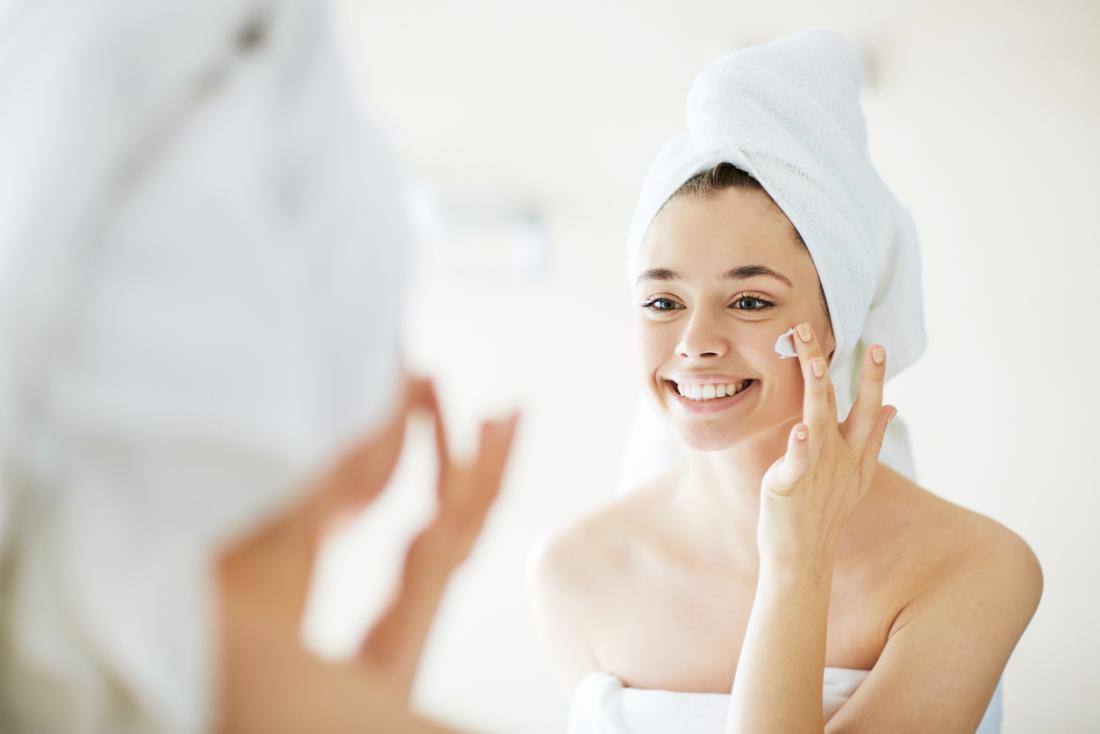
Healthy skin is something many people want because it helps us feel confident, comfortable, and refreshed. Skin is not only about beauty or appearance—it is the body’s largest organ and serves as a protective barrier against pollution, bacteria, sunlight, and environmental damage. Healthy skin supports overall wellness and reflects how well we care for our bodies from the inside and outside.
Maintaining good skin health does not always require expensive routines or complicated skincare habits. In many cases, small lifestyle improvements can make a noticeable difference. Drinking enough water, eating nutritious foods, sleeping properly, and using healthy skincare habits may support smoother, brighter, and healthier-looking skin over time.
Modern lifestyles often expose people to pollution, stress, poor sleep, unhealthy diets, and excessive screen exposure, all of which may affect skin appearance and comfort. Fortunately, understanding how skin works and learning healthy habits can help people maintain a natural glow and stronger protection for everyday life.
This guide explains practical ways to improve skin wellness naturally through healthy routines, proper nutrition, hydration, stress management, and skincare habits that suit general readers.
Understanding Skin Health
The skin performs several important jobs every day. It protects the body from harmful outside elements, helps regulate body temperature, and supports moisture balance.
Good skin health means your skin feels comfortable, hydrated, balanced, and protected. Healthy skin may look smoother, brighter, and more refreshed. On the other hand, poor skin care habits may sometimes lead to dryness, dullness, irritation, excess oil, or uneven texture.
Skin changes naturally with age, weather, stress, and lifestyle. This is why maintaining healthy daily routines matters more than searching for quick fixes.
Healthy skin may help:
- Improve confidence
- Support comfort and hydration
- Protect against environmental exposure
- Maintain smooth texture
- Promote a natural glow
- Reduce signs of tired-looking skin
The good news is that healthier skin often starts with simple habits repeated consistently.
Common Factors That Affect Skin
Many everyday habits influence how skin looks and feels.
Poor Diet Choices
Food affects the body, and the skin often reflects internal wellness.
Highly processed foods, excess sugar, and poor nutrition may contribute to tired-looking or dull skin.
A balanced diet with fruits, vegetables, healthy fats, and protein may help support stronger skin wellness.
Lack of Sleep
Sleep is one of the most overlooked factors affecting appearance.
Poor sleep may sometimes contribute to:
- Tired-looking skin
- Dryness
- Puffiness around the eyes
- Uneven skin appearance
During sleep, the body repairs itself, making quality rest important for long-term wellness.
Stress
Stress may influence skin comfort in different ways. Emotional pressure sometimes contributes to dullness, tired-looking skin, or temporary irritation.
Managing stress through relaxation and healthy habits may support overall skin health.
Sun Exposure
Spending too much time in direct sunlight without proper care may affect the skin’s appearance over time.
Protective habits may help support comfort and balance.
Dehydration
Skin needs hydration to maintain softness and flexibility.
Not drinking enough water may sometimes contribute to dryness or a tired appearance.
Daily Habits for Better Skin Health
Simple habits often work better than overly complicated routines.
Drink More Water
Hydration plays an important role in supporting healthy-looking skin.
Water may help support:
- Moisture balance
- Smoother texture
- Better freshness
- Comfortable skin appearance
Try drinking water consistently throughout the day rather than waiting until you feel thirsty.
Follow a Gentle Cleansing Routine
Cleaning the skin helps remove dirt, sweat, and environmental buildup.
Helpful tips include:
- Wash the face gently
- Avoid over-scrubbing
- Use lukewarm water
- Keep routines simple
Harsh cleaning habits may sometimes irritate the skin.
Eat Skin-Friendly Foods
Healthy eating may support overall body wellness and healthier-looking skin.
Good foods include:
Fruits Rich in Vitamins
Examples include:
- Oranges
- Strawberries
- Papaya
- Watermelon
- Kiwi
Green Vegetables
Leafy greens contain nutrients that support body wellness.
Examples:
- Spinach
- Kale
- Broccoli
- Cabbage
Healthy Fats
Healthy fats may support moisture balance.
Examples include:
- Nuts
- Seeds
- Olive oil
- Avocados
Protein Sources
Protein supports body repair.
Examples include:
- Eggs
- Fish
- Lentils
- Beans
Balanced nutrition can support stronger skin health over time.
Sleep and Skin Wellness
Many people underestimate how much sleep influences appearance.
During sleep, the body naturally repairs itself.
Poor sleep habits may contribute to:
- Dull-looking skin
- Dryness
- Dark circles
- Uneven appearance
Better sleep habits include:
- Maintaining a bedtime routine
- Sleeping enough hours
- Avoiding screens before bed
- Creating a comfortable sleeping environment
Small sleep improvements may help support refreshed-looking skin.
Stress and Its Impact on Skin
Stress affects more than emotions.
When stress levels increase, some people notice changes in how their skin looks or feels.
Helpful relaxation methods include:
Meditation
Meditation supports relaxation and calmness.
Light Exercise
Movement improves circulation and overall wellness.
Outdoor Walks
Fresh air and movement may help improve mood and relaxation.
Listening to Music
Relaxing activities may help reduce daily pressure.
Managing stress may help support healthier-looking skin naturally.
Skin Care Habits for Different Skin Types
Not everyone has the same skin type, so routines may vary.
Dry Skin
Dry skin may benefit from:
- Gentle cleansing
- Moisture-focused routines
- Avoiding harsh products
Oily Skin
People with oily skin may benefit from:
- Gentle cleansing
- Keeping pores clean
- Avoiding excessive touching of the face
Combination Skin
Combination skin may require balanced care.
Sensitive Skin
Sensitive skin may benefit from gentle habits and avoiding harsh exposure.
Consistency matters more than complicated routines.
Exercise and Skin Health
Exercise benefits the whole body, including the skin.
Movement supports circulation, which helps deliver nutrients throughout the body.
Benefits of exercise may include:
- Improved circulation
- Fresher appearance
- Better overall wellness
- More energy
Activities may include:
- Walking
- Yoga
- Cycling
- Stretching
Regular movement may naturally support stronger skin health.
Seasonal Skin Care Tips
Weather changes often influence the skin.
Summer Care
- Stay hydrated
- Avoid excessive heat exposure
- Keep skin clean
Winter Care
- Support moisture balance
- Drink enough water
- Avoid very hot water
Rainy Season Care
- Maintain cleanliness
- Avoid damp conditions
- Wash skin gently
Simple seasonal adjustments may support skin comfort year-round.
Habits That May Harm Skin Wellness
Some daily habits may negatively affect skin over time.
Avoid or reduce:
- Smoking
- Poor hydration
- Excess sugar intake
- High stress
- Poor sleep habits
- Overwashing the skin
Replacing harmful habits with healthier choices may improve overall appearance.
Natural Wellness Support
Many people explore healthy routines to support glowing skin. Lifestyle habits remain the foundation of better wellness, but some individuals also seek additional support for maintaining appearance and confidence.
For example, Axavive is sometimes mentioned among people exploring beauty and wellness discussions related to healthier-looking skin. However, balanced meals, hydration, sleep, and healthy habits remain the most important foundations for long-term results.
No single solution replaces healthy daily routines.
Skin Health for Teenagers
Teenage years often bring changes because of hormones and lifestyle habits.
Helpful habits include:
- Washing the face gently
- Staying hydrated
- Eating healthy foods
- Avoiding excessive touching of the skin
Healthy habits started early may support long-term wellness.
Skin Health for Adults
Adults often deal with stress, pollution, work pressure, and lack of sleep.
Helpful habits include:
- Following a simple skincare routine
- Staying hydrated
- Managing stress
- Eating balanced meals
Consistency matters.
Skin Health for Older Adults
As people age, skin naturally changes.
Gentle care, hydration, and balanced habits may support smoother and more comfortable skin over time.
Light exercise, proper sleep, and good hydration may also help maintain comfort.
Creating a Daily Routine for Healthy Skin
Healthy routines do not need to feel complicated.
Morning Routine
- Drink water after waking up
- Wash skin gently
- Eat a balanced breakfast
Afternoon Routine
- Stay hydrated
- Eat healthy foods
- Reduce stress
Evening Routine
- Clean the skin gently
- Relax before sleep
- Get proper rest
Small habits repeated daily may support stronger skin health over time.
When to Seek Professional Advice
Sometimes skin concerns may need professional attention.
Consider guidance if you experience:
- Persistent irritation
- Severe dryness
- Ongoing discomfort
- Skin changes that do not improve
Listening to your body matters.
Supporting Better Skin Naturally
Healthy-looking skin often develops through patience and consistency rather than quick solutions.
Simple steps can help:
- Drink more water
- Eat healthy foods
- Sleep better
- Stay active
- Reduce stress
- Follow gentle skincare habits
Some people also discuss wellness options like Axavive alongside healthier routines and self-care practices. However, lifestyle improvements remain the strongest foundation for long-term wellness.
Small habits often lead to meaningful improvements.
Final Thoughts
Healthy skin is about more than appearance. It reflects how we care for our bodies through food, hydration, sleep, stress management, and daily routines. Maintaining better skin health does not need to be complicated. Simple lifestyle improvements and consistent habits may help support smoother, brighter, and healthier-looking skin over time.
Good nutrition, proper hydration, gentle skincare, regular movement, and enough rest all play important roles in supporting healthy skin. Some people also explore wellness discussions involving Axavive alongside healthy living, but true improvement often comes from consistency and better everyday habits.
Taking care of your skin health today may help you feel more refreshed, confident, and comfortable in daily life.
this product is very helpful for this problem.
Κατηγορίες
Διαβάζω περισσότερα
The buzz around Squid Game continues to grow, as it secures its position at the pinnacle of Netflix’s non-English TV rankings once again. With an impressive 58.2 million views this week, the series remains a global sensation, ranking among the top 10 in 93 countries and claiming the number one spot in 91 of them. Its creator, Hwang Dong-hyuk, is celebrating a remarkable milestone, as the...

Understanding Severe Weight Gain as a Medical Condition When Weight Gain Becomes a Serious Health Risk Severe weight gain is not merely a cosmetic concern; it is a complex medical condition that significantly increases the risk of chronic diseases and reduces overall life expectancy. Individuals experiencing extreme weight gain often find that traditional weight-loss methods fail...

Global Post-Consumer Recycled Plastics in Electrical & Electronic Market research report offers a panoramic view of the Post-Consumer Recycled Plastics in Electrical & Electronic market, regulatory framework, and macro- and micro-economic factors that influence the growth of the industry. The report strives to offer authentic information about the Post-Consumer Recycled Plastics in...

Electric SUVs are zooming into the spotlight, offering eco-friendly driving, modern tech, and versatile designs that make them perfect for first-time EV buyers. Whether you're navigating city streets or planning family outings, choosing the right electric SUV means balancing two key factors: battery life (how far you can drive on a single charge) and boot space (how much cargo you can carry)....

Valorant sur Xbox Disponible L'attente est enfin terminée : Valorant est désormais disponible sur Xbox Series X|S. Ce jeu de tir tactique, développé par Riot Games, a bouleversé le monde des jeux de tir compétitifs sur PC. Les amateurs de consoles qui souhaitent s'immerger dans l'univers intense de Valorant peuvent maintenant profiter de cette...