Eye Health: Complete Guide to Better Vision and Long-Term Eye Care
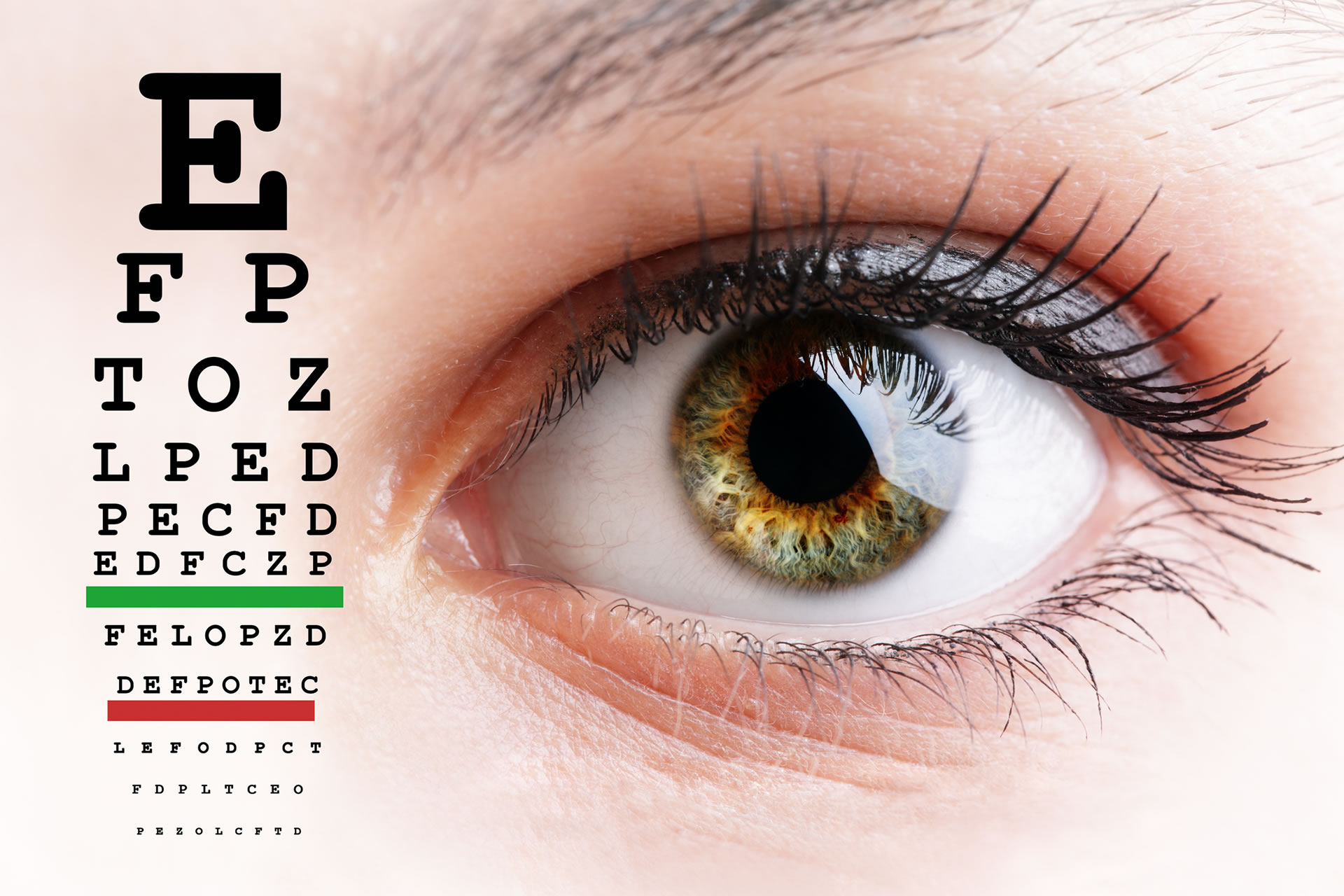
Your eyes are one of the most important organs in your body, helping you experience the world every single day. From reading and driving to working on digital screens and spending time outdoors, healthy vision supports nearly every aspect of life. Yet, many people ignore eye care until discomfort, blurred vision, dryness, or eye strain starts interfering with daily activities.
In today’s digital world, maintaining proper eye health has become more important than ever. Long hours spent on computers, mobile phones, televisions, and tablets can place extra stress on the eyes. Combined with aging, poor nutrition, lack of sleep, and environmental exposure, these factors may gradually affect visual comfort and clarity.
The good news is that maintaining healthy eyes often begins with small, consistent lifestyle habits. Understanding what supports vision and learning how to protect your eyes can make a meaningful difference over time.
Why Eye Health Matters
Good eye health is about much more than seeing clearly. Healthy vision contributes to independence, productivity, confidence, and overall well-being. Your eyes work constantly throughout the day, processing information and helping you interact with your surroundings.
When eye comfort declines, even simple tasks can become frustrating. Reading small text, driving at night, working on a screen, or focusing for long periods may become difficult.
Common concerns affecting vision include:
- Dry or irritated eyes
- Eye fatigue after screen use
- Blurry vision
- Trouble focusing
- Sensitivity to bright light
- Difficulty seeing at night
- Redness or discomfort
Because many eye-related issues develop slowly, prevention and consistent care are essential.
Common Causes of Eye Problems
Understanding what contributes to poor eye comfort can help you take better care of your vision.
Digital Eye Strain
One of the biggest challenges for modern eye health is excessive screen exposure. Spending hours looking at digital devices can contribute to digital eye strain.
Common symptoms include:
- Dryness
- Headaches
- Temporary blurry vision
- Difficulty focusing
- Eye fatigue
When using screens, people naturally blink less often, which may contribute to dryness and discomfort.
A simple strategy called the 20-20-20 rule may help reduce strain. Every 20 minutes, look at something 20 feet away for 20 seconds.
Poor Nutrition
Your eyes require proper nutrients to function effectively. Diets lacking vitamins, antioxidants, and healthy fats may impact long-term vision support.
Foods commonly associated with eye wellness include:
- Leafy greens
- Fish rich in omega-3 fatty acids
- Citrus fruits
- Eggs
- Carrots
- Nuts and seeds
A balanced diet helps support healthy circulation and overall visual function.
Aging and Vision Changes
Natural aging may affect eyesight over time. Many people experience changes in reading ability, focus, or night vision as they grow older.
Common age-related eye concerns may include:
- Dryness
- Eye fatigue
- Reduced focusing ability
- Sensitivity to light
Although aging is natural, healthy lifestyle choices may help support visual wellness.
Environmental Factors
Pollution, dust, smoke, allergens, dry air, and UV exposure may contribute to eye irritation.
Protecting your eyes outdoors with sunglasses and limiting environmental irritation may improve comfort and reduce unnecessary stress.
Warning Signs You Should Not Ignore
Sometimes, your eyes may signal that they need extra care.
Watch for symptoms such as:
- Frequent headaches after screen use
- Blurry or unclear vision
- Persistent dryness
- Eye redness
- Trouble focusing
- Light sensitivity
- Excessive tearing
Ignoring these symptoms may lead to prolonged discomfort. Regular eye care and professional checkups are important if problems continue.
Healthy Habits for Better Eye Health
Supporting your vision often comes down to simple daily practices.
Eat a Nutrient-Rich Diet
Nutrition plays an important role in supporting eye wellness.
Certain nutrients are commonly associated with healthy vision:
- Vitamin A
- Vitamin C
- Vitamin E
- Zinc
- Omega-3 fatty acids
- Antioxidants
Foods rich in vitamins and minerals help support overall eye function and visual comfort.
Stay Hydrated
Dry eyes may become worse when your body lacks adequate hydration.
Drinking enough water throughout the day supports moisture balance and overall wellness.
Get Quality Sleep
Sleep allows the body—including the eyes—to recover.
Poor sleep habits may contribute to:
- Redness
- Eye fatigue
- Twitching
- Dryness
Getting proper rest may help improve comfort and visual recovery.
Protect Your Eyes From UV Rays
Excessive sunlight exposure may place stress on the eyes over time.
Wearing protective sunglasses while outdoors may help reduce UV exposure and improve comfort.
Reduce Screen Fatigue
If you spend long hours on digital devices, consider making small adjustments:
- Blink more often
- Take short screen breaks
- Lower brightness settings
- Improve screen distance and posture
- Avoid late-night screen exposure
These habits may reduce digital eye strain and improve comfort.
The Role of Nutrition in Eye Wellness
Healthy eating is one of the most effective long-term strategies for maintaining strong vision.
Here are some foods commonly linked with eye support:
Leafy Greens
Vegetables like spinach and kale contain nutrients commonly associated with retinal wellness.
Carrots
Carrots are rich in beta-carotene, which the body converts into vitamin A.
Fish
Salmon, tuna, and sardines provide omega-3 fatty acids that may support moisture and eye comfort.
Citrus Fruits
Oranges and lemons provide vitamin C, an antioxidant important for general wellness.
Eggs
Egg yolks contain nutrients frequently included in eye wellness routines.
Nuts and Seeds
These provide healthy fats and antioxidants that support overall nutrition.
Balanced meals benefit not only your vision but your full-body wellness.
Can Supplements Help Support Eye Health?
Many individuals interested in maintaining long-term vision wellness explore supplements as part of their routine. Nutritional products designed for eye support often include ingredients such as vitamins, antioxidants, and plant compounds associated with visual health.
Some commonly used ingredients include:
- Lutein
- Zeaxanthin
- Vitamin A
- Vitamin C
- Zinc
- Herbal extracts
These nutrients are often included in wellness products intended to complement a healthy lifestyle.
For people seeking additional nutritional support, VisiumPro is one supplement discussed among individuals interested in maintaining everyday visual comfort and supporting eye wellness. Products like these are generally used alongside healthy eating, hydration, and good screen habits rather than replacing professional care.
Why Regular Eye Exams Matter
Routine eye examinations remain an important part of maintaining eye health.
Even if vision appears normal, checkups may help identify:
- Early vision changes
- Prescription needs
- Eye discomfort causes
- Long-term vision concerns
Many vision-related issues develop gradually, making preventive care valuable.
People who spend long hours on computers or smartphones may particularly benefit from regular monitoring.
Lifestyle Tips for Better Eye Comfort
Simple lifestyle adjustments may help support healthier vision habits.
Try the following:
- Take breaks from screens regularly
- Improve lighting while reading or working
- Avoid rubbing irritated eyes
- Stay physically active to support circulation
- Eat nutrient-rich meals consistently
- Maintain healthy sleep habits
- Wear sunglasses outdoors
Consistency matters more than perfection when it comes to maintaining healthy vision.
Many people combine healthy habits with wellness products like VisiumPro to support everyday eye care, especially during periods of increased screen use or age-related visual changes.
Final Thoughts
Eye health should never be ignored. Your vision affects nearly every daily activity, from working and reading to driving and enjoying time with loved ones.
Although occasional eye strain is common, maintaining healthy habits may help support better comfort and long-term visual wellness. Eating nutritious foods, sleeping well, reducing screen strain, staying hydrated, and protecting your eyes from environmental stress are practical steps toward healthier vision.
For individuals interested in additional nutritional support, some choose options like VisiumPro as part of a broader wellness routine. Combined with healthy lifestyle practices and routine eye care, these habits may contribute to improved comfort, visual clarity, and better long-term eye wellness.
الأقسام
إقرأ المزيد
The growing popularity of Kinzeno Gel Australia in Australia comes from its natural-inspired formula, ease of application, and claims of providing quick cooling or warming sensations that help relax tired muscles. Facebook...

In modern converting environments, stable winding and accurate material positioning influence the rhythm of daily production. Mechanical Expand Chuck from Cbbmachine is designed to support smooth roll handling while helping operators maintain reliable tension during rewinding and unwinding procedures. Its structure reflects practical workshop demands, allowing easier adaptation to different...

The India Water Treatment Industry is on the brink of significant transformation, projected to reach USD 6.968 billion by 2035. This remarkable growth, driven by a CAGR of 10.60%, reflects a fundamental shift towards innovation and improved regulatory standards. As environmental concerns intensify and water scarcity becomes a pressing issue, the industry is adapting to meet these new...

In today’s fast-evolving digital world, links play a crucial role in connecting users to information, platforms, and services across the internet. Whether it is for accessing websites, downloading content, or navigating between pages, links are the backbone of the online experience. Over time, the structure and function of links have evolved significantly, making them more secure,...

Although October has just begun, passionate Halloween enthusiasts often embrace the spooky spirit early. To kick off the season, we're excited to introduce our newest Harry Potter fan club collectible pin. Exclusive for our gold members, early access begins at 4:00 PM BST / 8:00 AM PT on October 6th, 2020. After this preview, the remaining pins will be available to the general public from...