Blood Sugar Health: A Complete Guide to Balanced Glucose and Long-Term Wellness
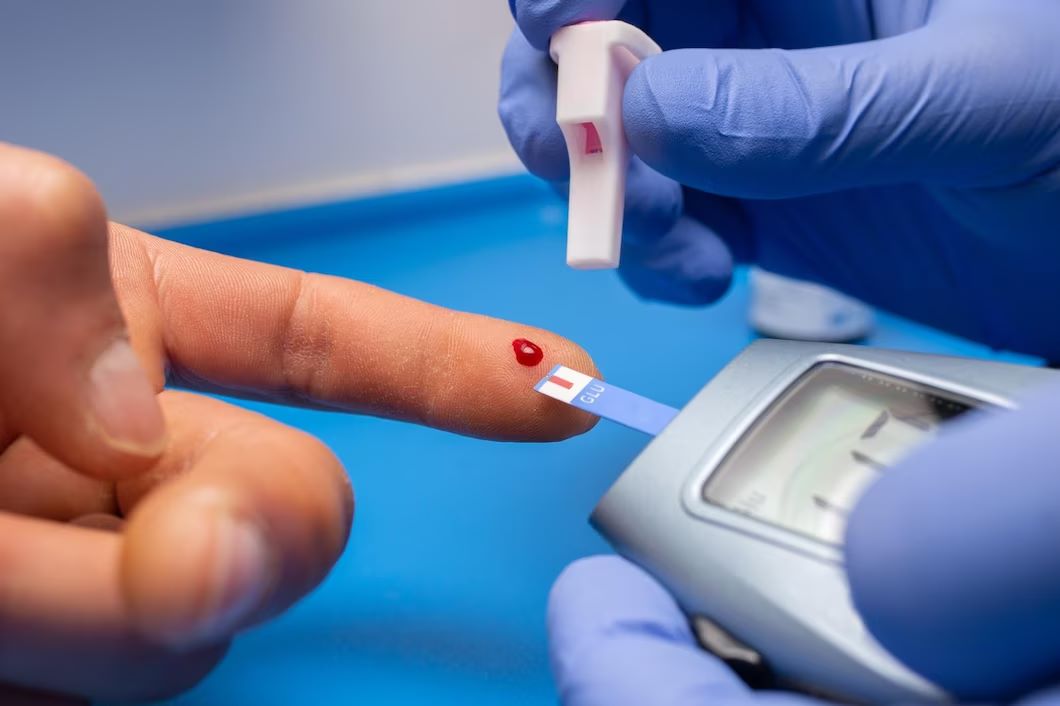
Blood sugar health is one of the most important yet often overlooked aspects of overall wellness. Glucose is the body’s main source of energy, and maintaining stable levels is essential for physical strength, mental clarity, and long-term health. When blood sugar becomes unstable, it may lead to fatigue, cravings, mood swings, and in some cases, serious health concerns over time.
Modern lifestyles—high in processed foods, stress, lack of exercise, and poor sleep—can make it harder to maintain balanced blood sugar levels. However, with the right habits, nutrition, and awareness, it is possible to support healthier glucose levels naturally and sustainably.
This guide explains how blood sugar works, what causes imbalance, and practical steps to support long-term metabolic wellness.
Understanding Blood Sugar and Why It Matters
Blood sugar (glucose) comes from the food we eat, especially carbohydrates. After eating, the body breaks food down into glucose, which enters the bloodstream and is used for energy.
The hormone insulin helps move glucose from the blood into cells, where it is used for fuel. When this system functions properly, energy levels remain stable.
However, when blood sugar becomes too high or too low frequently, it may affect overall health and daily performance.
Balanced blood sugar supports:
- Steady energy throughout the day
- Better focus and concentration
- Improved mood stability
- Reduced cravings
- Healthy metabolism
Maintaining balance is key for long-term wellness.
What Causes Blood Sugar Imbalance?
Several lifestyle and dietary factors may affect glucose levels.
High Sugar and Processed Foods
Foods high in refined sugar and simple carbohydrates may cause rapid spikes in blood sugar followed by sudden drops.
Examples include:
- Soft drinks
- Candy and sweets
- White bread
- Packaged snacks
- Fast food
Frequent consumption of these foods may lead to unstable energy levels.
Lack of Physical Activity
Physical activity helps the body use glucose efficiently.
A sedentary lifestyle may reduce insulin sensitivity over time, making it harder to maintain balanced blood sugar levels.
Stress and Hormonal Imbalance
Stress triggers the release of hormones like cortisol, which may increase blood sugar levels.
Long-term stress may contribute to metabolic imbalance and cravings for unhealthy foods.
Poor Sleep Habits
Sleep plays a major role in blood sugar regulation.
Inadequate or poor-quality sleep may affect insulin response and increase cravings for high-calorie foods.
Signs of Blood Sugar Imbalance
When blood sugar is not stable, the body may show several warning signs.
Common symptoms include:
- Frequent fatigue or low energy
- Sudden hunger or cravings
- Irritability or mood swings
- Difficulty concentrating
- Headaches
- Feeling shaky or weak
These symptoms may vary from person to person but often indicate that the body is struggling to maintain balance.
Healthy Eating for Blood Sugar Support
Nutrition is one of the most powerful tools for maintaining stable glucose levels.
Choose Complex Carbohydrates
Unlike refined carbs, complex carbohydrates release energy slowly.
Examples include:
- Whole grains
- Brown rice
- Oats
- Quinoa
- Sweet potatoes
These foods help prevent sudden blood sugar spikes.
Increase Fiber Intake
Fiber slows down digestion and helps stabilize glucose levels.
High-fiber foods include:
- Vegetables
- Fruits
- Beans
- Lentils
- Seeds
Fiber also supports digestion and long-lasting fullness.
Include Healthy Proteins
Protein helps balance blood sugar and reduces cravings.
Good sources include:
- Eggs
- Fish
- Chicken
- Greek yogurt
- Plant-based proteins
Healthy Fats Matter
Healthy fats slow digestion and support steady energy.
Examples include:
- Avocados
- Nuts
- Olive oil
- Seeds
Importance of Exercise in Blood Sugar Control
Physical activity plays a major role in glucose regulation.
Exercise helps muscles use glucose for energy, which improves insulin sensitivity.
Best Activities for Blood Sugar Balance
- Walking after meals
- Light jogging
- Cycling
- Strength training
- Yoga
Even 20–30 minutes of daily movement can make a significant difference.
Lifestyle Habits That Support Blood Sugar Health
Beyond diet and exercise, daily habits also matter.
Stay Hydrated
Water helps the body process glucose more effectively.
Manage Stress
Relaxation techniques such as deep breathing, meditation, and outdoor activities may help reduce stress-related blood sugar spikes.
Maintain Consistent Sleep
Good sleep helps regulate hormones that control hunger and glucose balance.
Eat Smaller, Balanced Meals
Avoid overeating and try to maintain consistent meal timing throughout the day.
Can Supplements Support Blood Sugar Health?
Some people explore supplements as part of their wellness routine to support healthy glucose metabolism. These products are typically designed to complement diet and lifestyle habits rather than replace them.
Certain formulations may include herbal extracts, antioxidants, vitamins, and plant-based compounds associated with metabolic support.
For individuals looking for additional support, Gluco Recover is one supplement often discussed in relation to blood sugar wellness and metabolic balance. It is generally used alongside healthy eating, regular exercise, and proper sleep habits.
However, long-term blood sugar control depends primarily on lifestyle choices.
Common Mistakes That Affect Blood Sugar
Many people unintentionally make habits that disrupt glucose balance.
These include:
- Skipping meals
- Eating excessive sugar
- Relying on processed foods
- Lack of physical activity
- Poor sleep patterns
- High stress levels
Avoiding these mistakes may significantly improve overall metabolic health.
Practical Tips for Daily Blood Sugar Balance
Simple daily habits can make a big difference over time:
- Eat balanced meals with protein, fiber, and healthy fats
- Avoid sugary drinks
- Walk after meals
- Stay hydrated throughout the day
- Prioritize consistent sleep
- Manage stress effectively
- Maintain regular physical activity
Many individuals also include Gluco Recover as part of a broader wellness routine focused on maintaining stable energy and supporting metabolic health.
Why Blood Sugar Balance Matters for Long-Term Health
Stable blood sugar is not only about avoiding discomfort—it is essential for long-term health.
Balanced glucose levels may help support:
- Better energy throughout the day
- Improved weight management
- Reduced risk of metabolic issues
- Better mental clarity
- Stable mood and focus
Taking care of blood sugar early in life may help prevent complications later.
For individuals seeking additional nutritional support, some people choose Gluco Recover alongside healthy lifestyle habits to support their overall wellness journey.
Final Thoughts
Blood sugar health is a foundation of overall well-being. When glucose levels are stable, the body functions more efficiently, energy remains consistent, and daily life feels easier.
The key to maintaining healthy blood sugar is not extreme dieting but consistent, balanced habits. Eating whole foods, staying active, managing stress, sleeping well, and avoiding excess sugar all contribute to better long-term results.
With simple lifestyle changes and awareness, it is possible to support stable energy, improved focus, and better metabolic health for years to come.
Κατηγορίες
Διαβάζω περισσότερα
Accidents can change lives in an instant. Whether it’s a car crash, workplace incident, or another form of negligence, serious injuries often lead to medical expenses, emotional distress, and financial uncertainty. During such difficult times, working with an experienced personal injury lawyer is one of the most important steps you can take to protect your rights and secure fair...

Looking for a family dentist in SW Calgary? Beyond Dental welcomes patients of all ages — kids, teens & adults. Checkups, cleanings, Invisalign & more. Open 7 days. Book now! Finding a single dental clinic in SW Calgary that every member of your family is happy to visit is harder than it sounds. Young children need patience and a gentle touch. Teenagers may need orthodontic...

Not every platform manages to combine simplicity with variety, but some are clearly moving in that direction. The first thing users notice today is how easy it is to get started, and that’s where the battery bet login system makes a difference. It offers a quick and smooth entry point, helping users access the platform without unnecessary steps. Battery bet is a type of site...

Global Demand Outlook for Executive Summary Automotive Intelligence Park Assist System Market Size and Share The automotive intelligence park assist system market is expected to witness market growth at a rate of 5.80% in the forecast period of 2021 to 2028. Automotive Intelligence Park Assist System Market survey report brings into light key market dynamics of sector along with the...
Are you planning to buy a spacious and comfortable home in a peaceful city with strong investment potential? If yes, choosing a 3 BHK Flat in dehradun could be one of the smartest real estate decisions in 2026. Dehradun, the capital of Uttarakhand, is rapidly growing as a residential hotspot in North India. Known for its natural beauty, quality education, and improving infrastructure, the city...