


Efficient Motion Systems with High Efficiency Induction Motor
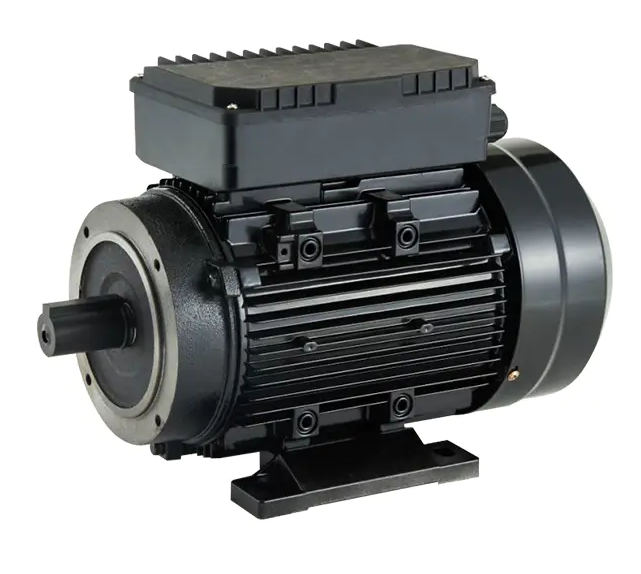
A high-efficiency induction motor has become an important component in many industrial environments where machines operate for long periods each day. Production lines, pumps, fans, compressors, conveyors, and manufacturing systems depend on stable power transmission to keep operations moving smoothly. As industries continue looking for practical ways to manage electricity use and improve system performance, motor design has gradually evolved toward structures that focus on lower energy loss and consistent operation.
Traditional induction motors have been used for decades because of their relatively simple construction and reliable operating principles. However, newer developments in materials and engineering methods have contributed to the development of the High Efficiency Induction Motor. The difference is not only associated with energy consumption but also with the way internal components work together to reduce unnecessary heat generation and mechanical loss.
A High Efficiency Induction Motor often uses carefully designed rotor and stator structures. Improved magnetic materials can reduce losses caused by magnetic resistance, while upgraded winding arrangements allow electrical current to move with lower resistance. These design changes may appear small individually, but together they can influence the overall operating condition of the motor.
Heat management is another factor that receives attention in motor design. Motors naturally generate heat during operation, and excessive heat can affect internal components over time. By reducing electrical losses and improving airflow within the motor housing, a High Efficiency Induction Motor may maintain more stable temperature conditions during continuous use. Lower operating temperatures can contribute to smoother performance across different applications.
Industrial users frequently operate motors for many hours every day. In facilities where dozens or even hundreds of motors run simultaneously, electricity usage becomes an important operational consideration. Small changes in efficiency can create noticeable differences when calculated across large systems. For this reason, many engineers evaluate motor selection not only according to initial equipment cost but also according to long-term operating requirements.
Maintenance considerations are also part of motor selection decisions. A High Efficiency Induction Motor is commonly designed with durability in mind. Bearings, insulation materials, and structural components are selected to support repeated operating cycles. Stable operating conditions may help reduce unexpected interruptions and allow maintenance teams to follow scheduled service intervals rather than responding to frequent emergency repairs.
Different industries have unique operating environments. Food processing plants may require motors that function under washdown conditions. Mining operations often need equipment capable of handling dust and vibration. Water treatment facilities rely on motors for pump systems that run continuously. The High Efficiency Induction Motor can be adapted for these varied environments through changes in enclosure design, cooling systems, and protective features.
As manufacturing technology continues to advance, the role of the High Efficiency Induction Motor may continue expanding as industries seek practical methods for balancing productivity and energy management.
Categorieën
Read More
Rising Sun Electric energy costs continue to rise, businesses are actively looking for smarter and more sustainable ways to manage their electricity consumption. Rising Sun Electric stands out as a trusted commercial solar company in Malad , helping organizations reduce operational expenses while embracing clean and renewable energy. With years of experience in solar installation and energy...

El Primer Paso en el Póker Online Comenzar en el póker online puede parecer complicado al principio, pero con la información adecuada el proceso resulta mucho más sencillo. Los jugadores nuevos mejores sitios para jugar poker online tienen acceso a numerosas herramientas de aprendizaje que facilitan la comprensión de las reglas básicas y permiten...

In the fast-paced world of candy production, the need for efficiency and consistency is paramount. Manufacturers across the globe rely on advanced machinery to produce large quantities of candies with uniform quality and high throughput. One such critical piece of equipment is the hard candy machine, which plays an essential role in shaping and creating candies that meet consumer expectations...
Recycled Packaging for Apparel Market Size, Share and Growth Report (2025–2034) Market Overview The Recycled Packaging for Apparel Market is experiencing significant growth as the global fashion and textile industry increasingly adopts sustainable and environmentally responsible practices. Recycled packaging solutions include recycled paper, cardboard, biodegradable plastics, and...

According to the latest report published by Data Bridge Market Research, the Portable Air Coolers Market The global portable air coolers market was valued at USD 3.65 billion in 2025 and is projected to reach USD 10.78 billion by 2033, growing at a CAGR of 14.50% from 2026 to 2033. The market is witnessing strong growth driven by rising demand for energy-efficient...
