


Access Control Solutions for Safer Commercial Spaces
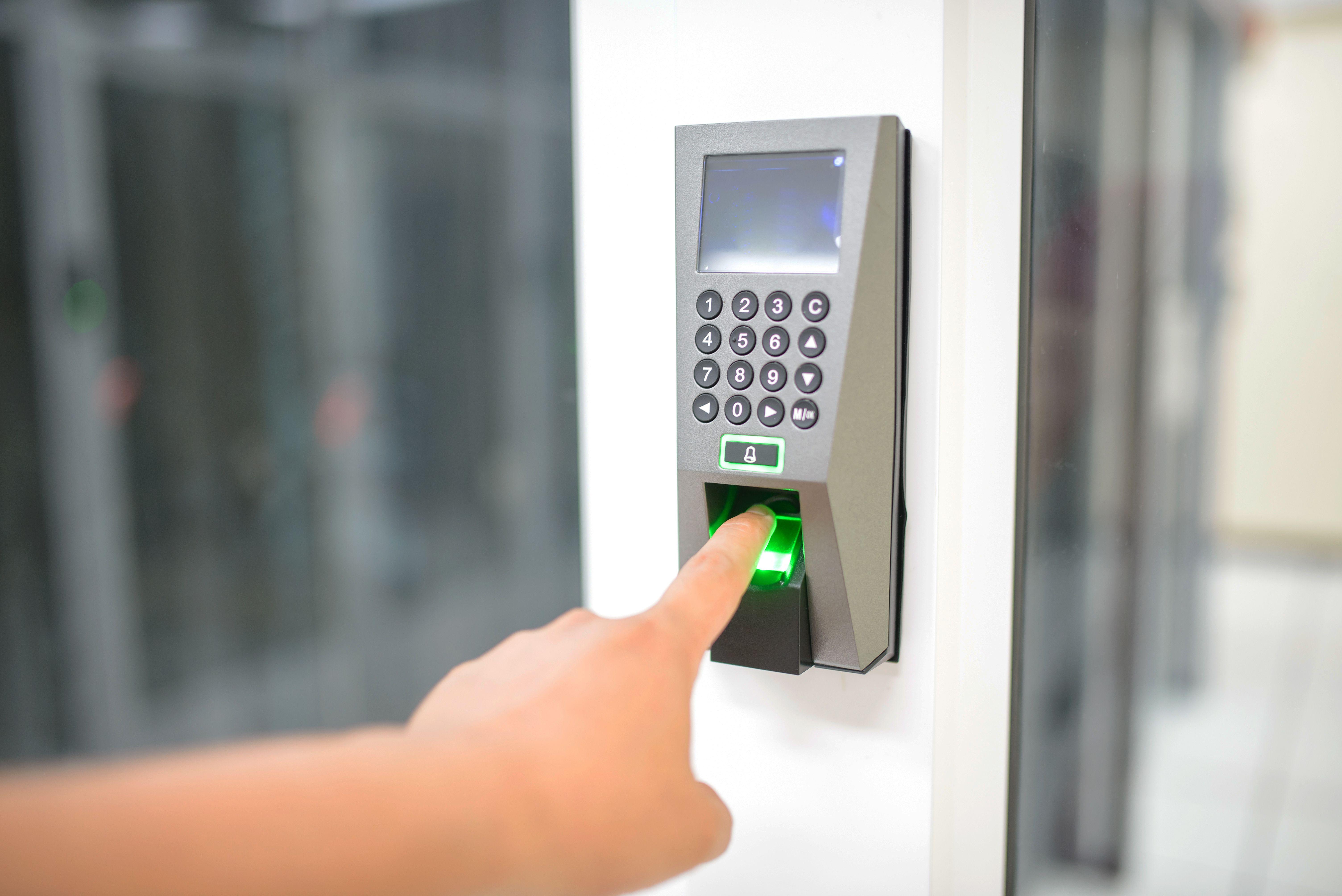
The modern workplace is undergoing a radical transformation. With hybrid work schedules, fluid tenant roster shifts, and an elevated awareness of both physical and cybersecurity threats, protecting a business environment is no longer as simple as locking the front door at 5:00 PM. Traditional lock-and-key setups—and even legacy key card systems—are quickly proving insufficient for the dynamic needs of modern enterprises.
To safeguard intellectual property, expensive physical assets, and, most importantly, human lives, businesses are migrating toward intelligent physical security frameworks. Implementing sophisticated Access Control Solutions has evolved from an optional operational upgrade into a fundamental prerequisite for building compliance, risk mitigation, and everyday peace of mind.
1. The Vulnerabilities of Legacy Security Systems
For decades, commercial spaces relied on physical keys or standard RFID proximity cards to restrict entry. However, in a fast-paced corporate climate, these traditional methods expose organizations to significant, unnecessary vulnerabilities.
-
The Cost of Lost Credentials: Roughly 20% of physical company key cards are lost or stolen annually. Managing, reprinting, and reissuing physical badges creates a continuous administrative burden and leaves critical windows of vulnerability before a missing card is officially reported and deactivated.
-
The Threat of Tailgating: Tailgating—where an unauthorized individual slips through a door directly behind an employee who just tapped in—remains one of the most common physical security breaches. Legacy systems simply log that a valid card was scanned; they cannot verify if one person or a group of three entered behind it.
-
Silicon Silos: Older, on-premises security hardware often operates in an isolated silo. If your access logs do not communicate dynamically with your video surveillance or HR onboarding software, your security team is left entirely reactive, piecing together incidents long after they have occurred.
2. Key Pillars of Next-Generation Access Control Solutions
Modern physical security relies on interconnected, data-driven ecosystems that balance strict perimeter defense with a frictionless user experience for employees and visitors.
Mobile Credentials and the Contactless Workplace
Smartphones have effectively become the central hub of modern identity management. By utilizing Near Field Communication (NFC) and Bluetooth Low Energy (BLE) technologies, Access Control Solutions allow employees to unlock perimeter doors, turnstiles, and secure suites using digital wallets or specialized smartphone apps.
Because mobile devices are natively protected by user-bound biometrics (like facial recognition or fingerprint scans), the risk of credential cloning or unauthorized sharing drops exponentially. Furthermore, buildings utilizing mobile credentials report a noticeable decline in tailgating incidents, as users interact more intentionally with entry points.
Biometric Authentication and Multi-Factor Security
For highly sensitive zones—such as data server rooms, executive suites, or pharmaceutical storage areas—relying on a single credential is no longer standard practice. Modern environments deploy Multi-Factor Authentication (MFA) at physical entry points. This often pairs a mobile tap or PIN code with biometric validation, such as advanced facial recognition or iris scanning. These biometric tools ensure that the person holding the credential is mathematically verified as the authorized user, rendering stolen badges completely useless.
Vertical Security via Smart Elevator Integration
Security in high-rise offices and mixed-use commercial developments is moving vertically rather than just horizontally. Modern access frameworks integrate natively with destination dispatch elevator systems. When an employee scans their credential at a ground-floor turnstile, the system coordinates with smart lifts to assign them a specific elevator cab, automatically granting access only to their designated office floor. This effectively confines visitors and contractors to host areas, completely neutralizing unrestricted vertical movement through a facility.
3. Operational Advantages: Moving Beyond Simple Locks
Upgrading to an ecosystem of smart Access Control Solutions provides compounding benefits that extend far beyond preventing unauthorized entry, yielding measurable operational dividends.
Cloud-Native Management and Remote Administration
Legacy systems require localized, on-site servers that demand manual updates, physical maintenance, and local IT oversight. Conversely, cloud-native platforms consolidate management into a single browser-based dashboard. Security administrators can instantaneously alter door schedules, provision temporary access permissions for vendors, or trigger a facility-wide lockdown from anywhere in the world.
AI-Driven Anomaly Detection
Integrating Artificial Intelligence into physical security management completely alters threat response timelines. Rather than relying solely on security personnel to spot anomalies, AI-powered systems constantly analyze access logs to flag suspicious behavior in real time. For instance, if a single user credential is used to access an office in Chicago and another facility in New York within the same hour, the system automatically flags the "impossible travel" conflict, revokes the credential, and alerts security teams instantly.
Conclusion
Creating a safer commercial space requires moving away from isolated physical barriers and embracing an integrated, intelligent security ecosystem. By leveraging mobile credentials, cloud-managed infrastructures, and AI-enabled software integrations, businesses can build a defensive perimeter that addresses modern risks. Investing in the right Access Control Solutions does more than just protect valuable corporate assets—it creates a responsive, welcoming, and fundamentally secure environment where employees can confidently perform their best work.
Catégories
Lire la suite
In today’s competitive freelance market, simply having a great profile on Upwork isn’t always enough. Thousands of freelancers compete for the same jobs, and timing often becomes the deciding factor between landing a project or missing out. That’s where the right tools can make all the difference. Using a Chrome extension to get more Upwork jobs can significantly improve your...

Many people visiting Swarna Cosmetics share similar experiences after trying temporary hair removal methods that never provide lasting relief. Laser Hair Removal Clinic Jaipur has become a preferred solution for individuals seeking smoother skin and a more comfortable lifestyle. This article explains how advanced laser technology helps reduce unwanted hair growth while improving skin quality....

Introduction Croma has become one of India’s most trusted retail and electronics brands, offering a wide range of products like TVs, laptops, appliances, and smart gadgets. When it comes to after-sales service, many customers wonder how to claim warranty for their Croma devices. The Croma Service Center provides a streamlined process to help you claim warranty coverage easily and...

Getting started with online betting should be simple, quick, and safe. Users want a clear process that helps them create an account, get a betting ID, and start playing without confusion. This is exactly what Fairplay Pro delivers. The Fairplay Pro sign up process is designed to give users easy access to sports betting and casino games through one smooth registration...
The global Vaginitis Therapeutics Market is witnessing steady evolution as healthcare systems place greater emphasis on women’s reproductive health and infection management. Vaginitis, a common condition characterized by inflammation of the vaginal tissues, continues to affect a significant proportion of women worldwide. The increasing awareness of gynecological health, improved...