Aseptic Filling Machine Market Trends and Forecast to 2031
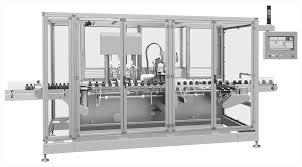
The global aseptic filling machine market is witnessing strong and sustained growth, driven by rising demand for safe, hygienic, and contamination-free packaging solutions across the food & beverage and pharmaceutical industries. Valued at US$ 1.1 Bn in 2022, the market is projected to expand at a CAGR of 4.9% from 2023 to 2031, reaching approximately US$ 2.4 Bn by 2031. Increasing focus on product safety, shelf-life extension, and automation in manufacturing is significantly shaping industry growth.
Market Overview
Aseptic filling machines are specialized systems used to fill pre-sterilized products into sterilized containers under controlled environments. These machines ensure that both the product and packaging remain free from harmful microorganisms throughout the filling process.
They are widely used for liquids, semi-solids, powders, and hybrid materials, making them essential in industries requiring high hygiene standards. Common packaging formats include bottles, vials, syringes, cartridges, pouches, and cartons made from materials such as glass, PET, and HDPE.
The market includes various machine types such as tabletop filling machines, stand-alone systems, and aseptic pouch filling machines, each catering to different production scales and operational needs.
Key Market Drivers
Rising Demand from Food & Beverage Industry
One of the strongest growth drivers for the aseptic filling machine market is the expanding global food & beverage sector. Increasing consumption of packaged beverages such as milk, juices, and functional drinks has created a strong need for sterile packaging solutions.
Aseptic filling technology helps extend shelf life without refrigeration while maintaining product quality and nutritional value. Growing awareness of food safety and hygiene among consumers further strengthens demand for these machines.
Expansion of Pharmaceutical Manufacturing
The pharmaceutical industry is another major contributor to market growth. Aseptic filling machines play a crucial role in ensuring contamination-free production of drugs, vaccines, and injectable formulations.
These machines are widely used for filling vials, syringes, IV bags, and ampoules. With rising global demand for vaccines, biologics, and advanced drug formulations, pharmaceutical companies are increasingly investing in high-precision aseptic filling systems.
Market Trends and Opportunities
Automation and Digitalization
Manufacturers are increasingly adopting fully automated aseptic filling systems to improve efficiency, reduce human intervention, and enhance production accuracy. Integration of smart sensors, IoT-enabled monitoring, and digital control systems is transforming production lines into highly efficient and data-driven environments.
Flexible and Modular Machine Designs
Modern aseptic filling machines are being designed with flexibility in mind. Companies are focusing on modular systems that can handle multiple container types and product formats, allowing manufacturers to adapt quickly to changing production requirements.
Rising R&D Investments
Leading players are heavily investing in research and development to create machines that are faster, more energy-efficient, and capable of handling complex product formulations. Innovation in sterilization technologies and filling precision is opening new growth avenues for the market.
Challenges in the Market
Despite strong growth prospects, the aseptic filling machine market faces certain challenges. High initial investment costs and maintenance expenses can limit adoption, especially among small and medium-scale manufacturers.
Additionally, limited production capacity in some machines and the complexity of sterilization processes may hinder operational efficiency. Skilled labor requirements and strict regulatory compliance also add to operational challenges.
Regional Insights
Asia Pacific
Asia Pacific is expected to dominate the global aseptic filling machine market during the forecast period. Rapid industrialization, expanding food processing industries, and strong growth in pharmaceutical manufacturing—particularly in China and India—are driving regional demand.
North America
North America is projected to grow steadily, supported by advanced healthcare infrastructure and a well-established food & beverage industry. The United States remains a key contributor due to high adoption of automated manufacturing systems.
Europe
Europe also represents a significant market, driven by strong pharmaceutical production in countries like Germany, France, and the U.K. Strict regulatory standards for food and drug safety further support adoption of aseptic filling technologies.
Competitive Landscape
The global aseptic filling machine market is highly competitive, with several established players focusing on innovation, expansion, and strategic partnerships. Companies are investing in advanced technologies, automation capabilities, and global distribution networks to strengthen their market position.
Key players include ALFA LAVAL, Bausch Strobel SE + Co. KG, Dara Pharma, GEA, Groninger & Co. GmbH, JBT Corporation, Krones AG, SaintyCo, Serac Group, and Syntegon Technology GmbH.
These companies are actively developing high-speed, energy-efficient, and multi-functional filling systems to meet evolving industry demands.
Recent Developments
Several notable developments have shaped the industry in recent years:
- In 2022, JBT Corporation launched the PLF Virtus linear vacuum filler capable of handling nutritional powders, including infant formula, at high speeds.
- Syntegon Technology expanded its portfolio of liquid and viscous food filling systems, improving flexibility across packaging formats.
- GEA introduced its eShop platform, enabling easier ordering of spare parts and improved maintenance scheduling for filling equipment.
Conclusion
The global aseptic filling machine market is poised for steady expansion through 2031, driven by increasing demand for safe packaging in the food, beverage, and pharmaceutical sectors. Technological advancements, automation, and growing focus on product integrity are reshaping the industry landscape.
Although high costs and operational complexity remain challenges, continuous innovation and rising global demand for sterile processing solutions are expected to ensure strong long-term growth for the market.
Source: https://www.transparencymarketresearch.com/aseptic-filling-machine-market.html
Kategoriler
Read More
Relocating an office in a fast-paced city like Bangalore, also known as Bengaluru, is a crucial step for any growing business. Whether you are expanding to a larger workspace, moving closer to clients, or upgrading your infrastructure, office relocation requires detailed planning and efficient execution. Unlike residential shifting, office moves involve sensitive equipment, important documents,...

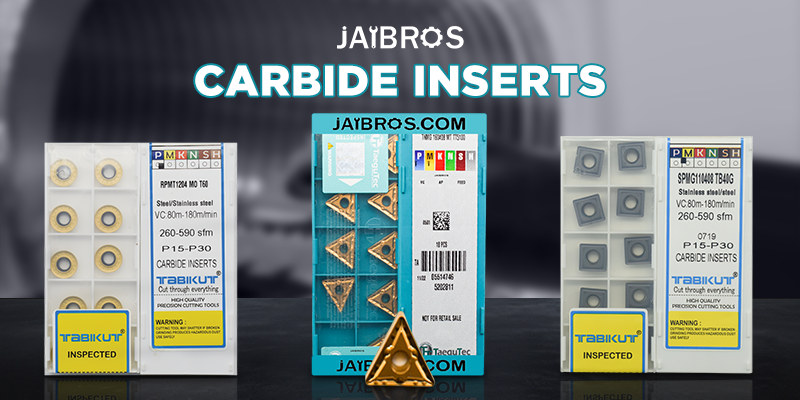
High-performance carbide inserts for precision machining. Explore CNC carbide inserts, tools, charts, and top manufacturers in India for better efficiency. Understanding Carbide Inserts Tungsten carbide (used in making tooling with inserts) is a very strong, hard material that can handle very high or low temperatures. While conventional steel tooling typically has a very short life with respect...
La saldatura laser rappresenta una delle tecnologie più innovative nel settore della lavorazione dei metalli. Grazie alla sua elevata precisione, alla velocità di esecuzione e alla qualità del risultato finale, questa tecnologia è diventata la scelta ideale per aziende che desiderano migliorare la produttività e ottenere saldature impeccabili....

Diwali is not just a festival of lights; it is a celebration of warmth, togetherness, creativity, and tradition. Every year, families look for fresh and meaningful ways to decorate their homes, but finding unique décor ideas that feel personal can often become overwhelming. Store-bought decorations may look attractive, yet they sometimes lack the charm and emotional connection that...

"What’s Fueling Executive Summary Raman Spectroscopy Market Size and Share Growth CAGR Value The global raman spectroscopy market size was valued at USD 394.32 million in 2024 and is projected to reach USD 724.47 million by 2032, with a CAGR of 7.9% during the forecast period of 2025 to 2032. To stand apart from the competition, a careful idea about the competitive...