


Why Do Dentists Recommend Removing Severely Damaged Teeth?
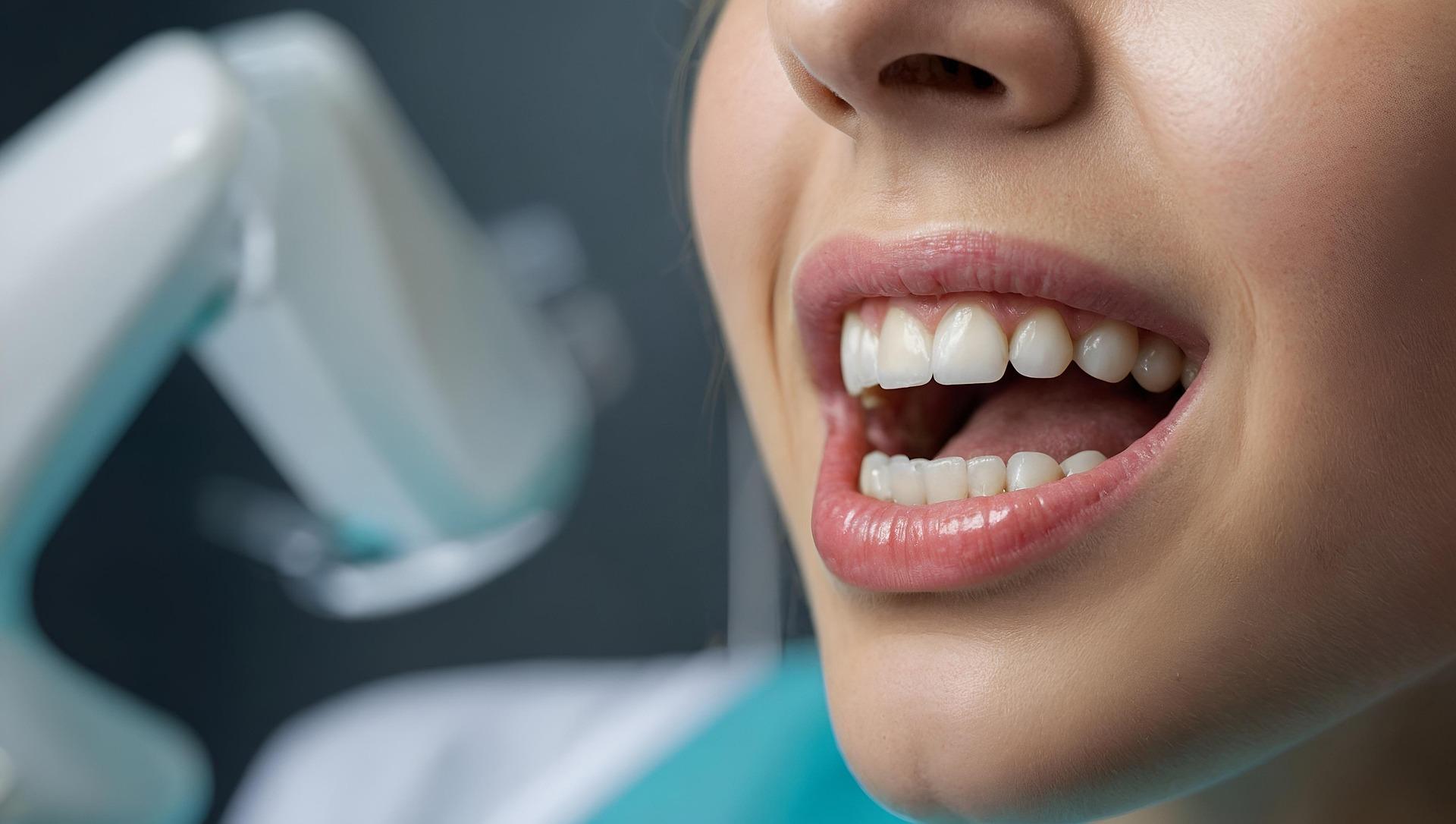
Teeth play an important role in daily life. They help people eat comfortably, speak clearly, and smile with confidence. When a tooth becomes badly damaged, even simple activities like chewing food or drinking cold water can become painful. Some people also experience swelling, sensitivity, or infections that affect their overall comfort and health.
Dentists always try to save natural teeth whenever possible. Treatments such as fillings, crowns, and root canals are commonly used to repair damaged teeth and restore their function. However, there are situations where a tooth becomes too weak or infected to repair safely. In these cases, dentists may recommend Tooth Extraction to protect the health of the mouth and prevent more serious complications.
Although many people feel nervous when they hear they may need a tooth removed, the procedure is often done to reduce pain, stop infection, and improve long-term oral health. Understanding why dentists recommend this treatment can help patients feel more informed and comfortable about the process.
Deep Tooth Decay
Tooth decay is one of the most common causes of serious dental damage. Cavities begin when bacteria in the mouth create acids that slowly wear away the tooth enamel. If treated early, a dentist can usually repair the tooth with a filling. However, when decay spreads deeper into the tooth, it can damage the nerves and roots.
At this stage, patients may experience severe pain, swelling, or infection. A deeply decayed tooth can also become weak and brittle, making it difficult to restore properly. In these situations, dentists may recommend Tooth Extraction in Tumwater to prevent the infection from spreading further.
Cracked or Broken Teeth
Teeth can crack or break because of sports injuries, falls, accidents, or biting hard foods. Small cracks may sometimes be repaired with crowns or bonding treatments, but larger fractures are more serious.
If a crack reaches the root or extends below the gum line, bacteria can enter the tooth easily. This may lead to infection, pain, and swelling. In some cases, the damage becomes too severe for treatment, and removing the tooth becomes the safest solution.
Advanced Gum Disease
Gum disease affects the gums and bones that support the teeth. In advanced stages, the gums begin to pull away from the teeth, and bone loss may occur. As support weakens, teeth may become loose or unstable.
When a tooth no longer has enough support to stay firmly in place, dentists may suggest Tooth Extraction to improve oral health and prevent further complications inside the mouth.
Dental Trauma
Accidents can cause major injuries to teeth and surrounding tissues. Even when the outer part of the tooth looks normal, the root may still be damaged internally. Trauma can interrupt blood flow inside the tooth, causing it to weaken or die over time.
If the damage cannot be repaired safely, removing the tooth may help avoid pain and infection in the future.
Why Dentists Recommend Removing Damaged Teeth
Dentists carefully examine every tooth before recommending removal. Since natural teeth are valuable, dentists usually consider other treatment options first. However, keeping a severely damaged tooth may sometimes create more problems than benefits.
To Stop Infection
One of the main reasons dentists recommend Tooth Extraction is to stop serious infections from spreading. A badly infected tooth can allow bacteria to move into nearby gums, jawbone, and surrounding teeth.
If left untreated, dental infections may cause swelling, fever, severe pain, and other health problems. Removing the infected tooth can help stop the infection and protect the rest of the mouth.
To Relieve Severe Pain
A damaged tooth can cause constant discomfort. Some people experience sharp pain while chewing, while others feel sensitivity when eating hot or cold foods. In severe cases, tooth pain may even affect sleep and daily activities.
When treatments can no longer repair the tooth successfully, removal may provide long-term relief and improve comfort.
To Protect Nearby Teeth
A damaged tooth does not only affect one area of the mouth. Infection and bacteria may spread to nearby teeth and gums, creating additional dental problems.
Dentists sometimes recommend dentist in tumwater to protect healthy teeth and prevent the condition from becoming worse.
To Improve Overall Oral Health
Broken teeth with deep cavities can trap food particles and bacteria, making oral hygiene more difficult. This increases the risk of additional decay and gum disease.
Removing a severely damaged tooth can make it easier to maintain a cleaner and healthier mouth.
To Prepare for Future Dental Treatments
Sometimes dentists remove teeth before starting other treatments such as braces, dentures, or dental implants. Overcrowded teeth may require extra space for proper alignment, while damaged teeth may need removal before replacement options can be placed.
At Dentist, patients are often guided through all available treatment choices before a final recommendation is made.
Common Signs a Tooth May Need Removal
There are several warning signs that may suggest a tooth is severely damaged and requires professional dental care.
Constant Tooth Pain
Pain that continues for several days or weeks should never be ignored. Ongoing discomfort may indicate deep decay, infection, or nerve damage inside the tooth.
Swelling and Infection
Swollen gums, pus, or a bad taste in the mouth are often signs of infection. These symptoms usually require immediate dental attention to prevent the condition from becoming more serious.
Loose Teeth
Adult teeth should remain firm and stable. Loose teeth may point to advanced gum disease or weakening bone support.
Difficulty Eating
Many people avoid chewing on one side of the mouth because of pain from a damaged tooth. Difficulty eating can affect comfort, nutrition, and daily life.
If these symptoms appear, a dentist can examine the tooth and decide whether repair or Tooth Extraction is the best treatment option.
What Happens During a Tooth Removal Procedure?
Many patients feel anxious before a dental procedure, especially when they hear the word extraction. Learning about the process can help reduce fear and make the experience feel more manageable.
Dental Examination
The dentist first examines the tooth carefully and may take X-rays to understand the position of the tooth and surrounding bone. This helps determine the safest way to remove the tooth.
Numbing the Area
Before the procedure begins, local anesthesia is used to numb the area around the tooth. Patients may feel pressure during the procedure, but they should not feel sharp pain.
Removing the Tooth
The dentist gently loosens the tooth and removes it using dental instruments. Some teeth are easier to remove than others depending on their condition and location.
Recovery After Removal
After Tooth Extraction, patients receive instructions to support proper healing. Mild soreness and swelling are common for a few days after the procedure.
Most people recover within a week and can return to their normal routine shortly after treatment.
Tooth Replacement Options After Removal
Removing a tooth does not mean patients must live with an empty space forever. Modern dentistry offers several replacement options that restore both appearance and function.
Dental Implants
Dental implants are artificial tooth roots placed into the jawbone. They support replacement teeth that look and function similarly to natural teeth.
Dental Bridges
Bridges fill the gap left by a missing tooth by attaching an artificial tooth to nearby teeth.
Dentures
Dentures are removable replacements for missing teeth. They may replace one tooth, several teeth, or a complete set.
A dentist can help patients choose the most suitable replacement option based on their oral health needs.
How to Prevent Severe Tooth Damage
Many serious dental problems can be avoided with proper care and healthy habits. Brushing twice daily and flossing regularly help remove plaque and bacteria from the mouth. Regular dental checkups also help detect small problems before they become severe.
Wearing mouthguards during sports activities can reduce the risk of cracked or broken teeth. Avoiding harmful habits such as chewing ice or opening packages with teeth can also help protect enamel from damage.
Good oral care habits may lower the chances of needing Tooth Extraction in the future.
Conclusion
Dentists recommend removing severely damaged teeth when saving the tooth is no longer safe or effective. Deep decay, infections, gum disease, and injuries can weaken teeth beyond repair and affect overall oral health.
Although Tooth Extraction may sound uncomfortable, it often helps stop pain, prevent infection, and protect nearby teeth from further damage. Modern dentistry also offers several reliable ways to replace missing teeth and restore normal function.
Taking care of teeth through daily oral hygiene and regular dental visits is one of the best ways to avoid serious dental problems in the future. Early treatment can often prevent damage from becoming severe and help maintain a healthy smile for years to come.
Categorie
Leggi tutto
Discover the World of THC Vaping in Spain The cannabis industry in Spain has evolved rapidly, offering modern consumers innovative and convenient ways to enjoy cannabis products. Among these, the thc vape spain has become one of the most popular choices due to its efficiency, jungle boys, discretion, and powerful effects. Whether you are new to cannabis or an experienced...

Engineering courses in Australian universities demand a high level of academic writing, analytical thinking, and structured technical research. Whether you are working on electrical, mechanical, software, or need civil engineering assignment help, producing high-quality academic work is essential for academic success. However, many students struggle to organize their research, gather...

Show Low Roof Repair- Siding, Windows, Gutters, Deck Contactors: All Custom Exteriors: Show Low’s go-to commercial & residential shingle roofing installers. We’re the top choice as siding, windows, & deck installers & the area’s leading storm damage repair & metal roofing company.
Polaris Market Research recently introduced the latest update on Global Drone Sensor Market size and share is currently valued at USD 1,478.84 million in 2024 and is anticipated to generate an estimated revenue of USD 4,605.36 million by 2034, according to the latest study by Polaris Market Research. Besides, the report notes that the market exhibits a robust 12.00% Compound Annual Growth...
The global calcium propionate market is witnessing steady expansion as food manufacturers increasingly prioritize product shelf life, safety, and quality. Calcium propionate, a widely used preservative, plays a critical role in preventing the growth of mold and bacteria in bakery products, dairy items, processed foods, and animal feed. Growing consumer demand for packaged and convenience foods,...
