What Size Stone and Gravel Works Best for Heavy Vehicle Traffic?
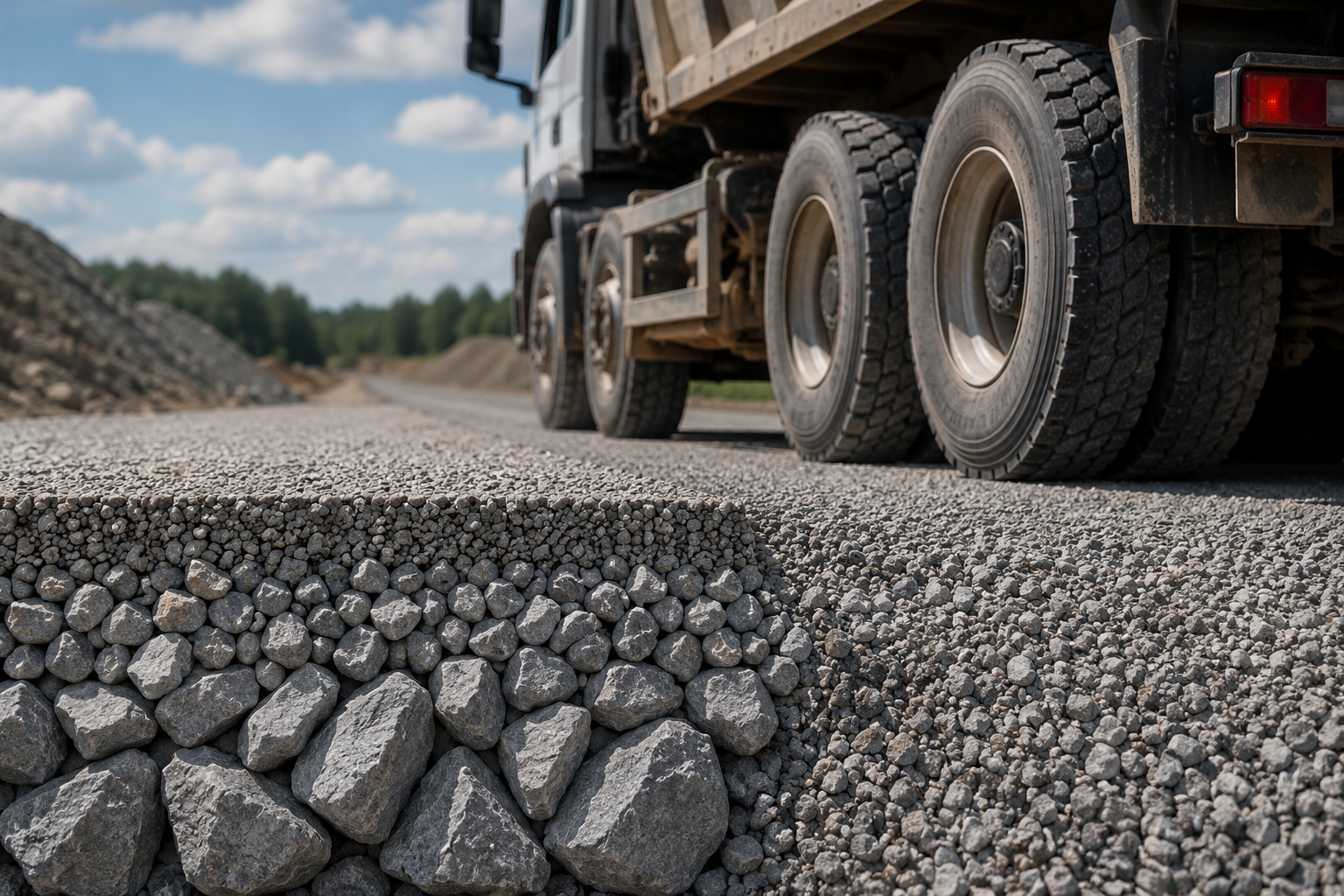
You know that moment when a driveway or work yard looks perfectly fine at first... and then a few months later heavy trucks start tearing it apart? We have all seen it. Deep tire marks, loose rocks everywhere, puddles forming after rain. It gets messy fast. A lot of the time, the problem is not the amount of material used. It is the size of the stone underneath.
People searching for reliable sand and gravel San Francisco suppliers usually focus on price first. Totally understandable. But when heavy vehicles are involved... dump trucks, trailers, RVs, delivery vans, farm equipment... the size of the gravel matters way more than most people expect.
Not every gravel type can handle serious weight. Some look great but shift constantly. Others lock together tightly and create a surface that lasts for years.
So let us talk about what actually works in the real world.
Why Gravel Size Makes Such a Big Difference
Here is the thing. Heavy traffic puts pressure on the ground in a completely different way than normal cars do. Small decorative gravel may look clean and polished, but under weight it tends to scatter and sink.
Larger crushed stone creates strength because the pieces grip together. Think of it almost like puzzle pieces locking in place. That tight structure spreads the weight better and keeps the surface stable.
If the stone is too small... vehicles create ruts.
If it is too large... driving becomes rough and uneven.
There has to be a balance.
The Best Base Layer for Heavy Traffic
For areas that deal with regular truck movement, most contractors prefer larger crushed stone as the base layer. Usually something around 2 to 3 inches works really well.
This lower layer is what carries the weight. It creates drainage too, which is important because trapped water destroys gravel surfaces over time.
Crushed stone works better than smooth river rock here because the rough edges grab onto each other instead of sliding around.
Honestly, this is the part people skip when trying to save money. Then six months later they end up redoing the entire area. Ugh... not fun.
Why Smaller Gravel Still Matters
Now here is where things get interesting.
Even though larger stone handles the weight, you usually do not want that rough surface exposed on top. Driving on huge jagged rocks every day gets annoying fast.
That is why many heavy-duty gravel surfaces use a second top layer. Usually smaller crushed gravel around 3/4 inch works best.
This top layer fills gaps, smooths the surface, and makes driving easier without losing strength underneath.
Kind of like building a sandwich. Big support on the bottom... smoother finish on top.
Simple, but it works.
What About Driveways With Constant Delivery Trucks?
Some properties deal with nonstop traffic. Warehouses, farms, equipment yards, commercial entrances... those places take a beating.
In those situations, a mix called "road base" or "aggregate base" is often the better option. It combines different stone sizes together with fine particles that compact tightly.
Once packed down properly, it becomes extremely solid.
You know those gravel roads that somehow stay firm year after year while others wash away after one storm? Usually this is why.
The compaction matters just as much as the material itself.
Drainage Is a Bigger Deal Than People Think
A lot of gravel failures actually start with water.
Heavy vehicles plus poor drainage equals disaster eventually. The surface softens, the gravel shifts, and suddenly potholes start appearing everywhere.
That is why good grading matters. Water should move away from the traffic area naturally instead of sitting underneath the stone.
Good suppliers offering sand and gravel San Francisco materials will often recommend stone sizes based on drainage conditions too, not just traffic weight.
And honestly... that advice can save a lot of repair costs later.
Should You Use Pea Gravel for Heavy Traffic?
Probably not.
Pea gravel moves constantly because the stones are smooth and round. It works nicely for walkways or decorative spaces, but heavy vehicles push it all over the place.
We have seen parking areas where pea gravel ended up scattered into lawns, sidewalks, even drains after repeated truck traffic.
Looks nice at first though. That part tricks people.
Final Thoughts
Choosing gravel for heavy vehicle traffic is really about creating layers that work together. Large crushed stone creates the strength. Smaller gravel smooths the surface. Proper drainage keeps everything stable long term.
Skipping the right stone size usually leads to rutting, sinking, and constant maintenance headaches. Nobody wants that.
The good news is that with the right material setup, gravel surfaces can hold up surprisingly well for years... even with heavy equipment rolling across them daily.
And if you are comparing options from different sand and gravel San Francisco suppliers, do not just ask about price. Ask what stone sizes they recommend for the type of traffic you actually expect.
That one conversation can make a huge difference later.
FAQs
1. What is the best gravel size for heavy truck traffic?
A combination works best. Larger crushed stone around 2 to 3 inches is commonly used as the base, while smaller 3/4-inch gravel is added on top for smoother driving.
2. Is crushed stone better than pea gravel for heavy vehicles?
Yes. Crushed stone locks together tightly because of its rough edges, while pea gravel shifts easily under heavy weight.
3. How thick should a gravel driveway be for trucks?
For heavy vehicle use, gravel surfaces are often built 8 to 12 inches deep depending on soil conditions and traffic volume.
4. Why does gravel sink under heavy equipment?
Usually because the base layer is too weak, drainage is poor, or the gravel size is too small to support the weight properly.
5. Can gravel handle commercial vehicle traffic long term?
Yes, if the correct stone sizes, layering, and compaction methods are used. Proper installation makes a huge difference in durability.
Nach Verein filtern
Read More
The Dallas Cowboys consist of generally performed their easiest personnel-creating do the job for the duration of the NFL draft. With the 2024 variation particularly following 7 days, wee transferring in direction of feel back again upon the past 10 yrs of Cowboys drafts and pull out some of the highlights and small facts. Presently, wee searching at Dallasultimate 10 years of drafting and...

Polaris Market Research has published a brand-new report titled Colostrum Market Share, Size, Trends, Industry Analysis Report, By Product (Whole Powder, Skimmed Powder, and Specialty Powder); By Application; By Form; By Region; Segment Forecast, 2023-2032 that includes extensive information and analysis of the industry dynamics. The opportunities and challenges in the report's...

According to the latest report published by Data Bridge Market Research, the Industrial Adhesives Market CAGR Value Industrial Adhesives Market analysis report contains significant data, current market trends, market environment, technological innovation, upcoming technologies and the technical progress in the allied industry. All this data and information is very important...
"Aminoethylethanolamine Market Summary: According to the latest report published by Data Bridge Market Research, the Aminoethylethanolamine Market CAGR Value The global Aminoethylethanolamine Market size was valued at USD 261.20 million in 2024 and is expected to reach USD 380.06 million by 2032, at a CAGR of 4.80% during the forecast period. The wide...
Global Fingerprint Module Market Accelerates with Rising Demand for Biometric Security and Smart Device Integration The Global Fingerprint Module Market is experiencing strong momentum as biometric authentication becomes a standard feature across smartphones, banking systems, automotive access, and enterprise security platforms. The market is projected to witness substantial growth...