


The Benefits of Taking Professional Cooking Classes
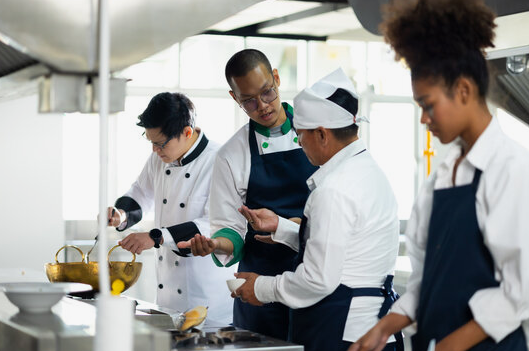
Culinary education has transitioned from a niche pursuit for aspiring restaurant professionals into a vital tool for personal development and wellness. Engaging with food preparation at a systemic level allows individuals to deconstruct the chemistry and history of what they consume daily. A structured environment provides access to specialized knowledge that is rarely conveyed accurately through standard online videos or static recipes. This formal instruction establishes a baseline of physical safety, efficiency, and ingredient respect that changes how a person interacts with their kitchen workspace. By understanding the underlying principles of food science, individuals shift from passively following instructions to actively making informed decisions about nutrition, flavor extraction, and waste reduction.
The cognitive and physical benefits of structured learning
Enrolling in an educational program focused on food preparation stimulates cognitive function and enhances physical dexterity. The kitchen requires simultaneous management of time, sensory inputs, and precise physical movements, forcing the brain to practice complex multitasking and spatial awareness. Students must learn to read the subtle transformations of ingredients, such as listening to the changing hiss of a pan or observing the exact color shift of caramelizing sugars. This sensory acute awareness refines the palate and heightens daily appreciation for various global food traditions. Furthermore, practicing proper posture, grip techniques, and heat management reduces physical strain and minimizes the likelihood of domestic kitchen accidents.
Technical mastery and workspace efficiency
The most immediate advantage of formal culinary training is the acquisition of professional technical skills that streamline the cooking process. Many home cooks spend an excessive amount of time on basic preparation work simply because they lack efficient habits. Learning the biomechanics of knife handling, including the proper placement of the guiding hand and the fluid rocking motion of the blade, dramatically accelerates meal preparation. This technical proficiency ensures that ingredients are cut to uniform dimensions, which is a critical factor in achieving consistent doneness throughout a dish. When vegetables or proteins are unevenly sized, smaller pieces inevitably overcook and degrade in flavor before the larger pieces can fully cook through to the center.
Implementing organizational frameworks in the domestic kitchen
Beyond individual techniques, professional instruction introduces students to structural organization frameworks like mise en place, a philosophy centering on complete preparation before activating a heat source. Instructors teach students to wash, peel, chop, measure, and arrange all necessary components into dedicated vessels prior to cooking. This methodical approach eliminates the chaotic rushing that frequently leads to scorched ingredients or forgotten seasonings mid-recipe. Cooking classes help individuals build these organizational habits, transforming an intimidating or stressful kitchen environment into a predictable, highly controlled space where creativity can flourish. Maintaining a clean and orderly workstation throughout the process also significantly reduces post-cooking cleanup time and mental fatigue.
Deepening the understanding of flavor architecture
A fundamental challenge for many self-taught cooks is moving beyond a single-dimensional flavor profile to create complex, well-balanced meals. Professional instruction deconstructs flavor architecture by analyzing how individual tastes interact, specifically sweetness, sourness, saltiness, bitterness, and umami. Students learn that seasoning is not merely about adding salt at the very end of a recipe, but rather about introducing specific elements at precise intervals to alter chemical structures. For example, applying an acid like citrus or vinegar can cut through heavy fats and brighten muted flavors, while understanding bitter notes can help balance rich or overly sweet dishes. This analytical approach empowers cooks to fix mistakes on the fly rather than abandoning a dish that did not turn out as expected.
Navigating regional ingredients and preservation methods
True culinary competence involves recognizing how geography, climate, and history dictate the ingredient pairings of various world cultures. Formal classes often explore the historical context of regional staples, teaching students how early preservation methods like smoking, curing, fermenting, and pickling shaped modern flavor preferences. Understanding these foundational combinations allows home cooks to substitute ingredients intelligently based on seasonal availability without compromising the integrity of the dish. This knowledge also promotes a more sustainable approach to grocery sourcing, as cooks learn how to maximize the utility of whole raw ingredients, utilizing scraps for rich stocks and repurposing leftovers into completely new, flavorful compositions.
Expanding nutritional control and ingredient transparency
Taking control of food preparation is one of the most effective ways to manage personal health and dietary requirements. Commercial food production and restaurant cooking frequently rely on high levels of hidden sodium, refined sugars, and processed fats to achieve palatable results quickly. By learning the technical secrets behind flavor extraction, such as browning proteins via the Maillard reaction or reducing stocks to concentrate natural sugars, individuals can create deeply satisfying meals using wholesome, unadulterated ingredients. This transparency allows for precise monitoring of macronutrients and allergens, making it far easier to adhere to specific health goals or dietary restrictions without sacrificing the joy of eating well.
Long term financial and environmental sustainability
Investing in formal culinary training yielding substantial long-term financial returns by drastically reducing a household's reliance on pre-packaged meals, grocery deliveries, and frequent restaurant dining. When individuals possess the confidence to handle raw proteins, whole vegetables, and diverse grains, the cost per meal drops significantly. Furthermore, professional training emphasizes strict waste-management protocols, teaching students how to properly store items to maximize shelf life and how to utilize components that might otherwise be discarded. Minimizing food waste not only benefits the household budget but also reduces the environmental footprint associated with domestic consumption, contributing to a more sustainable lifestyle.
The Mardi Gras School of Cooking Experience
For individuals looking to experience these transformative benefits firsthand through an engaging and culturally rich curriculum, the Mardi Gras School of Cooking offers an exceptional platform. Located in a historic setting, this premier institution specializes in breaking down complex regional traditions and professional kitchen methodologies into practical, repeatable skills. Under the direct guidance of seasoned culinary educators, participants engage in immersive sessions that demystify everything from advanced knife work and heat management to the art of balancing robust, multi-layered spice profiles. The focus remains entirely on building technical confidence and adaptability, ensuring that every student returns to their home kitchen equipped with the knowledge and capability to prepare exceptional, memorable meals for family and friends.
Conclusion
Engaging with professional cooking instruction provides a comprehensive array of benefits that extend far beyond the boundaries of the kitchen counter. By mastering technical skills, understanding the science of flavor balance, and adopting rigorous organizational habits, individuals can elevate everyday meal preparation into an efficient, health-conscious, and deeply rewarding practice. This educational journey fosters a profound respect for global ingredients and historical traditions, while simultaneously promoting personal wellness and financial sustainability. Ultimately, investing time in structured culinary training empowers individuals to transform basic sustenance into a meaningful expression of hospitality, creativity, and skill.
Categorii
Citeste mai mult
Football has witnessed the rise of many extraordinary talents, but few have captured the world's attention as quickly as Lamine Yamal. With his fearless dribbling, exceptional creativity, and remarkable maturity on the pitch, the young Spanish star has become one of the biggest names in modern football. Whether representing Spain on the international stage or dazzling fans in club football,...

A fresh ensemble mystery unfolds with Kathryn Newton at the helm. Ten episodes will explore a chilling modern survival tale. Mystery strands a group of privileged teens in an eerie replica of their own town. All adult presence has vanished, leaving them completely isolated. To endure, they must forge fragile alliances and create their own rules. Marc Webb and Chris Keyser guide this...

Motorcycle accidents can cause severe injuries, emotional trauma, and financial hardship. Unlike occupants of passenger vehicles, motorcyclists have very little protection during a collision, making them more vulnerable to life-changing injuries. If you or a loved one has been injured in a motorcycle accident, working with an experienced Motorcycle Accident Attorney New York and...

When it comes to land development and property improvement in Dahlonega, GA, the right excavation and dirt road construction services can make all the difference. Whether you are a homeowner looking to prepare your property for construction or a business owner aiming to improve access to your site, hiring an experienced excavation contractor in Dahlonega GA is essential. Combined with...

"Executive Summary Respiratory Monitoring Systems Market: Share, Size & Strategic Insights CAGR Value Data Bridge Market Research analyses that the respiratory monitoring systems market which was USD 1.62 billion in 2021, would rocket up to USD 2.87 billion by 2029, and is expected to undergo a CAGR of 7.40% during the forecast period 2022 to 2029. The comprehensive Respiratory...
