


Pregnancy Blood Test: Myths and Facts You Should Know
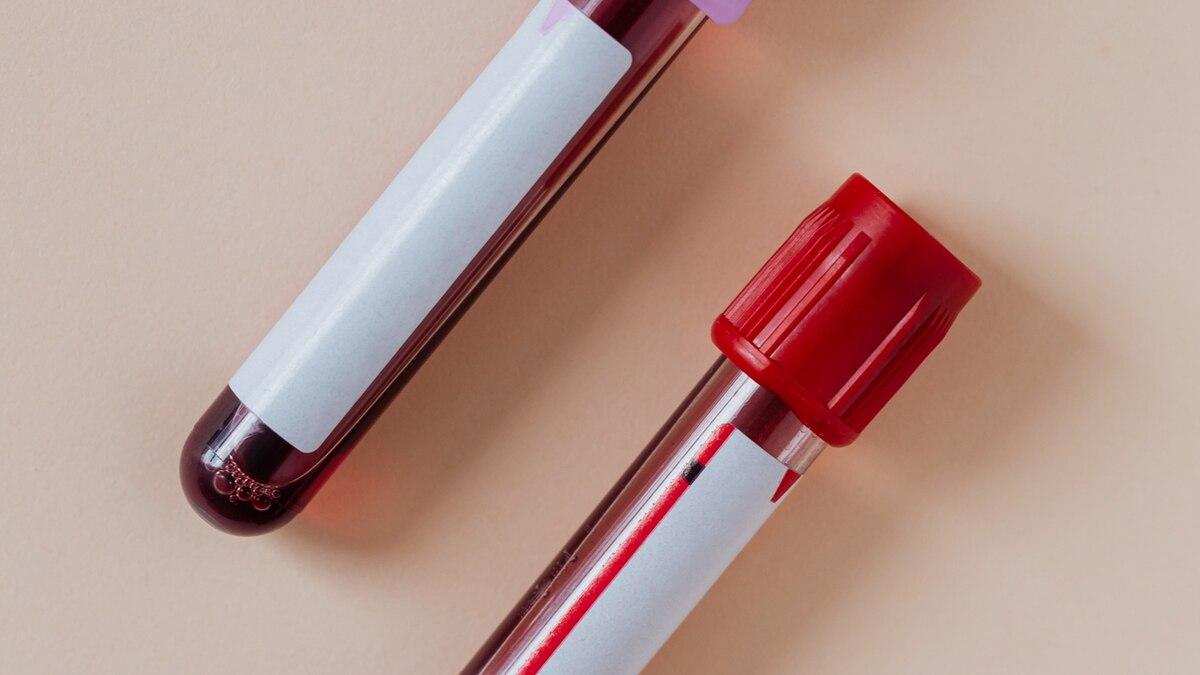
Pregnancy blood tests are among the most trusted medical tools used to confirm pregnancy and monitor maternal health. Despite their accuracy and widespread use, many misconceptions continue to circulate online and through word of mouth. These myths can create confusion, unnecessary anxiety, and unrealistic expectations for women trying to conceive or navigating early pregnancy.
A Pregnancy Blood Test Dubai provides valuable information about human chorionic gonadotropin (hCG) levels, pregnancy progression, prenatal health, and potential complications. However, understanding what these tests can and cannot tell you is essential for making informed healthcare decisions.
Why Pregnancy Blood Tests Are Important?
Before addressing common myths, it is helpful to understand the role of pregnancy blood testing.
Healthcare providers use pregnancy blood tests to:
-
Confirm pregnancy
-
Measure hCG hormone levels
-
Monitor pregnancy development
-
Detect ectopic pregnancy
-
Assess miscarriage risk
-
Support fertility treatment monitoring
-
Evaluate high-risk pregnancies
-
Guide prenatal care decisions
Unlike urine pregnancy tests, blood tests can detect lower concentrations of pregnancy hormones, making them one of the most accurate methods available.
A Pregnancy Blood Test Is Always Necessary to Confirm Pregnancy:
Fact: Many Pregnancies Are Confirmed Without Blood Tests
While blood tests are highly accurate, they are not required for every pregnancy.
Many women confirm pregnancy using a home urine pregnancy test and then schedule a prenatal appointment. Blood testing is typically recommended when:
-
Early confirmation is needed
-
Pregnancy complications are suspected
-
Fertility treatments are involved
-
Previous pregnancy losses have occurred
-
Doctors need to monitor hCG levels
A positive home pregnancy test often provides sufficient evidence of pregnancy before formal medical evaluation.
Blood Tests Can Confirm Pregnancy Immediately After Conception:
Fact: Timing Still Matters
One of the most common misconceptions is that blood tests can detect pregnancy instantly after fertilization.
In reality, implantation must occur before hCG enters the bloodstream. This process generally takes several days after ovulation.
Most blood pregnancy tests can detect pregnancy approximately 6 to 8 days after ovulation, which is earlier than many urine tests but not immediately after conception.
Testing too early may result in a false-negative result because hCG levels have not yet reached detectable levels.
Higher hCG Levels Always Mean a Healthier Pregnancy:
Fact: hCG Levels Vary Widely
Many women assume that higher hCG levels automatically indicate a stronger or healthier pregnancy.
The truth is that normal hCG levels vary significantly from one woman to another.
A healthy pregnancy may have:
-
Lower-than-average hCG levels
-
Average hCG levels
-
Higher-than-average hCG levels
Healthcare providers focus more on how hCG levels change over time rather than a single number.
Consistent growth patterns are often more important than the actual value itself.
A Single Blood Test Provides All the Answers:
Fact: Trends Matter More Than One Result
Many women expect one blood test to provide a complete picture of pregnancy health.
However, pregnancy monitoring often requires multiple tests.
Doctors may order repeat quantitative hCG testing to evaluate:
-
Hormone progression
-
Pregnancy viability
-
Ectopic pregnancy concerns
-
Early miscarriage risk
Comparing hormone trends over several days often reveals more useful information than a single laboratory result.
Pregnancy Blood Tests Can Determine the Baby's Gender Early:
Fact: Standard Blood Tests Do Not Reveal Gender
Routine pregnancy blood tests measure hormones and assess maternal health. They do not determine fetal gender.
However, specialized genetic screening such as non-invasive prenatal testing (NIPT) may identify fetal sex because it analyzes fetal DNA circulating in maternal blood.
Standard hCG testing alone cannot predict whether you are carrying a boy or a girl.
Blood Pregnancy Tests Never Produce Incorrect Results:
Fact: False Results Can Occasionally Occur
Pregnancy blood tests are extremely accurate, but no medical test is perfect.
Rare causes of inaccurate results include:
-
Testing too early
-
Laboratory errors
-
Certain fertility medications
-
Hormonal disorders
-
Recent pregnancy loss
-
Rare medical conditions
When results do not match symptoms or expectations, healthcare providers often recommend repeat testing or ultrasound evaluation.
Low hCG Levels Always Mean Miscarriage:
Fact: Low Levels Are Not Automatically Dangerous
Hearing that hCG levels are lower than expected can be frightening.
However, low levels may simply reflect:
-
Late ovulation
-
Incorrect pregnancy dating
-
Individual hormonal variation
While declining or abnormally slow-rising hCG levels may indicate concerns, a single low measurement does not automatically mean pregnancy loss.
Additional testing is usually required before any diagnosis can be made.
Blood Tests Can Detect Every Pregnancy Complication:
Fact: Blood Tests Are Only One Part of Prenatal Care
Pregnancy blood tests provide valuable information, but they cannot identify every potential complication.
Doctors also rely on:
-
Ultrasound imaging
-
Physical examinations
-
Maternal symptoms
-
Blood pressure monitoring
-
Fetal growth assessments
-
Medical history
Comprehensive prenatal care involves multiple tools working together to evaluate pregnancy health.
Fasting Is Always Required Before a Pregnancy Blood Test:
Fact: Most Pregnancy Blood Tests Do Not Require Fasting
Many women assume they must avoid food before every blood draw.
Most hCG blood tests can be performed without fasting.
However, additional laboratory testing performed during the same appointment may require temporary dietary restrictions.
Always follow the instructions provided by your healthcare provider or laboratory.
Pregnancy Blood Tests Are Only Useful During Early Pregnancy:
Fact: Blood Testing Remains Valuable Throughout Pregnancy
Blood tests continue to play an important role beyond pregnancy confirmation.
During prenatal care, blood work may be used to:
-
Screen for anemia
-
Detect infections
-
Monitor gestational diabetes
-
Evaluate liver and kidney function
-
Assess blood clotting disorders
-
Monitor high-risk pregnancies
Regular laboratory testing supports maternal and fetal wellbeing throughout all trimesters.
Common Questions Women Ask About Pregnancy Blood Tests:
How Accurate Is a Pregnancy Blood Test?
Pregnancy blood tests are generally more than 99% accurate when performed at the appropriate time.
Is a Blood Test Better Than a Home Pregnancy Test?
Blood tests are more sensitive and can detect lower hCG levels earlier than urine tests. However, both methods are highly reliable when used correctly.
How Long Does It Take to Receive Results?
Many laboratories provide results within a few hours to one day, although timing may vary depending on the healthcare facility.
Can Stress Affect hCG Levels?
Normal emotional stress does not significantly alter hCG production. Pregnancy hormone levels are primarily influenced by biological factors rather than daily stress.
What Healthcare Providers Want Patients to Understand?
Medical professionals consistently emphasize that pregnancy blood tests should be interpreted within the context of the entire pregnancy picture.
Important factors include:
-
Pregnancy symptoms
-
Ultrasound findings
-
Medical history
-
Gestational age
-
Hormone trends
-
Overall maternal health
Attempting to interpret results without professional guidance can sometimes lead to unnecessary worry or misunderstandings.
Working closely with a qualified healthcare provider ensures accurate interpretation and appropriate follow-up care.
The Bottom Line:
Pregnancy blood Lab tests are highly accurate diagnostic tools that provide essential information about pregnancy confirmation, hormone levels, prenatal health, and potential complications. However, many myths continue to surround these tests, from misconceptions about hCG levels to misunderstandings about gender prediction and fasting requirements. Understanding the facts allows expectant mothers to approach testing with realistic expectations and greater confidence. While blood tests play a vital role in prenatal care, they are most effective when combined with medical evaluation, ultrasound imaging, and ongoing monitoring. By separating myths from facts, women can make informed decisions and better understand the valuable role pregnancy blood tests play throughout the pregnancy journey.
Categorieën
Read More
"Executive Summary Robotic Gripper Market Market Size and Share Forecast CAGR Value The global robotic gripper market size was valued at USD 1.79 billion in 2024 and is expected to reach USD 3.88 billion by 2032, at a CAGR of 10.10% during the forecast period Competitive analysis performed in this Robotic Gripper Market Market report puts forth the...

In today's digital world, online platforms have become a convenient way to access various services from anywhere. However, keeping your account secure is just as important as enjoying its features. If you are using My99 Exchange, following the right login and security practices can help protect your account from unauthorized access while ensuring a smooth experience. Whether you are...

A bathroom should feel clean, open, and thoughtfully designed. One of the most effective ways to improve both appearance and usability is with glass shower doors nashville. These sleek enclosures create a brighter, more polished environment while adding practical benefits that improve daily use. For homeowners looking to modernize the bathroom without overwhelming the space, glass shower doors...

" According to the latest report published by Data Bridge Market Research, the Europe Hearing Aids Market The Europe Hearing Aids Market size was valued at USD 2.88 billion in 2024 and is expected to reach USD 4.76 billion by 2032, at a CAGR of 6.50% during the forecast period The large scale Europe Hearing Aids Market report comprises of historic...

Essential oils have become a popular part of modern wellness routines, skincare products, aromatherapy blends, and home fragrances. Their natural properties and pleasant aromas make them valuable for both individual users and businesses looking to create high-quality products. Whether you are a small business owner, a spa operator, or someone who enjoys natural living, understanding how to...