How Finance Teams Can Improve Efficiency Through AR Outsourcing
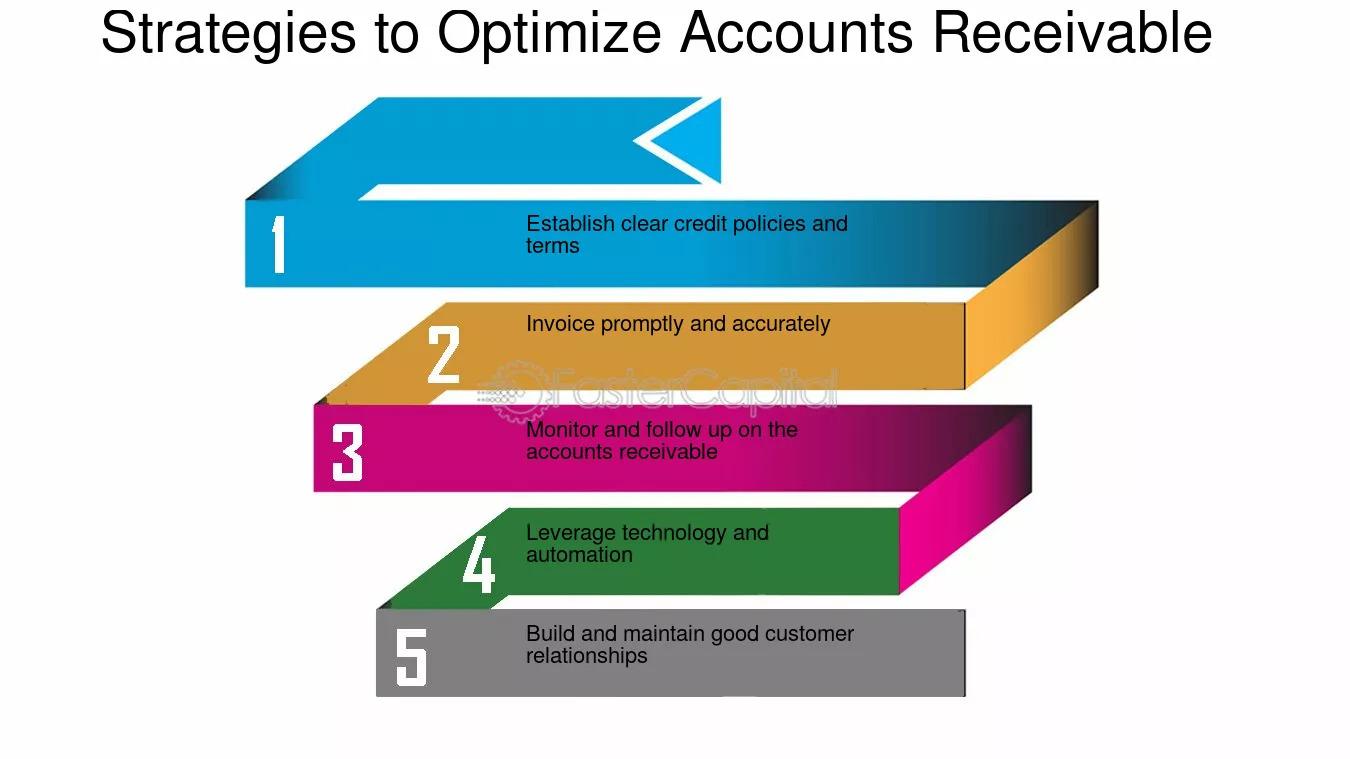
Accounts receivable (AR) outsourcing has become a strategic financial decision for businesses of all sizes, especially as companies look for ways to improve cash flow, reduce operational costs, and focus more on core business activities. In simple terms, AR outsourcing means handing over the responsibility of managing invoices, collections, and customer payments to a specialized external provider. While it may seem like just a cost-saving move at first, it actually delivers long-term financial and operational advantages that can significantly improve business performance.
Understanding Accounts Receivable Outsourcing
Accounts receivable refers to the money a business is owed by its customers for goods or services delivered on credit. Managing this process involves issuing invoices, tracking due payments, sending reminders, reconciling accounts, and following up on overdue invoices.
When a business chooses outsourcing, these tasks are handled by a third-party service provider who specializes in financial operations. These providers use advanced accounting systems, automation tools, and trained professionals to ensure payments are collected on time and accurately recorded.
Instead of spending internal resources on chasing payments, businesses can focus on growth, sales, and customer relationships.
Improved Cash Flow Management
One of the biggest advantages of accounts receivable outsourcing is improved cash flow. Cash flow is the lifeline of any business, and delays in customer payments can create financial stress.
Outsourcing providers follow structured collection processes that ensure invoices are sent on time and follow-ups are consistent. They also use automated reminders and escalation procedures to reduce payment delays. As a result, businesses experience faster collections and more predictable cash flow.
With steady cash flow, companies can reinvest in operations, pay employees on time, and avoid unnecessary borrowing.
Reduced Operational Costs
Maintaining an in-house accounts receivable team can be expensive. Businesses need to invest in salaries, training, accounting software, infrastructure, and compliance management. For small and medium-sized companies, these costs can quickly add up.
Outsourcing eliminates many of these expenses. Instead of hiring a full-time team, businesses pay only for the services they need. This makes AR outsourcing a cost-effective solution that reduces overhead while maintaining high-quality financial management.
Additionally, outsourcing providers already have the tools and systems in place, so businesses do not need to invest in expensive accounting software or upgrades.
Faster Invoice Processing and Collections
Delayed invoicing often leads to delayed payments. AR outsourcing providers ensure that invoices are generated and sent promptly, reducing the chances of payment delays.
They also maintain a structured follow-up system that includes reminders before and after due dates. This proactive approach significantly improves the speed of collections.
Faster payments mean businesses can maintain healthy liquidity and reduce dependency on external financing.
Access to Expert Financial Professionals
Accounts receivable outsourcing companies employ skilled professionals who specialize in billing, collections, and financial reconciliation. These experts understand industry best practices, compliance requirements, and customer communication strategies.
This expertise ensures fewer errors in billing and better handling of disputes or payment issues. Businesses benefit from professional financial management without needing to build expertise internally.
Reduced Risk of Errors and Fraud
Manual accounts receivable processes are prone to human errors such as incorrect invoicing, missed payments, or duplicate entries. These errors can lead to financial losses and strained customer relationships.
Outsourcing providers use automated systems that reduce the risk of such mistakes. They also follow strict internal controls and audit processes to ensure accuracy and transparency.
This level of control helps businesses maintain financial integrity and avoid costly errors.
Better Focus on Core Business Activities
Managing accounts receivable in-house requires significant time and effort. Employees often spend hours tracking payments, sending reminders, and resolving billing issues.
By outsourcing these tasks, businesses can redirect their internal resources toward core activities such as product development, marketing, sales, and customer service.
This shift in focus improves overall productivity and helps companies grow faster without being distracted by administrative tasks.
Scalability and Flexibility
As businesses grow, their financial operations become more complex. Handling a larger volume of invoices and customers can overwhelm an in-house team.
Accounts receivable outsourcing provides scalability. Service providers can easily adjust to increasing transaction volumes without compromising efficiency or accuracy. Whether a company is expanding locally or globally, outsourcing ensures that financial operations scale smoothly.
This flexibility is particularly valuable for seasonal businesses or startups experiencing rapid growth.
Improved Customer Communication
Timely and professional communication plays a key role in successful collections. Outsourcing providers often have dedicated customer communication teams that handle payment reminders and dispute resolution.
They ensure that communication remains polite, consistent, and professional, which helps maintain positive customer relationships while still ensuring timely payments.
This balance is often difficult to achieve with internal teams that may lack specialized training in collections communication.
Enhanced Reporting and Financial Insights
Modern AR outsourcing services provide detailed financial reports and dashboards. These insights include aging reports, payment trends, outstanding balances, and customer behavior analysis.
Such data helps businesses make informed financial decisions. For example, companies can identify slow-paying customers, adjust credit policies, and improve overall financial planning.
With better visibility into receivables, businesses can manage risk more effectively.
Strengthened Compliance and Security
Financial data management must comply with regulatory standards and security protocols. Outsourcing providers typically follow strict compliance frameworks and use secure systems to protect sensitive financial information.
This reduces the risk of data breaches and ensures that financial operations meet legal and industry standards.
For businesses operating in multiple regions, this compliance support is especially valuable.
Competitive Advantage in the Market
Efficient cash flow management gives businesses a competitive edge. Companies that collect payments faster and manage receivables efficiently can invest more in innovation, marketing, and expansion.
Accounts receivable outsourcing enables businesses to operate more efficiently than competitors who still rely on manual or outdated processes.
This efficiency translates into stronger financial stability and better long-term growth potential.
Conclusion
Accounts receivable outsourcing is more than just a cost-cutting strategy—it is a smart financial decision that improves cash flow, reduces operational burden, and enhances overall efficiency. By leveraging expert professionals, automation tools, and structured processes, businesses can ensure faster collections, fewer errors, and better financial visibility.
In today’s competitive business environment, companies that optimize their receivables management are better positioned for sustainable growth. Whether you are a small business or a large enterprise, outsourcing accounts receivable can provide the financial stability and operational freedom needed to focus on what truly matters—growing your business.
Categories
Read More
Forcevital Germany ist ein Nahrungsergänzungsmittel, das verschiedene Mikronährstoffe, Aminosäuren und Pflanzenextrakte in einer täglichen Kapsel kombiniert. Das Produkt richtet sich insbesondere an erwachsene Männer, die ihre tägliche Ernährung mit ausgewählten Nährstoffen ergänzen möchten. ...

In the modern restaurant industry, efficiency, consistency, and food quality are key factors that determine business success. Commercial kitchens need advanced equipment that can handle high-volume cooking while maintaining excellent results. A reliable fryer is especially important for restaurants that serve fried chicken, seafood, appetizers, and other fried menu items. The Henny Penny...

The Global Travel Insurance Market Report presents an in-depth analysis, merging qualitative and quantitative insights to provide a holistic understanding of the market's dynamics. The report evaluates growth drivers, challenges, and constraints while forecasting revenue trends across key segments. It offers both historical and projected data, giving stakeholders a clear view of market trends...

Mahadev Online Book – Your Trusted Platform for Online Betting and Gaming The world of online gaming and sports betting is growing rapidly, offering users endless entertainment and exciting opportunities to win. Among the top names in this digital revolution is Mahadev Online Book — a reliable and secure betting platform designed for players who value trust, transparency, and...

This mechanic isn't immediately obvious, which is why many players think they've encountered ARC Raiders Coins a bug. How to Avoid Wasting a Run To prevent frustration and lost time, follow these tips: 1. Check the Delivery Container First As soon as you enter Rocket Assembly, quickly inspect the final delivery container near the exit. If it's empty → You' re clear to...