


Why Salicylic Acid Tea tree Facewash Clears Acne Fast
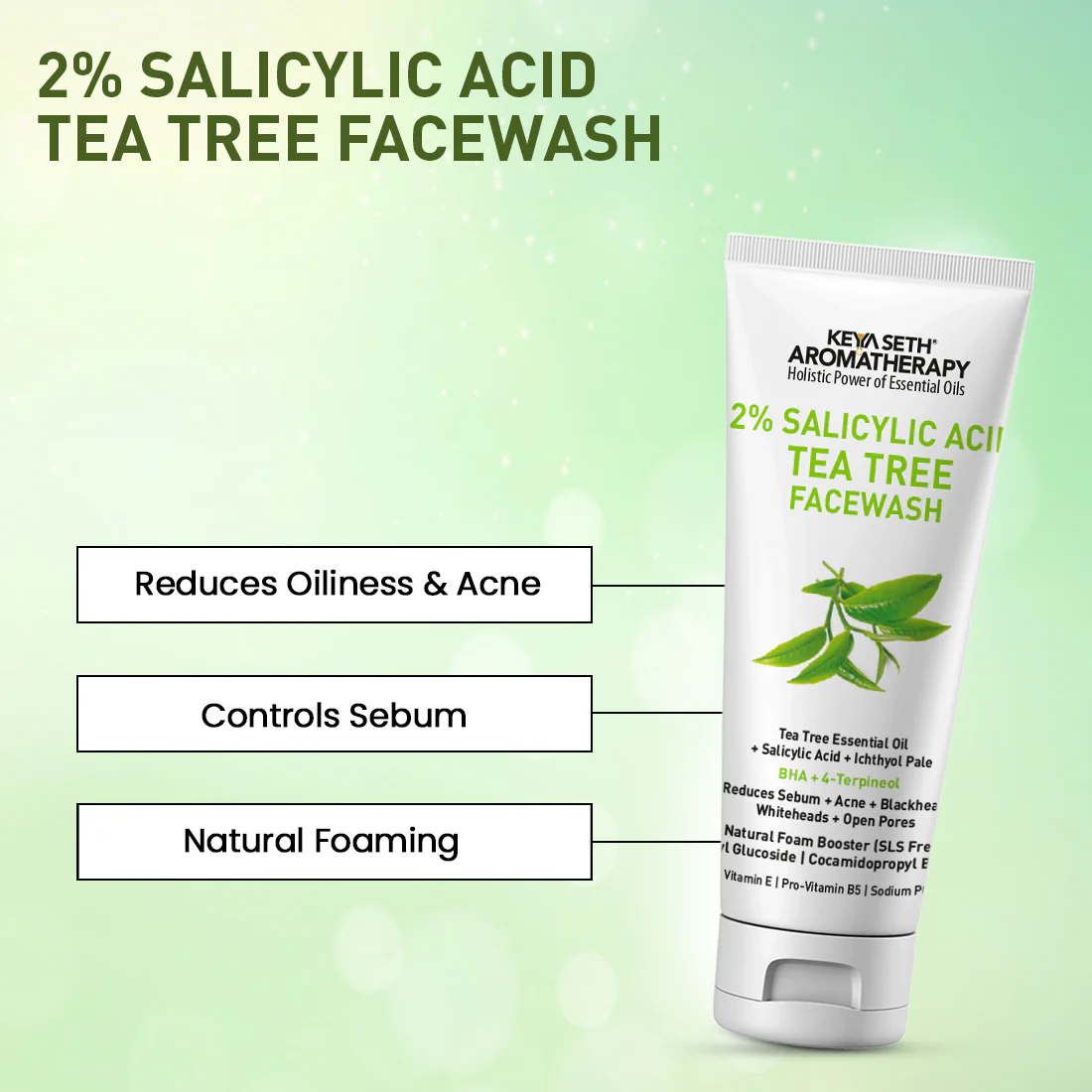
Salicylic Acid Tea tree Facewash is popular for acne-prone skin because it targets two common breakout triggers at once: clogged pores and excess oil. Acne often starts when dead skin cells, sebum, and impurities collect inside pores. When this buildup is not cleared properly, it can lead to blackheads, whiteheads, pimples, and inflamed breakouts.
A facewash that combines salicylic acid and tea tree can be useful because each ingredient plays a different role. Salicylic acid helps exfoliate inside the pores, while tea tree supports a cleaner, calmer skin environment. Together, they can make the skin feel fresher, less greasy, and more balanced when used correctly.
Acne is not just a cosmetic concern. It can affect confidence, comfort, and daily routine. The American Academy of Dermatology explains that acne develops when pores become clogged with oil and dead skin cells, and salicylic acid has long been used to help open clogged pores and exfoliate acne-prone skin.
What Is Salicylic Acid Tea tree Facewash?
Salicylic Acid Tea tree Facewash is a cleanser made for oily, acne-prone, and congested skin. It usually contains salicylic acid, a beta hydroxy acid, and tea tree extract or tea tree oil, a plant-based ingredient known for its skin-purifying properties.
In simple words, salicylic acid helps clean deeper inside oily pores, while tea tree helps reduce the feeling of greasiness and supports clearer-looking skin.
What Does Salicylic Acid Mean?
Salicylic acid is a beta hydroxy acid, often called BHA. BHA means it can mix well with oil, which helps it reach into pores where excess sebum and dead skin cells collect.
Think of your pores like tiny drains. When oil and dead skin block those drains, breakouts can appear. Salicylic acid helps loosen that buildup so the skin can look clearer and smoother.
The American Academy of Dermatology notes that salicylic acid is used in acne products, including cleansers and moisturizers, to exfoliate skin and help open clogged pores.
What Does Tea Tree Do for Skin?
Tea tree refers to an essential oil or extract from the Melaleuca alternifolia plant. In skincare, it is commonly used in products for oily and blemish-prone skin.
Tea tree is valued because it can help skin feel fresh, clean, and less oily. However, it should be used in properly formulated products because pure tea tree oil can irritate sensitive skin when applied directly.
Mayo Clinic states that products containing tea tree oil may help relieve acne, though tea tree may work more slowly than some conventional acne treatments and can cause dryness, redness, itching, or burning in some people.
Why Acne Forms in the First Place
Acne forms when pores become blocked. This blockage often includes oil, dead skin cells, bacteria, and inflammation.
The skin naturally produces oil to stay soft and protected. But when oil production becomes excessive, especially during hormonal changes, stress, humidity, or poor skincare habits, pores can become congested.
The Common Acne Cycle
Acne usually follows a simple pattern.
First, the skin produces excess oil. Then, dead skin cells stick to the oil instead of shedding normally. This mixture blocks the pore. Bacteria may grow inside the blocked pore. The skin responds with redness, swelling, and sometimes pain.
This is why washing your face with a regular cleanser may not always be enough. A normal cleanser may remove surface dirt, but acne-prone skin often needs ingredients that help clear pore buildup more effectively.
Why Oily Skin Breaks Out More Often
Oily skin is more likely to develop clogged pores because sebum can trap dead skin cells and impurities. This does not mean oil is bad. Your skin needs some oil to stay healthy. The problem begins when oil becomes excessive or when pores cannot shed dead cells properly.
For example, someone who travels daily in pollution, sweats often, or wears sunscreen and makeup may notice more clogged pores if cleansing is not effective. In such cases, a salicylic acid and tea tree cleanser can support a cleaner routine.
How Salicylic Acid Tea tree Facewash Clears Acne Fast
Salicylic Acid Tea tree Facewash clears acne faster than a basic cleanser because it works beyond surface-level washing. It helps remove excess oil, loosen dead skin buildup, and reduce the conditions that make breakouts worse.
It Helps Unclog Pores
The biggest benefit of salicylic acid is pore cleansing. Since it is oil-soluble, it can work inside oily areas of the skin. This makes it useful for blackheads, whiteheads, and tiny bumps caused by congestion.
When pores are less clogged, new pimples are less likely to form. Existing blemishes may also look less angry because the skin is no longer fighting as much trapped buildup.
It Gently Exfoliates Dead Skin
Exfoliation means removing dead skin cells from the surface. Salicylic acid helps the skin shed these cells more smoothly.
This matters because acne-prone skin often holds onto dead cells. These cells mix with oil and create plugs inside pores. With regular use, salicylic acid can help reduce rough texture and dullness.
A good comparison is cleaning a window. If dust keeps collecting on the glass, light cannot pass through clearly. In the same way, dead skin buildup can make your face look uneven, tired, and congested.
It Controls Excess Oil
Tea tree and salicylic acid together can help oily skin feel more balanced. A facewash cannot permanently stop oil production, but it can remove extra oil without leaving the skin feeling heavy or greasy.
This is especially useful for people who experience shine around the forehead, nose, and chin. These areas, often called the T-zone, are common places for blackheads and pimples.
It Supports a Cleaner Skin Environment
Breakouts often become worse when the skin environment is oily, sweaty, and congested. Tea tree helps give the skin a purified feel, while salicylic acid helps reduce pore buildup.
This combination can be helpful for people who get breakouts after workouts, long commutes, helmet use, or humid weather.
It May Reduce the Look of Redness Over Time
Tea tree is often used in acne care because it has soothing and purifying properties. However, results vary by skin type and formula strength.
The key is consistency. A facewash is rinsed off, so it is gentler than many leave-on treatments. That makes it easier for beginners to add into a routine without overwhelming the skin.
Key Benefits of Salicylic Acid Tea tree Facewash
Salicylic Acid Tea tree Facewash offers several benefits for people dealing with acne, oiliness, and clogged pores.
Helps Reduce Pimples
By clearing oil and dead skin buildup, this facewash can help reduce the chances of new pimples forming. It is especially useful for mild acne and recurring small breakouts.
Targets Blackheads and Whiteheads
Blackheads and whiteheads are caused by clogged pores. Salicylic acid is especially helpful here because it works inside the pore lining.
This is why many dermatologists recommend salicylic acid products for comedonal acne, which means acne involving clogged pores rather than deep cysts.
Refreshes Oily Skin
Oily skin can feel sticky, heavy, or shiny by midday. A salicylic acid tea tree cleanser can leave the skin feeling fresh and clean without needing harsh scrubbing.
Improves Skin Texture
Regular use can make skin feel smoother because salicylic acid supports gentle exfoliation. This may help reduce tiny bumps and rough patches caused by buildup.
Supports a Simple Acne Routine
One major advantage of this facewash is convenience. It fits easily into a morning or evening routine and does not require complicated steps.
For beginners, a cleanser is often the easiest place to start.
Who Should Use Salicylic Acid Tea tree Facewash?
Salicylic Acid Tea tree Facewash is best suited for people with oily, combination, or acne-prone skin. It may also help those who experience frequent clogged pores, blackheads, whiteheads, or mild breakouts.
Best for Oily Skin
If your face becomes shiny soon after washing, this cleanser may be a good match. It helps remove excess oil and keeps the skin feeling cleaner.
Best for Acne-Prone Skin
If you often get pimples around the forehead, cheeks, jawline, or chin, this type of facewash can support your acne-control routine.
Best for Clogged Pores
If your skin feels bumpy or congested, salicylic acid can help exfoliate inside pores and improve clarity over time.
Use Carefully on Sensitive Skin
Sensitive skin can react to active ingredients. Tea tree and salicylic acid may cause dryness or irritation in some people.
Start slowly. Use the facewash once a day or a few times per week at first. Watch how your skin responds.
Who Should Avoid or Be Careful With It?
Not everyone needs this type of cleanser. People with very dry, irritated, peeling, or rosacea-prone skin should be cautious.
Mayo Clinic notes that tea tree oil can cause side effects such as minor itching, burning, redness, and dryness, and it may not be suitable for people with rosacea.
Avoid Overuse
Using acne cleansers too often can damage the skin barrier. The skin barrier is the outer protective layer that keeps moisture in and irritants out.
When the barrier is weak, skin may feel tight, red, itchy, or flaky. Breakouts may even get worse because irritated skin becomes more reactive.
Do Not Mix Too Many Actives at Once
Avoid using salicylic acid facewash with too many strong ingredients in the same routine, especially at the beginning. These may include retinoids, benzoyl peroxide, strong exfoliating acids, or harsh scrubs.
A simple routine usually works better than an aggressive one.
How to Use Salicylic Acid Tea tree Facewash Correctly
Use Salicylic Acid Tea tree Facewash gently and consistently. More product does not mean faster results.
Step 1: Wet Your Face
Start with lukewarm water. Avoid hot water because it can dry and irritate the skin.
Step 2: Apply a Small Amount
Take a coin-sized amount of facewash. Massage it gently over your face using your fingertips.
Do not scrub. Acne-prone skin needs care, not friction.
Step 3: Massage for 30 to 60 Seconds
Give the cleanser enough time to spread across oily and acne-prone areas. Focus on the forehead, nose, chin, and breakout-prone zones.
Step 4: Rinse Well
Rinse thoroughly so no cleanser remains on the skin. Leftover cleanser can cause dryness or irritation.
Step 5: Pat Dry
Use a soft towel and pat your skin dry. Do not rub aggressively.
Step 6: Moisturize
Always follow with a light, non-comedogenic moisturizer. Non-comedogenic means the product is designed not to clog pores.
Many people skip moisturizer because they have oily skin. This is a mistake. When skin becomes too dry, it may produce even more oil to compensate.
Step 7: Use Sunscreen in the Morning
Sunscreen is important when using exfoliating ingredients. Salicylic acid can make skin more sensitive to dryness and sun exposure.
Choose a lightweight, non-greasy sunscreen if you have oily or acne-prone skin.
Morning or Night: When Should You Use It?
You can use Salicylic Acid Tea tree Facewash in the morning, at night, or both depending on your skin tolerance.
Morning Use
Morning use helps remove oil that builds up overnight. It also prepares the skin for moisturizer and sunscreen.
Night Use
Night use is helpful if you wear sunscreen, makeup, or spend time outdoors. It helps clean away sweat, oil, and daily impurities.
Best Beginner Routine
For beginners, start once daily at night. If your skin feels comfortable after one to two weeks, you may increase usage if needed.
How Fast Can You See Results?
Some people notice less oiliness after the first wash. However, visible acne improvement usually takes several weeks.
A facewash can help quickly with freshness, oil control, and clogged pores, but acne itself needs time to calm. Skin renewal is not instant.
What to Expect in Week 1
Your skin may feel cleaner and less greasy. Some small bumps may begin to look less noticeable.
What to Expect in Weeks 2 to 4
Clogged pores may reduce gradually. Breakouts may appear less frequent if the product suits your skin.
What to Expect After 6 to 8 Weeks
With consistent use, skin texture and acne patterns may improve. If acne remains painful, cystic, or severe, a dermatologist can recommend stronger treatment options.
The 2024 American Academy of Dermatology acne guidelines include several topical therapies used in acne care, including salicylic acid, benzoyl peroxide, retinoids, azelaic acid, and others.
Common Mistakes to Avoid
Using the right facewash incorrectly can reduce results. Here are the most common mistakes.
Washing Too Often
Washing your face four or five times a day may feel helpful, but it can strip your skin. Twice daily is enough for most people.
Scrubbing Pimples
Scrubbing does not remove acne from the root. It can break the skin surface and increase irritation.
Skipping Moisturizer
Acne-prone skin still needs hydration. A light moisturizer helps protect the skin barrier and reduces dryness.
Expecting Overnight Results
A facewash can make skin feel cleaner quickly, but acne improvement takes time. Give it at least a few weeks before judging results.
Using Too Many Acne Products Together
Layering multiple strong products can cause redness, peeling, and sensitivity. Start simple.
Real-World Example: How It Fits Into a Daily Routine
Imagine someone with oily skin who gets pimples around the nose and chin. They travel to work, wear sunscreen, and sweat during the day. By evening, their skin feels greasy and congested.
A Salicylic Acid Tea tree Facewash can help remove excess oil and clear pore buildup at night. After cleansing, they apply a light moisturizer. In the morning, they use a gentle cleanser or the same facewash if their skin tolerates it, then apply sunscreen.
This routine is simple, realistic, and easy to maintain. That is why it works better than complicated routines that people stop following after a few days.
What Is the Difference Between a Facewash and Acne Treatment?
A facewash cleanses the skin. An acne treatment usually stays on the skin longer.
This is important because a facewash is rinsed off. It may help with oil, dirt, and pore buildup, but moderate or severe acne may need leave-on treatments recommended by a dermatologist.
For mild acne, a salicylic acid tea tree cleanser may be enough to support clearer skin. For painful cysts, scarring, or persistent breakouts, professional care is better.
Can Salicylic Acid Tea tree Facewash Remove Acne Marks?
Salicylic Acid Tea tree Facewash may help improve skin texture and prevent new breakouts, but it is not mainly designed to remove deep acne marks.
Acne marks can include dark spots, red marks, or scars. Dark spots may fade over time with sunscreen and targeted ingredients. True scars usually need professional treatments.
By helping reduce new pimples, this facewash can lower the chance of future marks.
Is It Safe for Daily Use?
It can be safe for daily use if your skin tolerates it. The right frequency depends on your skin type, product strength, and overall routine.
If your skin becomes dry, tight, red, or flaky, reduce usage. Use it once daily or every other day. Pair it with a gentle moisturizer.
Can Teenagers Use Salicylic Acid Tea tree Facewash?
Teenagers with oily or acne-prone skin may use this type of facewash, but they should start gently. Teenage skin can be sensitive, especially during hormonal changes.
A simple routine is best: cleanser, moisturizer, and sunscreen. Strong treatments should be used with guidance from a parent, pharmacist, or dermatologist.
Can Men Use Salicylic Acid Tea tree Facewash?
Yes. Men can use Salicylic Acid Tea tree Facewash, especially if they have oily skin, shaving bumps, sweat-related breakouts, or clogged pores.
Men who shave should avoid applying harsh products immediately after shaving if the skin feels irritated. Use a soothing moisturizer afterward.
How to Choose the Best Salicylic Acid Tea tree Facewash
Choose a formula that is effective but not harsh.
Look for Gentle Cleansing
The facewash should clean without leaving your skin painfully tight. Tightness is not a sign of deep cleaning. It is often a sign of dryness.
Check for Non-Comedogenic Claims
Non-comedogenic products are better for acne-prone skin because they are less likely to clog pores.
Avoid Harsh Fragrance
Strong fragrance can irritate sensitive or acne-prone skin. A mild formula is usually safer.
Choose Skin-Friendly Support Ingredients
Helpful supporting ingredients may include aloe vera, glycerin, niacinamide, panthenol, or green tea. These can help balance cleansing with comfort.
Frequently Asked Questions
What is Salicylic Acid Tea tree Facewash?
Salicylic Acid Tea tree Facewash is an acne-focused cleanser that combines salicylic acid and tea tree to help remove excess oil, unclog pores, and support clearer-looking skin.
Why does Salicylic Acid Tea tree Facewash work for acne?
It works because salicylic acid helps exfoliate inside oily pores, while tea tree helps support a cleaner and calmer skin environment. This makes it useful for oily and acne-prone skin.
Can I use it every day?
Yes, many people can use it daily. However, start slowly if you have sensitive skin. Reduce use if you notice dryness, burning, redness, or peeling.
Does it clear acne overnight?
No facewash can reliably clear acne overnight. It may reduce oiliness quickly, but visible acne improvement usually takes several weeks of consistent use.
Should I use moisturizer after it?
Yes. Moisturizer helps protect the skin barrier and prevents dryness. Choose a lightweight, non-comedogenic moisturizer.
Can I use it with benzoyl peroxide?
You can, but be careful. Using multiple acne ingredients together may irritate the skin. Start slowly or ask a dermatologist if your acne is persistent.
Final Thoughts
Salicylic Acid Tea tree Facewash can be a smart choice for oily, acne-prone, and clogged skin. It helps tackle acne where it often begins: inside blocked pores. Salicylic acid supports exfoliation and pore cleansing, while tea tree helps the skin feel fresher and more balanced.
The key is to use it correctly. Cleanse gently, avoid over-washing, moisturize daily, and protect your skin with sunscreen. With consistent use, this facewash can become a simple but effective part of a clearer-skin routine.
For best results, choose a gentle formula, give your skin time to adjust, and stay consistent. Explore related skincare products designed for acne-prone skin and build a routine that supports clear, healthy-looking skin every day.
Categorieën
Read More
Final4-Teilnehmer Bekanntgegeben Die Entscheidung für die ersten Final4-Teilnehmer in der Sparkassen Verbandsliga Rheinland ist gefallen. Während der Titelverteidiger diesmal nicht dabei ist, hat Fortuna Köln den Einzug geschafft, basierend auf einem leicht besseren Torverhältnis. Der Kampf um die Tabellenplätze in der Sparkassen Verbandsliga Rheinland bleibt spannend,...

AUS Check-in is an important step in the travel process for passengers departing from Austin's primary airport. Whether you're flying for business, leisure, or a family visit, understanding how the process works can help make your airport experience smoother and more efficient. Modern facilities, multiple check-in options, and organized passenger services allow travelers to begin their journey...

The oilseeds market is not a monolithic entity but a rich ecosystem of different crop types, each with its own unique characteristics, uses, and market dynamics. While soybeans reign supreme in terms of overall volume and value, other oilseeds like canola, sunflower, and cottonseed play vital roles in meeting specific regional and industrial demands. The Oilseeds Market is defined by...

450g Gas Canister is widely used with many portable outdoor stove designs because it provides a practical balance between capacity, portability, and cooking duration for camping, hiking, fishing, caravanning, and other recreational activities. Choosing compatible equipment allows outdoor users to prepare meals efficiently while supporting convenient transportation and storage during everyday...

Introduction About Raphael Dias Belloli Raphael Dias Belloli is recognized for his dynamic presence on the football field, particularly excelling as a left midfielder. His impressive ability to link play between defense and attack, combined with his precise passing and agile dribbling, sets him apart as a valuable asset to his team. Raphael’s tactical awareness and flair for creating...