Kattan Silk Maxi Dress & Plain Raw Silk Dresses in Pakistan
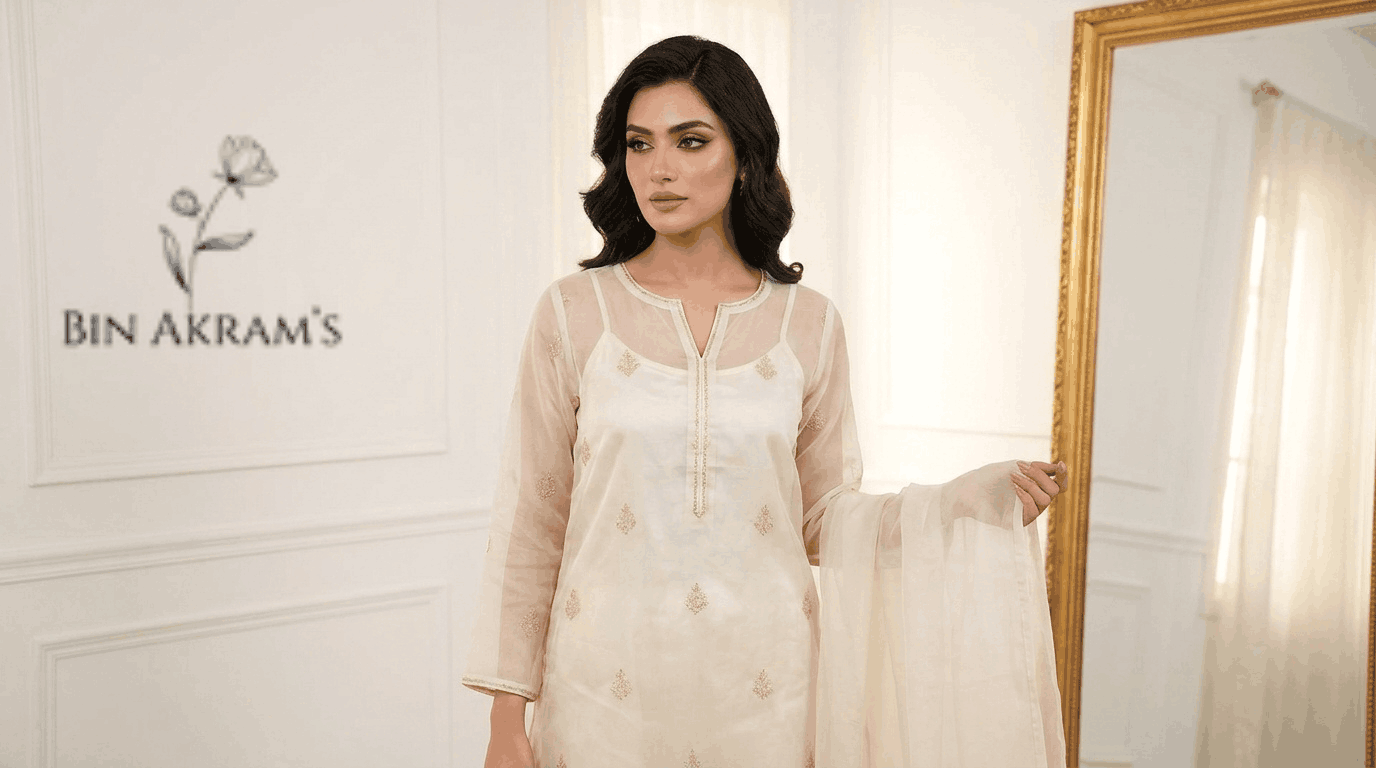
Pakistan's textile heritage is one of the richest in the world, and at the heart of its luxury fashion scene stand two timeless fabrics: kattan silk and plain raw silk. Whether you are dressing for a summer wedding in Lahore, an Eid gathering in Karachi, or a formal dinner in Islamabad, these fabrics have become the go-to choice for women who demand grace, comfort, and elegance in equal measure.
This comprehensive guide explores everything you need to know about kattan silk maxi dress Pakistan and plain raw silk dresses in Pakistan — from fabric characteristics and styling tips to care instructions, shopping advice, and pricing — so you can make a confident, informed choice for your next wardrobe investment.
What Is Kattan Silk? Understanding the Fabric
Kattan silk, sometimes written as 'katan silk,' is a finely woven, plain-weave silk fabric that is celebrated for its extraordinary smoothness and subtle shine. Unlike heavily embroidered or printed silks, kattan silk derives its beauty from the quality of the fiber itself — a testament to the principle that true luxury lies in simplicity.
Origin & Weave: Kattan silk is traditionally produced in South Asian weaving centers, with a tight, balanced plain weave that gives it a fluid drape and mirror-like surface. The word 'kattan' is believed to derive from the Arabic-Persian textile tradition, reflecting the fabric's centuries-old heritage.
Feel & Drape: The fabric feels cool and silky against the skin, making it exceptionally comfortable in Pakistan's warm climate. Its weight — typically light to medium — allows maxi dresses made from kattan silk to fall beautifully without clinging.
Sheen: Kattan silk carries a high, natural sheen that photographs brilliantly in both daylight and indoor lighting — a quality prized for wedding wear and formal occasions.
Why Pakistani Women Love Kattan Silk Maxi Dresses
◆ Fluid, flattering silhouette that suits all body types
◆ Breathable and cool — ideal for summer formals and outdoor events
◆ Available in a wide spectrum of solid colors, perfect for dyeing and block printing
◆ Pairs beautifully with embroidered dupattas and hand-embellished borders
◆ Long-lasting when properly cared for, making it a worthwhile investment
What Is Plain Raw Silk? A Fabric with Natural Character
Plain raw silk — also known as 'kora silk' or 'tussar-style silk' in local markets — is a minimally processed silk fabric that retains the natural texture and irregular slubs of the silk fiber. This gives it a distinctly organic, slightly textured appearance that sets it apart from the polished finish of kattan silk.
Natural Imperfections as a Feature: The characteristic slubs (thicker, uneven sections in the thread) are not defects — they are celebrated as the hallmark of authentic raw silk, giving each piece a unique, artisanal quality.
Matte to Soft Sheen: Unlike kattan silk, plain raw silk has a more understated luster — a soft glow rather than a full shine — which makes it incredibly versatile for both formal and semi-formal occasions.
Stitch-Friendly: Raw silk is a favorite among Pakistani boutique designers and home tailors because it holds stitching exceptionally well, making it ideal for custom-stitched shalwar kameez, angrakha cuts, and maxi dresses with intricate hand-sewn details.
Best Uses for Plain Raw Silk Dresses in Pakistan
◆ Unstitched fabric for custom tailoring and bespoke designs
◆ Ready-to-wear maxi dresses for formal dinners and mehndi events
◆ Banarsi base fabric for gold and silver zari embroidery
◆ Fusion wear combining traditional cuts with contemporary silhouettes
◆ Office formals that balance elegance with professionalism
Kattan Silk vs. Plain Raw Silk: A Quick Comparison
|
Feature |
Kattan Silk |
Plain Raw Silk |
|
Texture |
Smooth, lustrous, fluid drape |
Slightly textured, natural slub finish |
|
Weight |
Lightweight to medium |
Medium weight |
|
Sheen |
High shine, mirror-like |
Subtle matte-to-soft sheen |
|
Breathability |
Excellent — ideal for summer |
Very good — suitable year-round |
|
Best For |
Formal events, weddings, Eid |
Casual formals, daily wear, stitching |
|
Ironing |
Low heat recommended |
Medium heat with damp cloth |
|
Price Range (PKR) |
Rs. 1,200 – Rs. 4,500/meter |
Rs. 800 – Rs. 3,000/meter |
|
Popular Colors |
Ivory, Navy, Bottle Green, Wine |
Beige, Off-white, Dusty Rose, Sage |
Styling Kattan Silk Maxi Dresses: Occasions & Outfit Ideas
The maxi silhouette — floor-length or ankle-grazing — has become one of the most beloved dress styles in Pakistani fashion. When crafted in kattan silk, it elevates from a simple garment to a statement piece. Here is how to style it for different occasions:
1. Wedding Season & Valima
Opt for a kattan silk maxi in jewel tones such as bottle green, deep wine, midnight navy, or burnt orange. Pair with a heavily embroidered organza dupatta, gold jhumkas, and strappy heels. A simple embroidered hem or neckline embellishment keeps the dress looking bridal without overshadowing the fabric's natural beauty.
2. Eid ul Fitr & Eid ul Adha
Pastel kattan silk maxi dresses are the quintessential Eid choice. Powder pink, lilac, mint, and ivory are perennial bestsellers during Eid collections across brands from Karachi to Lahore. Style with a contrast-color silk dupatta and oxidized silver jewelry for a festive yet refined look.
3. Formal Dinners & Corporate Events
A structured kattan silk maxi in charcoal, ivory, or caramel with minimal embellishment reads as polished and sophisticated. Tuck in a silk blouse or add a tailored blazer for corporate events, and transition seamlessly to a dinner look by removing the blazer and adding a statement necklace.
4. Casual Summer Formals
Lightweight kattan silk in soft neutrals — beige, blush, or sky blue — makes for effortless summer styling. Keep accessories minimal: delicate pearl studs, a structured clutch, and strappy flats or block heels for all-day comfort.
Styling Plain Raw Silk Dresses: From Bazaar to Boutique
Plain raw silk's textured matte finish lends itself to a broader range of styling approaches, from traditional to contemporary fusion:
Traditional Pakistani Silhouettes
Raw silk pairs beautifully with traditional cuts: the angrakha, Anarkali, and straight-cut shirt over wide palazzo pants. Hand-embroidered gota kinari borders and mirror work embellishments complement the fabric's organic texture without overpowering it.
Contemporary Fusion Wear
Forward-thinking Pakistani designers are pairing plain raw silk with structured tailoring — think asymmetric hemlines, cape sleeves, and co-ord sets that blend Eastern heritage with Western minimalism. The fabric's natural drape makes it an ideal canvas for experimental silhouettes.
Unstitched Raw Silk for Custom Design
One of the biggest advantages of buying plain raw silk unstitched is the freedom to design your own dress. Pakistani women frequently purchase 4–6 meters of raw silk and take it to a trusted local tailor (darzi) for a completely bespoke outfit. Ensure you communicate clearly about lining requirements, as raw silk can be slightly sheer depending on the weave weight.
Where to Buy Kattan Silk & Raw Silk in Pakistan
Major Fabric Markets
◆ Anarkali Bazaar, Lahore — Pakistan's most iconic fabric market, with dozens of stalls offering kattan and raw silk by the meter at wholesale prices
◆ Bolton Market & Jodia Bazaar, Karachi — premier wholesale and retail destinations for silk fabrics in Sindh
◆ Saddar Bazaar, Rawalpindi — known for a wide selection of silk fabric in both imported and locally produced varieties
◆ Sitara Cloth Mills & Gul Ahmed outlets — reliable retail chains with consistent quality and fixed pricing across Pakistan
Online Shopping Platforms
◆ Daraz.pk — Pakistan's largest e-commerce platform with hundreds of kattan and raw silk fabric listings
◆ Brand websites (Sapphire, Sana Safinaz, Elan, Zara Shahjahan) — premium stitched and unstitched silk collections
◆ Instagram boutiques — a rapidly growing segment of Pakistan's fashion market, with independent designers offering bespoke raw silk dresses
◆ Facebook Marketplace — ideal for comparing prices and discovering regional sellers
Imported vs. Locally Produced Silk
Pakistan imports significant quantities of silk from China and India, while also producing smaller quantities domestically — particularly in Khyber Pakhtunkhwa and Punjab. Locally woven silk tends to carry a premium due to artisanal production methods and supports local weaving communities. For buyers prioritizing authenticity and heritage, asking specifically for local or handloom silk is recommended.
Pricing Guide: Kattan Silk & Raw Silk in Pakistan (2025)
Fabric prices in Pakistan fluctuate based on quality, thread count, finish, and market conditions. As a general guide for 2025:
◆ Economy-grade kattan silk: Rs. 1,200 – Rs. 2,000 per meter
◆ Mid-range kattan silk (good luster, consistent weave): Rs. 2,000 – Rs. 3,200 per meter
◆ Premium/imported kattan silk: Rs. 3,200 – Rs. 4,500+ per meter
◆ Economy raw silk (kora): Rs. 800 – Rs. 1,500 per meter
◆ Mid-range plain raw silk: Rs. 1,500 – Rs. 2,500 per meter
◆ Premium handloom raw silk: Rs. 2,500 – Rs. 3,000+ per meter
For a full maxi dress requiring 4–5 meters of fabric plus lining, budget approximately Rs. 8,000 – Rs. 25,000 for the fabric alone, depending on quality. Tailoring costs (stitching) typically range from Rs. 1,500 – Rs. 5,000 for a maxi dress in major Pakistani cities.
Care & Maintenance: How to Keep Silk Dresses Looking Luxurious
Silk is a natural protein fiber that requires gentle handling to maintain its sheen, drape, and longevity. Follow these guidelines to protect your kattan silk and raw silk garments:
Washing
◆ Always opt for dry cleaning for heavily embellished or formal silk dresses
◆ For unembellished pieces, hand wash in cold water using a mild silk detergent or baby shampoo
◆ Never wring or twist silk — gently press excess water out by rolling in a clean white towel
◆ Machine washing — even on delicate cycles — can damage silk fibers and is not recommended
Drying
◆ Always dry silk garments in the shade — direct sunlight fades color and weakens silk fibers
◆ Lay flat on a clean white towel to dry, or hang on a padded hanger away from direct light
◆ Never use a tumble dryer
Ironing
◆ Iron kattan silk on a low setting while slightly damp or with a damp pressing cloth
◆ For raw silk, use a medium heat iron with a damp cloth placed between the iron and the fabric
◆ Iron on the reverse (wrong side) of the fabric to preserve the surface sheen
◆ Never use steam directly on silk — it can cause water spots
Storage
◆ Store silk dresses in breathable cotton garment bags — never plastic, which traps moisture
◆ Add cedar blocks or lavender sachets to deter insects
◆ For long-term storage, fold with acid-free tissue paper to prevent crease lines becoming permanent
Popular Pakistani Brands Offering Silk Collections
Pakistan's fashion industry has grown enormously, and several established and emerging brands have built their identity around premium silk fabrics:
◆ Sana Safinaz — known for luxurious silk lawn and kattan silk formal collections
◆ Elan — celebrated for their refined silk formal wear, a wedding season staple
◆ Zara Shahjahan — champions traditional silk weaves with a contemporary aesthetic
◆ Sapphire — offers accessible kattan and raw silk options in both stitched and unstitched formats
◆ Misha Lakhani — couture silk pieces that merge Pakistani heritage with global design sensibility
◆ HSY (Hassan Sheheryar Yasin) — luxury silk couture for bridal and high-formal occasions
Beyond branded retail, Pakistan's thriving independent boutique scene — particularly on Instagram and local markets — offers unique, limited-edition silk designs that cater to buyers seeking individuality over mass-market fashion.
How to Identify Genuine Silk: A Quick Buyer's Guide
Unfortunately, synthetic fabrics are sometimes sold as silk in Pakistani markets, particularly at lower price points. Here are practical tests to verify silk authenticity before purchasing:
The Burn Test
Pull a few threads from an inconspicuous area and hold them to a flame. Genuine silk burns slowly, self-extinguishes, produces a smell similar to burning hair, and leaves a crushable black ash. Synthetic silk burns quickly, melts, and leaves a hard plastic bead.
The Ring Test
Pull a small piece of fabric through a ring (or finger loop). Genuine silk slides smoothly through with minimal resistance. Synthetic fabric tends to bunch or snag.
The Price Test
If a seller is offering 'pure kattan silk' at prices significantly below market rates (e.g., Rs. 500/meter), it is almost certainly synthetic or a silk-blend. Genuine silk carries a cost — and that cost reflects a fair price for an extraordinary natural fiber.
Final Thoughts: Investing in Pakistani Silk
Kattan silk maxi dresses and plain raw silk dresses pakistani represent far more than fashion choices, they are an investment in Pakistan's rich textile heritage, in local artisans, and in a standard of elegance that synthetic fabrics simply cannot replicate.
Whether you are drawn to the luminous sheen of kattan silk or the understated, natural character of plain raw silk, both fabrics offer an unmatched combination of beauty, comfort, and cultural significance.
As Pakistani fashion continues to gain international recognition, with designers like Elan, HSY, and Nomi Ansari showcasing on global platforms, silk remains the fabric that anchors this creative revolution to its roots. Wear it with pride, care for it with intention, and enjoy the confidence that comes with wearing one of the world's most celebrated natural fibers.
Nach Verein filtern
Read More
Cricket fever is hitting new highs in 2026, and for fans who love to add a little extra thrill to the match, finding the right platform is everything. Whether you're backing India in a T20 global or following the extreme action of franchise leagues, Tigerexch has positioned itself as a chief participant inside the online betting area. This year, they're turning heads with their "Ultimate...

Nicotine Pouch Market Worth USD 4.8 Billion in 2024, Expected to Reach USD 21.6 Billion by 2033 at a CAGR of 18.2% The global Nicotine Pouch Market is witnessing a rapid transformation as next-generation nicotine alternatives, advanced manufacturing technologies, and evolving consumer preferences accelerate industry expansion worldwide. According to research insights...
"Detailed Analysis of Executive Summary Achalasia Cardia Market Size and Share The global achalasia cardia market size was valued at USD 522.16 million in 2024 and is projected to reach USD 1,169.09 million by 2032, with a CAGR of 10.60% during the forecast period of 2025 to 2032. With this Achalasia Cardia Market report, businesses can get details about market drivers and...

Choosing the right legal support can make a significant difference in how effectively your personal and financial matters are handled. When it comes to finding the best attorney in Maryland, many individuals and families turn to stuslaw for reliable, experienced, and client-focused legal services. With a strong commitment to personalized care and attention to detail, stuslaw has built a...

Search traffic became difficult maintaining because online competition increased heavily across nearly every industry during recent years. Businesses publish articles regularly, improve technical performance, and still struggle gaining stable rankings from search engines consistently. Useful content definitely matters now, although search engines still rely on authority signals while deciding...