How Lounge Wall Paintings Improve the Ambiance of a Room?
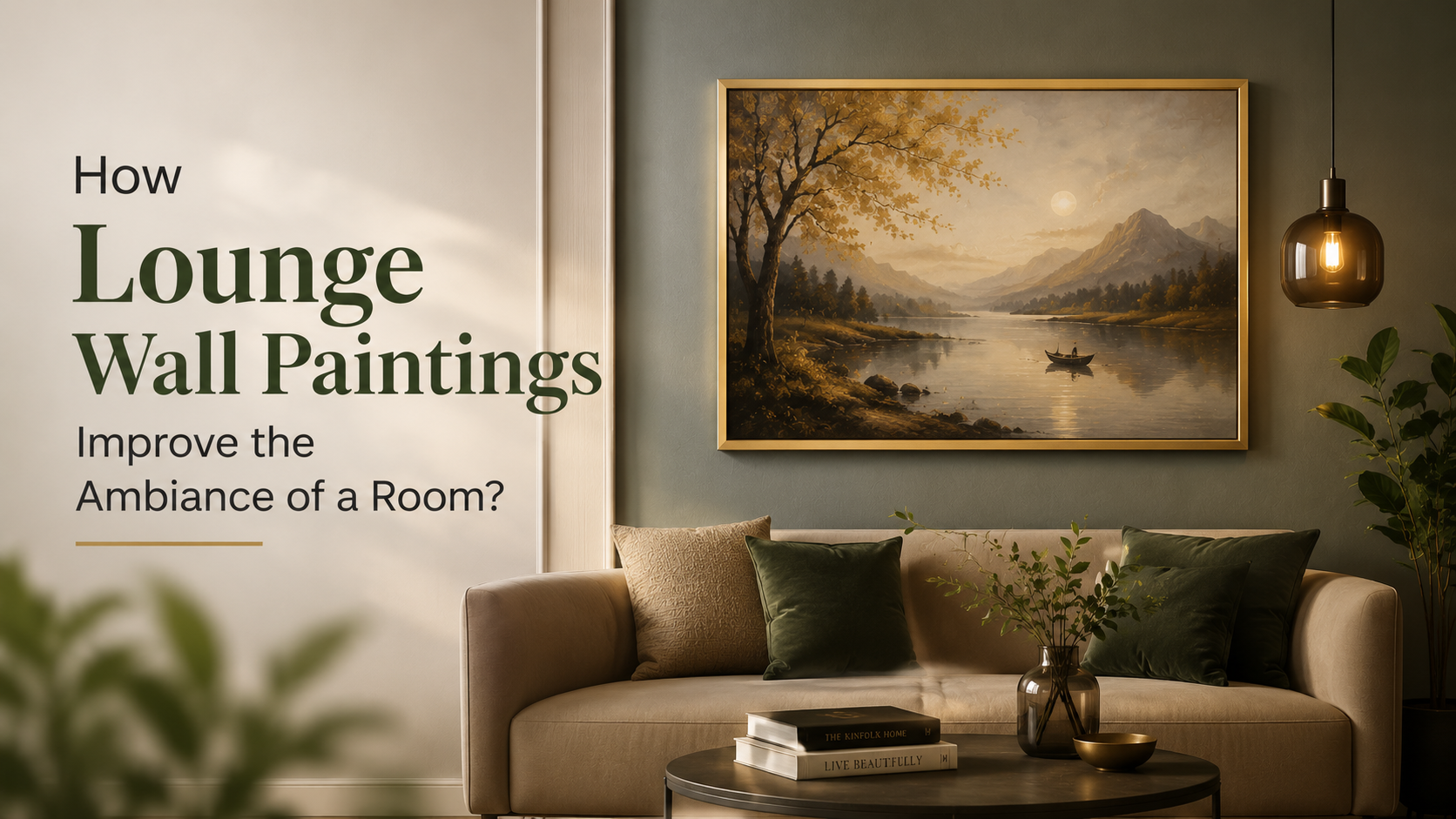
A lounge serves as one of the most frequently used spaces in a home. It welcomes guests, supports relaxation, and often reflects personal style. While furniture and lighting contribute significantly to its appearance, wall décor plays an equally important role. Among various decorative elements, lounge wall paintings have a remarkable ability to transform the atmosphere of a room. They introduce character, create visual interest, and influence emotions. When selected thoughtfully, paintings can elevate an ordinary lounge into a refined, inviting, and aesthetically pleasing environment.
The Visual Impact of Lounge Wall Paintings
Wall paintings immediately attract attention and establish a focal point within a room. As people enter a lounge, their eyes naturally gravitate toward artwork displayed on prominent walls.
A carefully chosen painting creates a sense of structure and purpose. Moreover, it prevents walls from appearing empty or unfinished. Whether large or small, artwork contributes depth and dimension to the overall setting.
Lounge wall paintings also help define the room’s personality. Abstract pieces can introduce energy and creativity, while nature-inspired artwork often promotes calmness and relaxation. Consequently, the room gains a stronger visual identity.
Creating a Strong First Impression
Guests often form opinions about a space within seconds of entering. Paintings contribute significantly to that first impression by setting the tone of the room.
Reflecting Style and Taste
Artwork communicates preferences and design sensibilities without requiring words. A sophisticated painting can suggest elegance, while colorful contemporary artwork can indicate a lively and modern atmosphere.
Moreover, paintings offer an opportunity to showcase individuality. Different artistic styles create distinct visual experiences that make a lounge memorable.
Adding a Sense of Completion
Many lounges feel incomplete when walls remain bare. Paintings bridge the gap between furniture and architectural elements.
As a result, the room appears balanced and thoughtfully designed. Even a single statement piece can bring cohesion to the entire interior.
Enhancing Emotional Atmosphere
Colors, shapes, and artistic themes have a direct influence on emotions. Therefore, paintings play a valuable role in shaping the mood of a lounge.
Promoting Relaxation
Soft landscapes, floral scenes, and calming abstract designs often create a peaceful environment. These visual elements reduce the feeling of clutter and encourage relaxation.
Furthermore, soothing artwork complements comfortable seating arrangements, making the lounge feel more welcoming.
Encouraging Positive Energy
Bright colors and dynamic compositions can energize a space. Such paintings stimulate visual interest and create an uplifting atmosphere.
Consequently, the lounge becomes more engaging for family gatherings and social interactions.
Supporting Comfort and Warmth
Warm-toned artwork featuring shades of gold, orange, beige, or red often contributes to a cozy environment.
In contrast, overly plain walls may feel cold or impersonal. Paintings soften the visual experience and make the room feel lived-in and inviting.
Improving Color Harmony
Color coordination remains one of the most important aspects of interior design. Paintings help integrate different colors present throughout the lounge.
Connecting Design Elements
Artwork can include shades found in:
-
Sofas
-
Cushions
-
Curtains
-
Rugs
-
Decorative accessories
-
Lighting fixtures
As a result, the room feels unified rather than fragmented.
Introducing Accent Colors
Sometimes a lounge lacks visual excitement because the color palette appears too neutral. Paintings introduce accent colors without requiring major renovations.
Moreover, artwork provides flexibility. Homeowners can refresh the room's appearance simply by changing paintings instead of replacing furniture.
Creating a Focal Point
Every well-designed room benefits from a central visual attraction. Lounge wall paintings serve this purpose exceptionally well.
A large painting above a sofa often becomes the dominant feature of the room. Consequently, it directs attention and organizes the surrounding décor.
Without a focal point, the eye may wander aimlessly across the space. Paintings provide direction and establish visual order.
Choosing the Right Placement
Strategic placement enhances effectiveness. Common locations include:
-
Above the main sofa
-
Behind accent chairs
-
Over a fireplace
-
Along a feature wall
-
Opposite the room entrance
Proper positioning ensures the artwork receives maximum visibility and impact.
Adding Depth and Dimension
Flat walls can make a room appear smaller and less engaging. Paintings introduce layers that increase visual complexity.
Expanding Perceived Space
Landscape paintings featuring open skies, forests, or coastal views often create the illusion of greater depth.
As a result, compact lounges may appear more spacious and airy.
Enhancing Architectural Features
Artwork can draw attention to attractive design elements within the room.
For example, paintings placed near alcoves, fireplaces, or decorative moldings highlight these features and enhance their visual importance.
Supporting Different Interior Styles
One of the greatest advantages of lounge wall paintings lies in their versatility. They complement virtually every design theme.
Modern Interiors
Modern lounges often feature:
-
Minimalist artwork
-
Geometric patterns
-
Abstract compositions
-
Monochromatic color schemes
These choices reinforce clean lines and contemporary aesthetics.
Traditional Interiors
Traditional spaces benefit from:
-
Landscape paintings
-
Classical artwork
-
Floral themes
-
Heritage-inspired pieces
Such paintings contribute elegance and timeless appeal.
Eclectic Interiors
Eclectic lounges allow greater creative freedom. Diverse artistic styles can coexist and create a distinctive visual narrative.
Consequently, the room feels vibrant and highly personalized.
Increasing Visual Interest
Even beautifully furnished lounges can feel monotonous without decorative wall elements.
Paintings introduce variation through:
-
Texture
-
Color
-
Shape
-
Subject matter
-
Artistic technique
Therefore, they keep the room visually engaging and prevent design fatigue.
Breaking Up Large Wall Areas
Large blank walls often dominate a room negatively. Artwork breaks these surfaces into visually manageable sections.
Moreover, paintings reduce emptiness and contribute a more balanced appearance.
Strengthening Personal Expression
A lounge often functions as a reflection of personal identity. Paintings provide an effective means of self-expression.
Showcasing Interests
Artwork can represent:
-
Nature
-
Architecture
-
Culture
-
Travel themes
-
Abstract concepts
-
Historical influences
These choices add personality and create meaningful connections with the space.
Telling a Visual Story
Collections of paintings can communicate themes and narratives.
Consequently, visitors gain insight into the homeowner’s aesthetic preferences while enjoying a more engaging environment.
Improving Social Spaces
Many lounges serve as gathering areas for family members and guests. Paintings contribute positively to social interactions.
Encouraging Conversation
Unique artwork naturally attracts attention and sparks discussion.
Guests often comment on interesting paintings, leading to engaging conversations and shared observations.
Creating a Welcoming Environment
Art helps establish warmth and hospitality.
Furthermore, visually appealing surroundings make visitors feel comfortable and appreciated, enhancing the overall social experience.
Balancing Proportions Within the Room
A well-balanced lounge feels harmonious and comfortable. Paintings help distribute visual weight throughout the space.
Complementing Furniture Arrangements
Large furniture pieces can appear overwhelming without decorative elements above them.
Paintings create balance by occupying vertical space and preventing furniture from dominating the room visually.
Reducing Visual Imbalance
Artwork strategically placed on empty walls offsets heavier design elements elsewhere.
As a result, the room achieves a more pleasing and proportional appearance.
The Psychological Benefits of Art
Art influences the human mind in subtle yet meaningful ways.
Reducing Stress
Calming artwork often encourages relaxation after a busy day.
Natural scenery, gentle color palettes, and harmonious compositions contribute to a soothing environment.
Enhancing Mood
Positive imagery and uplifting colors support emotional well-being.
Moreover, attractive surroundings can increase satisfaction with the living space and improve daily experiences.
Stimulating Creativity
Art encourages imagination and fresh perspectives.
Consequently, lounges featuring thoughtfully selected paintings often feel more inspiring and intellectually engaging.
Choosing Effective Lounge Wall Paintings
Selecting appropriate artwork requires careful consideration.
Important factors include:
-
Room size
-
Existing color palette
-
Furniture style
-
Lighting conditions
-
Wall dimensions
-
Desired mood
A painting should complement the room rather than compete with other design elements.
Additionally, scale matters. Oversized artwork may overwhelm a small lounge, while tiny pieces can appear insignificant on large walls.
Combining Multiple Paintings Successfully
Gallery walls have become increasingly popular because they add character and variety.
For the best results:
-
Maintain consistent spacing
-
Balance colors across the arrangement
-
Mix sizes thoughtfully
-
Choose a common theme
-
Align frames carefully
Consequently, multiple paintings can create a cohesive and sophisticated display.
The Long-Term Value of Lounge Wall Paintings
Unlike temporary decorative trends, quality artwork often remains relevant for many years.
Paintings provide lasting aesthetic value while adapting easily to changing furniture and accessories.
Moreover, replacing artwork represents a relatively simple way to refresh a room's appearance without major redesign expenses.
As preferences evolve, new pieces can be introduced while maintaining the lounge's overall character and charm.
Conclusion
Lounge wall paintings do far more than decorate empty walls. They influence mood, strengthen design harmony, create focal points, and add personality to living spaces. Moreover, they contribute depth, warmth, and visual interest while supporting both relaxation and social interaction. Whether modern, traditional, or eclectic in style, carefully selected lounge wall paintings help transform an ordinary room into a welcoming environment that feels balanced, expressive, and visually engaging.
FAQs
1. Why are lounge wall paintings important for interior design?
Lounge wall paintings enhance visual appeal, create focal points, and add personality to a room. They help connect various design elements while improving balance and harmony. Additionally, artwork transforms plain walls into attractive features that contribute significantly to the overall ambiance and character of the space.
2. Can paintings make a small lounge look larger?
Yes, certain paintings can create an illusion of space. Landscapes, scenic views, and artworks featuring depth often make a room appear more open. Moreover, strategically placed paintings draw attention outward, helping compact lounges feel less confined and visually expanded.
3. What types of paintings work best in a lounge?
The ideal choice depends on the room's style and desired mood. Abstract art, landscapes, floral designs, and contemporary pieces remain popular options. However, the artwork should complement furniture, color schemes, and architectural features for the best visual impact.
4. How do colors in paintings affect room ambiance?
Colors strongly influence emotions and perceptions. Warm colors create comfort and energy, while cooler shades encourage calmness and relaxation. Consequently, selecting paintings with suitable color palettes can significantly enhance the desired atmosphere within the lounge.
5. Where should lounge wall paintings be placed?
Common locations include above sofas, fireplaces, accent chairs, and feature walls. Placement should allow comfortable viewing while maintaining balance within the room. Proper positioning maximizes visual impact and strengthens the painting's role as a focal point.
6. Can multiple paintings be displayed together?
Yes, a gallery wall arrangement often creates an attractive and dynamic appearance. Maintaining consistent spacing, coordinated themes, and balanced proportions helps multiple paintings work together effectively while avoiding visual clutter.
7. Do lounge wall paintings influence mood?
Artwork can positively affect emotions through color, imagery, and composition. Peaceful scenes promote relaxation, while vibrant designs encourage energy and creativity. Therefore, paintings contribute meaningfully to the emotional atmosphere of a lounge.
8. How often should lounge wall paintings be changed?
There is no fixed schedule. Many people update artwork when redesigning interiors or seeking a fresh appearance. Since paintings are relatively easy to replace, they provide a flexible way to refresh a room without extensive changes.
9. Are large paintings better than small ones?
Neither size is universally better. Large paintings create strong focal points, while smaller pieces work well in groups or compact spaces. The key lies in matching the artwork size to wall dimensions and overall room proportions.
10. Can lounge wall paintings increase a room's perceived value?
Well-chosen artwork enhances visual sophistication and creates a polished appearance. Consequently, a lounge with attractive paintings often appears more refined, stylish, and thoughtfully designed, contributing positively to the room's overall perceived value.
الأقسام
إقرأ المزيد
When searching for Appliance Wiring in Johnston, RI, property owners need reliable, safe, and professional electrical services. ABN Electric LLC specializes in expert appliance wiring for residential and commercial properties. Whether installing new appliances, upgrading existing circuits, or troubleshooting electrical issues, our licensed electricians ensure every project meets local codes,...

Polaris Market Research has introduced the latest market research report titled Glioblastoma Multiforme (GBM) Treatment Market Size, Share, Trends, & Industry Analysis Report By Treatment (Surgery, Radiation therapy, Chemotherapy), By Drug Class, By End Use, and By Region – Market Forecast, 2025–2034 that highlights the major revenue stream for the forecast period. The...

Mumbai is known as the city of dreams, luxury lifestyles, glamorous nightlife, and elite social culture. From Bollywood events to high-profile business gatherings, the city attracts people from different industries who seek premium entertainment and sophisticated companionship. This growing demand has increased the popularity of Mumbai celebrity escort services among individuals looking...
Boost your Workday-Pro-HCM-Core exam preparation with DumpsHero’s expert-crafted study guides and practice materials. Study smarter, build confidence, and pass with ease. Prepare Smarter for the Workday-Pro-HCM-Core Exam with DumpsHero – Your Trusted Study Companion Mastering the Workday-Pro-HCM-Core exam dumps the right blend of knowledge, practice, and confidence. DumpsHero gives...

The increasing complexity of industrial separation processes has created a strong demand for advanced technologies capable of delivering high efficiency with minimal environmental impact. Pervaporation has emerged as a leading solution, offering a unique combination of performance, energy efficiency, and sustainability. This membrane-based separation technique is particularly effective in...