How Can an Under Vehicle Scanning System Improve Inspection Accuracy?
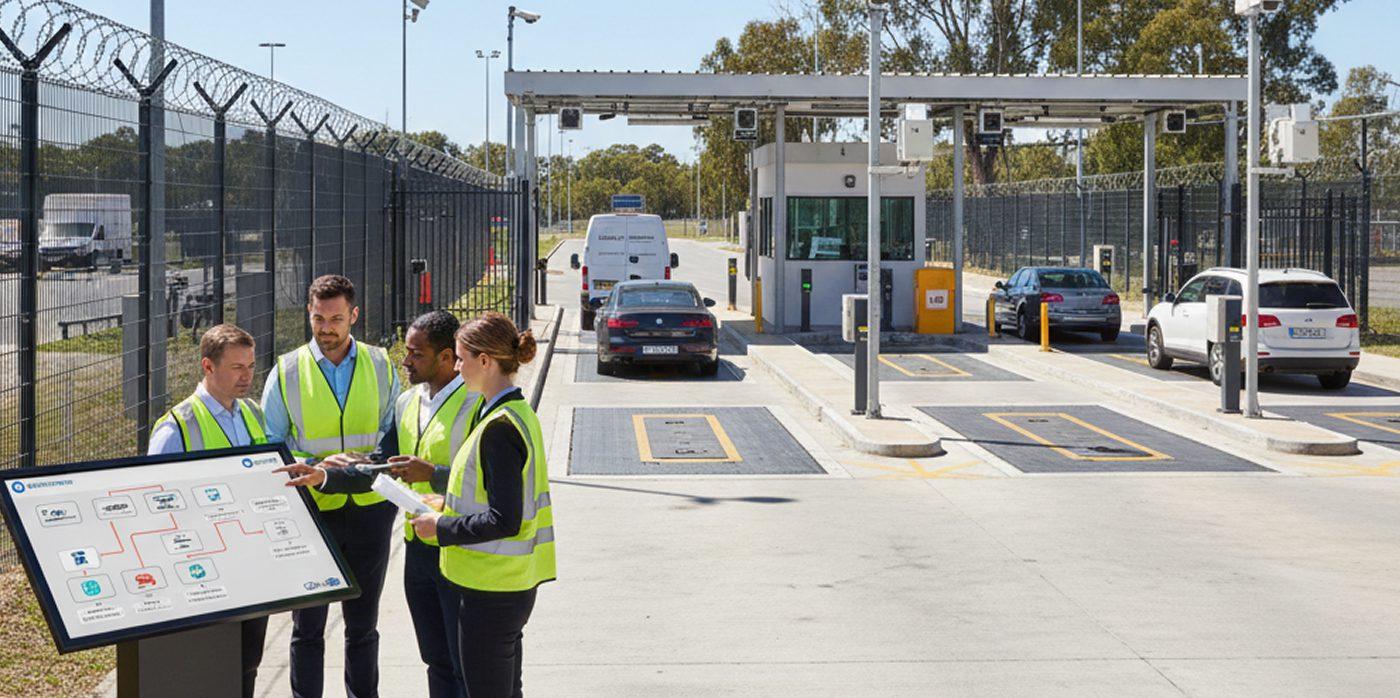
Vehicle inspection is one of the most important components of facility security. Across government facilities, airports, military bases, logistics centers, industrial sites, and critical infrastructure locations, security teams must inspect vehicles entering the premises to identify potential threats and prevent unauthorized access.
However, as vehicle traffic continues to increase and security risks become more sophisticated, traditional inspection methods are becoming less effective. Manual inspections often depend on human judgment, limited visibility, and time-consuming procedures that can reduce inspection accuracy and create operational delays.
Organizations today need solutions that provide better visibility, more consistent inspections, and faster threat identification. This has led many facilities to adopt advanced vehicle screening technologies that combine automated under vehicle inspection with License Plate Recognition (LPR) systems.
By integrating these technologies, facilities can significantly improve inspection accuracy while maintaining efficient traffic flow and stronger perimeter security.
Why Inspection Accuracy Matters More Than Ever
A vehicle inspection is only effective if it can identify potential threats before they enter a protected area.
Security teams are responsible for detecting:
-
Suspicious objects
-
Unauthorized attachments
-
Vehicle modifications
-
Contraband
-
Signs of tampering
-
Unauthorized access attempts
Missing even a small detail can create significant security risks.
As facilities become larger and more complex, the need for accurate and consistent vehicle screening becomes increasingly important. High-security environments cannot afford inspection processes that rely solely on visual observation or manual documentation.
The Challenges of Traditional Vehicle Inspections
Many organizations still depend on conventional vehicle screening methods.
These often include:
-
Visual vehicle examinations
-
Manual access verification
-
Handwritten records
-
Security personnel observations
-
Mirror-based undercarriage inspections
While these methods may provide basic security coverage, they introduce several challenges.
Human Error
Manual inspections rely heavily on the experience and attentiveness of individual security personnel.
Limited Visibility
Critical areas beneath vehicles are often difficult to inspect thoroughly.
Inspection Inconsistencies
Different inspectors may apply different standards and procedures.
Time Constraints
Busy checkpoints often force security personnel to perform inspections quickly.
These limitations can reduce the overall accuracy of vehicle screening operations.
Why Vehicle Undercarriages Present Unique Security Risks
One of the most difficult areas to inspect manually is the underside of a vehicle.
This area can potentially conceal:
-
Hidden packages
-
Suspicious attachments
-
Contraband
-
Unauthorized devices
-
Structural modifications
-
Evidence of tampering
Traditional inspection mirrors often provide only partial visibility and require inspectors to spend additional time examining each vehicle.
In high-traffic environments, rushed inspections increase the likelihood that important details may be overlooked.
As a result, organizations are increasingly investing in automated technologies that provide a more comprehensive view of vehicle undercarriages.
The Need for More Reliable Inspection Processes
Modern security environments demand greater accuracy and consistency than ever before.
Facilities need inspection systems capable of:
-
Capturing detailed vehicle information
-
Providing clear visibility of hidden areas
-
Maintaining consistent inspection standards
-
Reducing dependence on manual processes
-
Supporting faster threat detection
Automated vehicle inspection technologies address these challenges while improving overall security performance.
How Automated Under Vehicle Inspection Improves Accuracy
Advanced under vehicle inspection systems use specialized imaging technology to capture high-resolution images of vehicle undercarriages automatically.
As vehicles pass through designated inspection zones, detailed images are generated and displayed for security personnel.
This process offers significant advantages.
Enhanced Visibility
Security teams gain access to clear and detailed images of hard-to-see vehicle areas.
Consistent Imaging
Every vehicle receives the same inspection process regardless of operator experience.
Improved Detail Recognition
High-resolution images help identify suspicious objects and abnormalities more effectively.
Faster Analysis
Security personnel can review detailed images quickly and efficiently.
Digital Evidence Collection
Inspection records can be stored for future investigations and audits.
These capabilities help eliminate many of the weaknesses associated with manual inspections.
The Importance of LPR Technology in Vehicle Security
Accurate inspections are not limited to identifying physical threats. Facilities must also verify vehicle identities efficiently.
License Plate Recognition technology automates vehicle identification by capturing and processing registration information in real time.
Benefits include:
Instant Vehicle Recognition
Vehicle details are collected automatically.
Improved Access Control
Authorized vehicles can be identified quickly.
Better Recordkeeping
Facilities maintain searchable digital records.
Enhanced Security Monitoring
Vehicle activity can be tracked and analyzed over time.
LPR technology provides an additional layer of intelligence that supports more informed security decisions.
Why Integration Creates a More Accurate Inspection Process
While under vehicle inspection systems and LPR technologies are valuable individually, their combined capabilities create a much stronger security solution.
Integrated systems allow organizations to:
-
Identify vehicles automatically
-
Capture undercarriage images simultaneously
-
Link inspection records to vehicle identities
-
Compare current inspections with historical scans
-
Generate automated alerts for anomalies
-
Improve situational awareness at checkpoints
This integration helps security personnel identify potential threats more quickly and accurately.
Smarter Technology for Better Threat Detection
Today's facilities require solutions capable of addressing both security and operational challenges.
An advanced under vehicle surveillance system helps improve inspection accuracy by providing detailed undercarriage imaging that can reveal concealed objects, suspicious modifications, and potential threats that may be difficult to detect through manual inspections alone. When integrated with LPR technology and intelligent under vehicle inspection systems, organizations gain a comprehensive vehicle screening solution that strengthens access control, enhances threat detection, and improves overall checkpoint effectiveness.
This combination allows facilities to maintain higher inspection standards while reducing operational inefficiencies.
Benefits of Improved Inspection Accuracy
Organizations implementing intelligent vehicle screening technologies often experience significant improvements across several areas.
Enhanced Threat Detection
Better imaging improves the ability to identify hidden risks.
Faster Security Decisions
Automated systems provide information quickly and consistently.
Reduced Human Error
Technology helps eliminate many manual inspection limitations.
Improved Compliance
Digital records support reporting and audit requirements.
Greater Operational Efficiency
Security personnel can focus on evaluating threats rather than performing repetitive inspection tasks.
These benefits contribute to stronger facility protection and more reliable security operations.
Commport Technologies: Delivering Advanced Vehicle Inspection Solutions
Commport Technologies is a trusted supplier of advanced LPR systems and intelligent vehicle inspection technologies designed to meet the needs of modern security environments.
By integrating license plate recognition with advanced under vehicle inspection solutions, Commport Technologies helps organizations improve inspection accuracy, strengthen perimeter security, and streamline access control operations.
Its solutions support a wide range of industries, including:
-
Airports
-
Government facilities
-
Military installations
-
Industrial complexes
-
Logistics centers
-
Ports and border crossings
-
Critical infrastructure facilities
Through intelligent technology integration, organizations can enhance both security performance and operational efficiency.
Conclusion
Accurate vehicle inspections are essential for protecting today's facilities against increasingly sophisticated security threats. Traditional inspection methods often struggle to provide the visibility, consistency, and speed required in modern environments.
By integrating LPR systems with advanced under vehicle inspection technologies, organizations can significantly improve inspection accuracy, strengthen access control, and enhance threat detection capabilities. Automated vehicle screening solutions provide the detailed visibility and intelligence needed to support safer and more efficient facility operations.
For organizations seeking stronger perimeter protection and more reliable inspection processes, advanced vehicle screening technology represents a critical investment in modern security infrastructure.
Categorías
Read More
Digital marketing services in UAE have become a crucial growth driver for businesses operating in a highly competitive and digitally connected economy. With customers turning to online platforms more and more to become informed, compare and buy goods or services, companies should change their strategy to remain pertinent. Digital marketing investment is not a fad anymore, but rather a strategic...

The Tactical Communication Systems (TCS) market is experiencing robust growth as global defense forces modernize their operational infrastructure with advanced, secure, and interoperable communications. In 2025, the TCS market is valued at roughly $14.7–$21.6 billion and is forecast to reach up to $22.5–$29.65 billion by 2030, reflecting an average CAGR of 5.6–6.5%....

In the rapidly evolving corporate landscape of 2026, the efficiency of a company is no longer measured just by its output, but by how effectively it manages its most valuable asset: people. As organisations scale, manual tracking of attendance, payroll, and performance becomes a bottleneck. This is where robust HRMS software becomes a non-negotiable asset for business growth. At MH Cognition,...
The landscape of residential property is shifting toward more service-oriented models. Residents no longer just want a roof over their heads; they want a managed environment that offers safety, cleanliness, and community. Achieving this requires a dedicated team focused on the intricate details of estate oversight and leaseholder relations. As buildings become more technologically advanced, the...

In India, product quality and safety are regulated through strict standards established by the Bureau of Indian Standards (BIS). This national standards body ensures that products sold in the Indian market meet specific safety, reliability, and quality requirements. For manufacturers, importers, and businesses entering the Indian market, navigating the certification process can often be...