How UAE Lubricants Are Supporting Industrial Growth
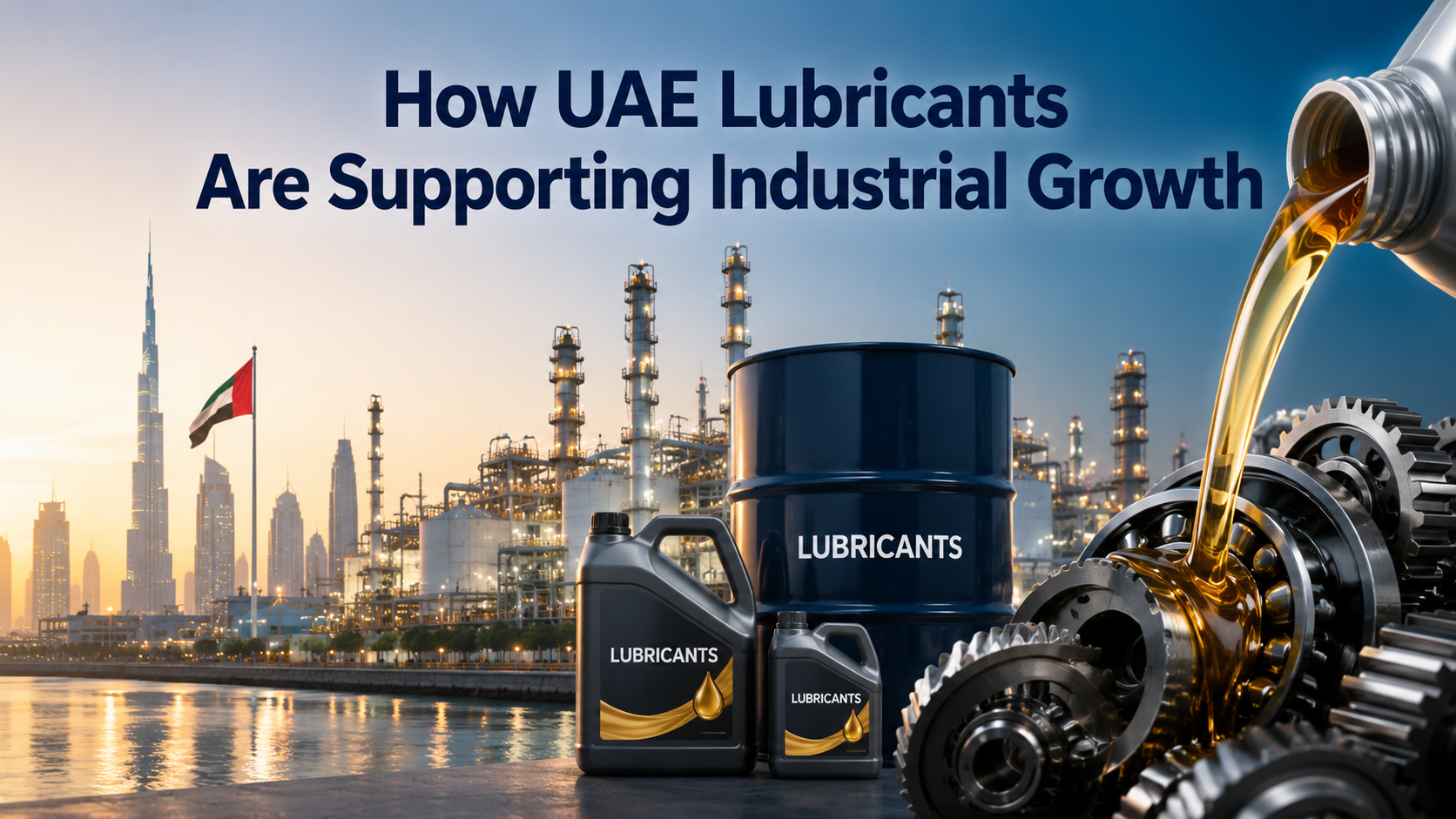
The UAE lubricants industry plays a vital role in supporting transportation, manufacturing, construction, and energy operations across the country. Lubricants help reduce friction, improve equipment efficiency, and extend the operational life of machinery and vehicles. As the UAE continues to diversify its economy and invest in infrastructure development, lubricant demand remains closely linked to industrial and commercial activity.
Growing vehicle ownership, expanding logistics networks, and increased industrial output are creating sustained demand for high-performance lubrication solutions. In addition, businesses are focusing on operational efficiency and equipment reliability, encouraging the adoption of advanced lubricant formulations designed to perform effectively under the UAE’s demanding climatic conditions.
According to a UAE lubricants industry analysis published by MarkNtel Advisors, the sector is valued at around 161.56 million liters in 2025 and is projected to reach 213.8 million liters by 2032, expanding at a CAGR of approximately 4.08% during the forecast period. The report highlights accelerating industrialization and infrastructure activity as major contributors to growth.
Infrastructure Development Driving Lubricant Consumption
Large-scale infrastructure projects continue to shape the UAE’s economic landscape. Construction equipment, heavy machinery, and commercial fleets require continuous lubrication to maintain performance and reduce wear. As public and private sector investments expand transportation networks, housing developments, and industrial facilities, lubricant consumption increases across multiple applications.
Heavy-duty equipment operating in construction environments faces high temperatures and challenging operating conditions. This creates demand for specialized engine oils, hydraulic fluids, and industrial lubricants that can withstand intense workloads while maintaining efficiency. Infrastructure expansion therefore remains one of the strongest long-term drivers of lubricant demand throughout the country.
The Growing Importance of Automotive Lubricants
The automotive sector remains one of the largest consumers of lubricants in the UAE. Passenger vehicles, commercial fleets, ride-hailing services, and logistics operators all depend on routine maintenance and lubrication to ensure smooth operation. The country’s hot climate can place additional stress on engines, increasing the importance of high-quality lubricants for vehicle protection.
Engine oils continue to represent the leading product category within the industry. Regular maintenance schedules and growing vehicle populations contribute to stable demand across urban centers such as Dubai, Abu Dhabi, and Sharjah. Expanding e-commerce activities and transportation services further support lubricant usage in commercial vehicle fleets.
Shift Toward Synthetic and Advanced Lubricant Formulations
Technological advancements are influencing lubricant preferences across industrial and automotive applications. Businesses increasingly seek products that provide longer service intervals, improved fuel efficiency, and enhanced equipment protection. These requirements are encouraging the transition from conventional products toward synthetic and low-viscosity lubricant formulations.
Advanced lubricants offer better thermal stability and performance in extreme operating environments. For industries operating continuously, including manufacturing, logistics, and energy production, these products can contribute to reduced maintenance requirements and improved equipment reliability. As a result, premium lubricant solutions are gaining greater acceptance among commercial and industrial users.
Sustainability Trends Influencing Product Development
Sustainability has become an important consideration for manufacturers and end users across the UAE. Companies are increasingly evaluating products that support environmental goals while maintaining operational performance. This trend is encouraging research into cleaner formulations, improved energy efficiency, and lubricants designed to reduce emissions-related impacts.
The broader lubricants industry is also witnessing growing interest in sustainable and high-performance solutions that align with evolving industrial requirements. Industry participants continue to invest in product innovation to address both regulatory expectations and customer demand for more efficient lubrication technologies.
Competitive Landscape and Industry Participants
The UAE lubricants sector features a mix of domestic producers and international brands. Major participants include ADNOC Distribution, ENOC–EPPCO Lubricants, Emirates Lube Oil Co. Ltd., Dana Lubricants Factory LLC, Shell, ExxonMobil, BP (Castrol), Total Energies, Gulf Oil Middle East, and several regional manufacturers. These companies compete through product innovation, distribution networks, and specialized solutions for different end-user industries.
Local production capabilities, strategic partnerships, and expanding distribution channels continue to strengthen market competitiveness. Industry participants are also investing in premium product offerings to meet evolving customer expectations regarding performance, efficiency, and sustainability.
Future Outlook for the UAE Lubricants Industry
The outlook for the UAE lubricants industry remains closely tied to economic diversification, industrial expansion, and infrastructure investment. Continued growth in transportation, construction, manufacturing, and logistics activities is expected to sustain lubricant demand across multiple sectors.
At the same time, technological innovation will likely reshape product development as customers increasingly prioritize performance, reliability, and environmental considerations. The combination of industrial growth, advanced lubricant adoption, and ongoing infrastructure projects positions the UAE lubricants industry for continued development in the years ahead while supporting the country’s broader economic transformation.
الأقسام
إقرأ المزيد
Gambling has grown to be the single most well-liked types of online entertainment. Game enthusiasts can begin to play slot game titles, dining room table game titles, live on-line casinos, plus sports activities bets from them computer systems as well as mobile devices. Current gambling web sites supply safe and sound payments, rapid withdrawals, plus lots of game titles for beginners...

For homeowners aged 55+, a reverse mortgage offers flexible access to home equity with no required monthly mortgage payments. A trusted private lender in Canada can help you choose the right payment option based on your financial goals and long-term plans.

" According to the latest report published by Data Bridge Market Research, the Asia-Pacific Closed System Transfer Devices Market The Asia-Pacific closed system transfer devices market size was valued at USD 200.07 million in 2025 and is expected to reach USD 746.95 million by 2033, at a CAGR of 17.9% during the forecast period. Asia-Pacific Closed System Transfer Devices...

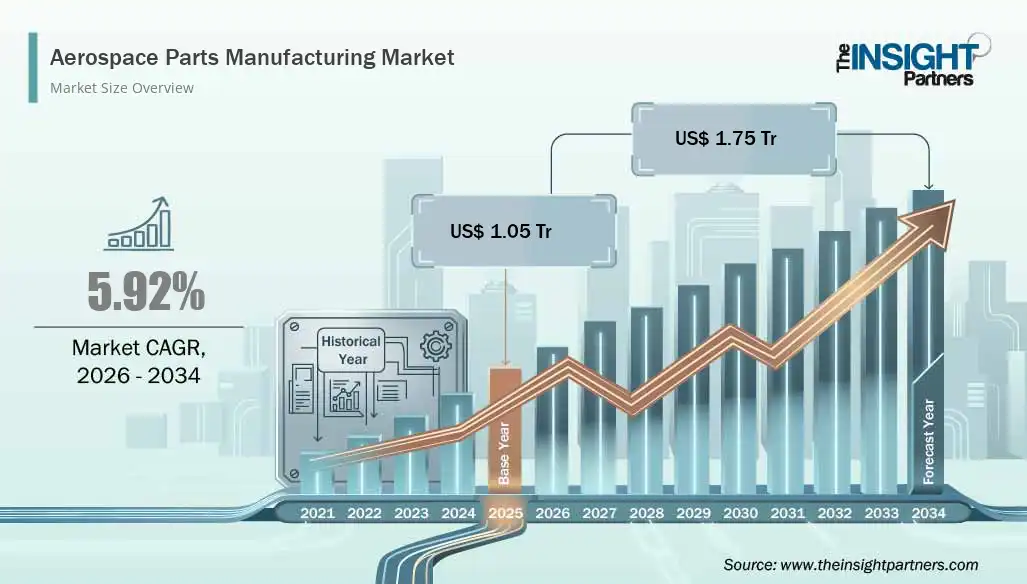
The global aerospace parts manufacturing market is witnessing steady expansion as the aviation industry continues to recover and invest in advanced aircraft technologies. Aerospace parts manufacturing involves the production of critical components used in commercial aircraft, military aircraft, helicopters, spacecraft, and unmanned aerial vehicles. These components include engines, airframes,...
What Is Prostatitis? Prostatitis is an inflammation of the prostate gland — a small walnut-shaped organ in men that produces seminal fluid. This condition can cause pain, urinary problems, and sexual dysfunction, affecting men of all ages, though it’s most common between ages 30 and 50. Prostatitis isn’t a single disease but a group of conditions with different causes and...