


Antimicrobial Resistance A Growing Threat to Global and Public Health
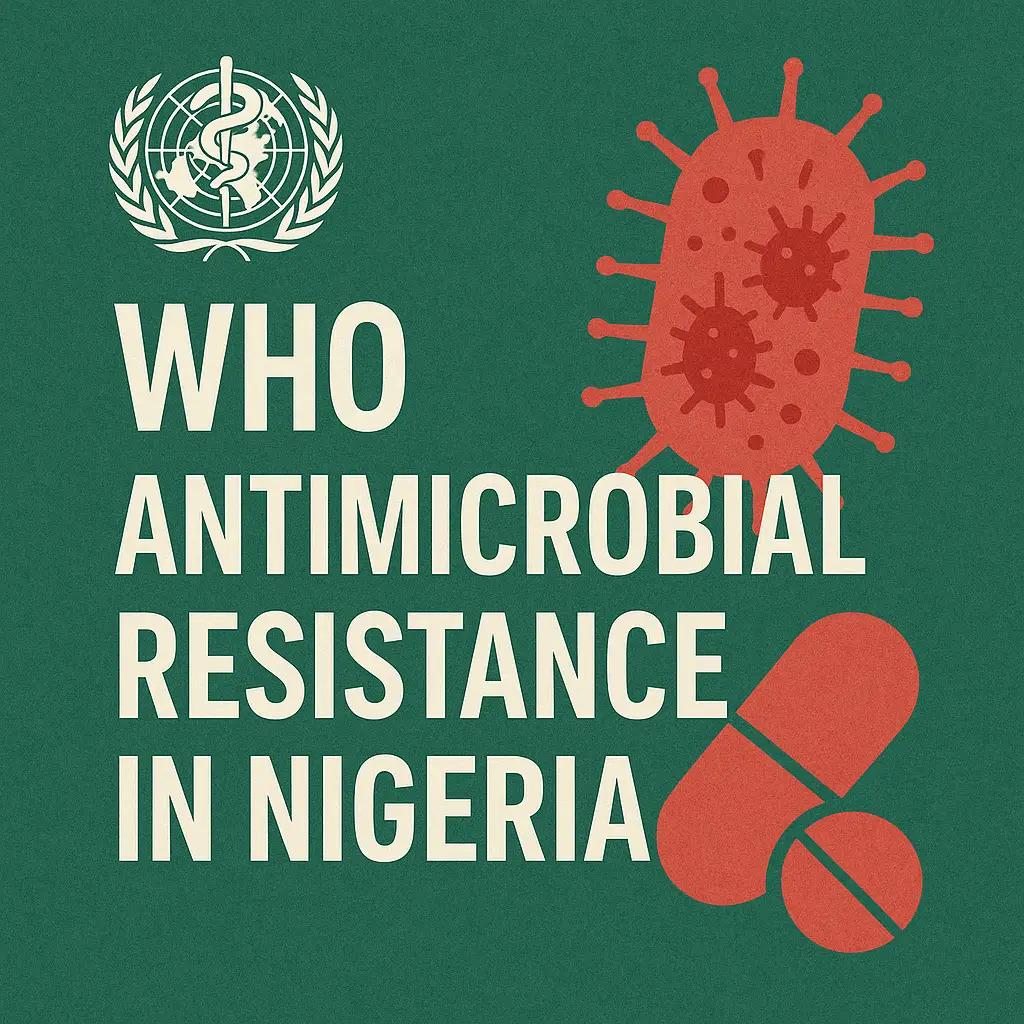
Antimicrobial resistance is one of the most pressing public health challenges facing the world today. It affects the ability of healthcare professionals to treat common infections and threatens decades of medical progress. As bacteria viruses fungi and parasites become resistant to medicines that once worked effectively infections become harder to treat leading to longer illnesses higher healthcare costs and increased mortality.
In Nigeria and many other countries antimicrobial resistance is rapidly becoming a major concern. The misuse and overuse of antibiotics poor infection prevention practices and limited public awareness continue to accelerate the spread of resistant microorganisms. Addressing this challenge requires coordinated action from governments healthcare providers researchers and communities.
Understanding Antimicrobial Resistance
Antimicrobial resistance occurs when microorganisms evolve and develop the ability to survive medicines designed to kill or stop them. Over time these microbes adapt to treatment making standard medications less effective or completely ineffective.
Antimicrobials include:
-
Antibiotics used to treat bacterial infections
-
Antivirals used against viruses
-
Antifungals used to treat fungal infections
-
Antiparasitic medicines used for parasitic diseases
When these medicines no longer work as intended treating infections becomes increasingly difficult. This is why antimicrobial resistance is considered a global health emergency by many public health organizations.
Why Antimicrobial Resistance Is Increasing
Several factors contribute to the rise of antimicrobial resistance across the world.
Misuse of Antibiotics
One of the biggest causes of antimicrobial resistance is the inappropriate use of antibiotics. Many people take antibiotics without prescriptions or use them for illnesses caused by viruses such as the common cold or flu.
When antibiotics are used unnecessarily bacteria are exposed to medicines they do not need to encounter. This increases the chances of resistant strains developing and spreading.
Incomplete Treatment Courses
Some patients stop taking medications as soon as they begin feeling better. Although symptoms may disappear some bacteria can remain in the body. These surviving bacteria are often stronger and more likely to develop resistance.
Completing prescribed treatment courses is essential in reducing antimicrobial resistance.
Self-Medication
In many countries including Nigeria people often purchase antibiotics without professional medical advice. Self-medication frequently leads to incorrect dosages inappropriate drug selection and unnecessary antibiotic exposure.
These practices contribute significantly to the growth of antimicrobial resistance.
Poor Infection Prevention
Weak infection control measures in healthcare facilities and communities increase the spread of infections. As more infections occur antibiotic use increases creating additional opportunities for resistant microorganisms to develop.
Simple measures such as handwashing vaccination sanitation and proper hygiene can help reduce infection rates and lower the demand for antibiotics.
The Impact of Antimicrobial Resistance
The consequences of antimicrobial resistance extend beyond individual patients. It affects healthcare systems economies and entire populations.
Harder-to-Treat Infections
Many infections that were once easily treated now require stronger more expensive medications. In some cases treatment options become extremely limited.
This makes antimicrobial resistance a serious threat to patient safety and recovery.
Increased Healthcare Costs
Drug-resistant infections often require longer hospital stays additional diagnostic testing and more expensive treatments. These costs place a significant burden on both healthcare systems and families.
Threat to Modern Medicine
Many medical procedures rely on effective antimicrobial medicines. Surgeries cancer treatments organ transplants and intensive care interventions all depend on the ability to prevent and treat infections.
Without effective antibiotics and other antimicrobials these procedures become much riskier.
Increased Mortality
Antimicrobial resistance contributes to rising death rates worldwide. Patients with resistant infections often experience delayed treatment complications and poorer health outcomes.
This makes the fight against antimicrobial resistance a critical public health priority.
Antimicrobial Resistance in Nigeria
Nigeria faces unique challenges in controlling antimicrobial resistance. The widespread availability of antibiotics without prescriptions limited diagnostic capacity counterfeit medicines and low public awareness all contribute to the problem.
Many healthcare facilities lack adequate laboratory infrastructure needed to identify resistant infections accurately. As a result antibiotics are often prescribed without proper testing increasing the likelihood of misuse.
The growing burden of antimicrobial resistance in Nigeria highlights the need for stronger stewardship programs improved surveillance systems and public education campaigns.
The Importance of Antimicrobial Stewardship
Antimicrobial stewardship refers to coordinated efforts aimed at improving the responsible use of antimicrobial medicines.
Effective stewardship programs help healthcare providers:
-
Prescribe medications appropriately
-
Reduce unnecessary antibiotic use
-
Improve patient outcomes
-
Minimize the spread of resistant organisms
-
Preserve the effectiveness of existing medicines
Healthcare institutions around the world are increasingly adopting stewardship strategies to combat antimicrobial resistance and improve healthcare quality.
The Role of Surveillance in Combating Antimicrobial Resistance
Surveillance plays a crucial role in understanding and controlling antimicrobial resistance. By collecting data on resistant infections healthcare authorities can identify trends monitor emerging threats and develop targeted interventions.
Strong surveillance systems help policymakers make informed decisions about antibiotic use infection control and public health planning.
Accurate surveillance also enables healthcare providers to select the most effective treatments for patients reducing the risk of treatment failure.
Public Awareness and Education
Raising awareness about antimicrobial resistance is one of the most effective ways to slow its spread. Many people remain unaware of how their actions contribute to resistance.
Educational campaigns can help communities understand:
-
When antibiotics are necessary
-
Why prescriptions should be followed carefully
-
The dangers of self-medication
-
The importance of infection prevention
-
How resistance affects public health
Informed individuals are more likely to use antibiotics responsibly and support efforts to combat antimicrobial resistance.
Solutions for the Future
Addressing antimicrobial resistance requires a comprehensive and long-term approach.
Key solutions include:
-
Strengthening antimicrobial stewardship programs
-
Improving infection prevention and control
-
Expanding laboratory and diagnostic capacity
-
Enhancing surveillance systems
-
Regulating antibiotic sales
-
Supporting research and innovation
-
Increasing public awareness
Collaboration between governments healthcare professionals researchers and communities is essential for achieving lasting progress.
Conclusion
Antimicrobial resistance is a growing global threat that affects healthcare systems economies and communities worldwide. The misuse of antibiotics poor infection prevention practices and limited awareness continue to accelerate the development of resistant infections.
However antimicrobial resistance can be slowed through responsible antibiotic use stronger stewardship programs effective surveillance and public education. Every individual has a role to play in protecting the effectiveness of life-saving medicines.
By taking action today healthcare professionals policymakers and communities can help preserve the power of antimicrobial treatments and build a healthier future for generations to come.
Κατηγορίες
Διαβάζω περισσότερα
The Global Feed Yeast Market is emerging as one of the most dynamic segments within the animal nutrition and feed additives industry. With livestock producers increasingly seeking sustainable, natural, and performance-enhancing ingredients, feed yeast has evolved from a niche additive to a mainstream dietary component. Its ability to improve gut health, enhance feed efficiency,...

Si buscas una experiencia emocionante y diferente, un Escape Room Valencia es una de las mejores opciones de entretenimiento. Este tipo de actividad se ha vuelto extremadamente popular en los últimos años, ya que combina misterio, trabajo en equipo y adrenalina en una aventura única. Tanto si quieres resolver enigmas con amigos como si prefieres vivir una experiencia...

Polaris Market Research recently introduced the latest update on According to the research report, the aircraft cabin interiors market was valued at USD 26.61 billion in 2024 and is expected to reach USD 47.37 billion by 2032, to grow at a CAGR of 7.50%during the forecast period. that provides an extensive outlook of the market, analyzing key growth opportunities, challenges, risk...
Windows 7 UAC Default Settings May Not Provide Adequate Protection Against Malware Recent testing by Sophos has raised concerns about the effectiveness of Windows 7's User Account Control (UAC) in its default configuration. According to research conducted by Chester Wisniewski, a senior security engineer at Sophos, the default UAC settings in Windows 7 failed to block most malware samples in...

As per Market Research Future analysis, the Fortified Edible Oil Market Size was estimated at 20.22 USD Billion in 2024. The Fortified Edible Oil industry is projected to grow from 21.63 USD Billion in 2025 to 42.44 USD Billion by 2035, exhibiting a compound annual growth rate (CAGR) of 6.97% during the forecast period 2025 - 2035. The global demand for vitamin-enriched edible oils is rising...
