How To Choose Rubber Track Chassis?

Choosing a rubber track chassis often starts with the working environment, as farmland, construction sites, and indoor inspection routes each require different levels of traction, load balance, and ground pressure control. Load capacity is another important factor, since the total weight of equipment, batteries, and payload affects long-term wear and operational stability. Track width, drive system design, and suspension layout also influence how the chassis behaves on different surfaces, especially when carrying sensitive equipment that requires stable movement. In real applications, a rubber track chassis designed for one scenario may not perform the same in another, even if the external dimensions appear similar. Maintenance planning is also considered during selection, including track replacement methods and access to internal components, because these factors affect long-term usability.
A rubber track chassis is not selected only by specification sheets, but by how it fits real working tasks such as terrain adaptation, load distribution, and motion control. Different combinations of drive systems and structural design can lead to noticeable differences in performance under the same conditions. This is why application scenarios are usually evaluated first, followed by technical matching, ensuring the rubber track chassis can operate consistently in its intended environment over time.
Categorie
Leggi tutto
Introduction In the fast-growing cannabis industry, packaging has become a vital part of brand identity and customer trust. It’s no longer just about product protection; it’s about how effectively a brand presents quality, compliance, and creativity. CBD boxes in USA offer an ideal balance between design, durability, and functionality. These boxes help keep CBD products safe while...

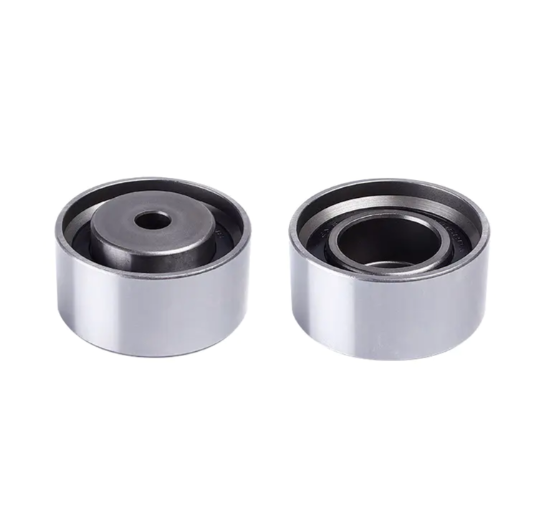
The 24810-23050 is a specific type of bearing recognized by its Original Equipment (OE) number, commonly used in automotive and industrial machinery. Bearings play a critical role in reducing friction, supporting loads, and ensuring smooth rotational movement in mechanical systems. The 24810-23050 bearing is designed to meet precise engineering specifications, providing reliability and...
The conversation about controversialdaily fantasy sports contestsmade itsway into the line of questioning for presidential candidates Wednesday during the third Republican debate. New Jersey Gov. Chris Christie, whose state is ofthe sullied multibillion-dollar industry, was le s than pleased. After Jeb Bush, the former governor of Florida (which also is ), proudly declared his fantasy team is...

Enhance events across the UAE with cutting edge iPad devices for smooth presentations, registrations, and engagement. iPad Air Rental offers reliable performance, flexible plans, and fast setup for all event needs. Contact Techno Edge Systems LLC at +971-54-4653108. Visit Us: https://www.ipadrentaldubai.com/
In today’s digital world, users want more than just automated replies. They want intelligence, speed, privacy, and freedom. The DeepShi chatbot platform AI is designed to deliver exactly that. Built with advanced conversational technology, DeepShi AI creates a seamless space where users can interact, create, and explore ideas without unnecessary restrictions. Unlike traditional AI chat...