


Why Automotive Silicone Is Becoming Essential in Next-Generation Automobiles
The Automotive Silicone Market is a key enabler in modern vehicle manufacturing, delivering high-performance materials that enhance durability, safety, comfort, and efficiency. The global market was valued at USD 2.18 billion in 2021 and is projected to reach USD 3.80 billion by 2030, expanding at a compound annual growth rate (CAGR) of 6.9% during the forecast period from 2022 to 2030.
Automotive silicone materials—including resins, elastomers, adhesives, sealants, and gels—are widely used across critical vehicle components such as ignition systems, windshield linings, airbag coatings, radiator seals, cables, exhaust hangers, hoses, headlamps, and shock absorbers. These materials offer exceptional heat resistance, flexibility, durability, and vibration damping properties, making them ideal for demanding automotive environments. Silicone helps reduce overall vehicle weight while improving reliability, safety, and passenger comfort. It also plays a vital role in lubricants and thermoplastic compounds that enhance scratch resistance and lower friction coefficients.
As the automotive industry transitions toward electric and hybrid vehicles, silicone’s thermal management and electrical insulation capabilities are becoming increasingly important. Government regulations aimed at reducing CO₂ emissions and improving fuel economy—such as EU emission targets and U.S. Corporate Average Fuel Economy (CAFE) standards—are further accelerating adoption of lightweight silicone-based solutions.
Key Market Growth Drivers
Multiple interconnected factors are propelling the Automotive Silicone Market. The primary driver is the industry-wide push for vehicle lightweighting to enhance fuel efficiency and reduce emissions. Silicone materials enable significant weight reduction compared to traditional alternatives like EPDM rubber, while maintaining superior heat tolerance and performance.
Stringent government mandates for vehicle safety, particularly airbag requirements, are boosting demand. For example, regulations in countries like India requiring frontal airbags in all new models since April 2021 have increased the use of silicone-based coatings and sealants. Rising production of electric and hybrid vehicles also drives growth, as silicone excels in battery thermal management, high-voltage insulation, and electronic component protection.
Growth in emerging automotive markets such as China, India, and South Korea adds further momentum. Rapid urbanization, rising disposable incomes, and expanding manufacturing bases in these regions are increasing vehicle production volumes and component demand. Additionally, silicone’s superior performance in extreme temperatures and its role in vibration damping and shock absorption contribute to improved vehicle comfort and longevity.
Browse Full Insights:
https://www.polarismarketresearch.com/industry-analysis/automotive-silicone-market
Market Opportunities
The Automotive Silicone Market offers substantial opportunities for innovation and expansion. The accelerating shift to electric vehicles (EVs) creates strong demand for advanced thermal interface materials, encapsulants, and high-voltage sealants. Emerging applications in autonomous driving systems, sensors, and advanced driver-assistance systems (ADAS) present new avenues for specialized silicone formulations.
Aftermarket and maintenance segments are poised for growth, particularly with new product launches like BRB Silicones’ aminoalkyl functional polydimethylsiloxane for enhanced automotive care. Sustainable and eco-friendly silicone solutions aligned with circular economy goals represent another promising area. Manufacturers can capitalize on opportunities in Asia-Pacific through localization and capacity expansion as global OEMs shift production to the region.
Technological collaborations and product innovations—such as Dow’s mouldable Liquid Silicone Rubber for adaptive driving beam optics and Shin-Etsu’s thermal interface sheets for EVs—highlight pathways for premium, high-margin offerings. The integration of smart materials and predictive maintenance features in silicone components could further differentiate market leaders.
Market Segmentation
The market is segmented by type, application, and region.
By Type: Resins, Elastomers, Adhesives and Sealants, Gels, and Others. The adhesives and sealants segment is expected to witness significant growth due to their critical role in weight reduction, bonding, and protection against heat, chemicals, and moisture.
By Application: Engine and Drivetrain Systems, Electrical Systems, Interiors and Exteriors, Suspension Systems, Tires, and Others. The interiors and exteriors segment currently holds the largest market share, driven by extensive use in airbags, headlamps, hoses, shock absorbers, and cosmetic components. The electrical systems segment is projected to grow at the fastest rate, supported by rising EV adoption and demand for battery and electronic component protection.
By Region: North America, Europe, Asia Pacific, Latin America, and Middle East & Africa. Asia Pacific dominates and is expected to maintain the largest revenue share.
Key Companies
The competitive landscape features a mix of global chemical giants and specialized silicone manufacturers focused on innovation and strategic expansion. Leading players include BRB International b.v., Elkem ASA, Evonik Industries AG, Gelest Inc., Henkel, Kibaru Manufacturing Sdn Bhd, Momentive, Novagard Solutions, Primasil Silicones, Silicone Solutions, Siltech Corporation, Shin-Etsu Chemical Co. Ltd., Specialty Silicone Products, Inc., The Dow Chemical Company, and Wacker Chemie AG.
These companies are actively investing in R&D, product launches, and partnerships. Notable developments include the 2025 merger between KCC Silicone and Momentive Performance Materials Korea, and innovative launches by Dow and Shin-Etsu targeting EV and lighting applications.
Conclusion
The Automotive Silicone Market is well-positioned for robust expansion through 2030, underpinned by vehicle lightweighting initiatives, electrification trends, and stringent safety and environmental regulations. Its unique combination of thermal stability, flexibility, and durability makes silicone indispensable for next-generation automotive design. While challenges such as raw material costs and supply chain complexities remain, the long-term outlook is highly positive. Companies that prioritize innovation in EV-specific solutions, sustainable materials, and regional manufacturing will capture significant value in this dynamic and essential market. As the automotive industry evolves toward safer, greener, and more efficient mobility, automotive silicone will continue playing a foundational role in shaping the vehicles of the future.
More Trending Latest Reports By Polaris Market Research:
Drone Logistics and Transportation Market
Compressed Air Filter & Dryer Market
How Ground Support Equipment (GSE) Ensures Efficient Airport Operations?
Categorie
Leggi tutto
Introduction College life is fast-paced, demanding, and often overwhelming with assignments piling up in every subject. The pressure to submit well-researched homework on time leaves little room for error or delay. As a student who once struggled with tight deadlines and complicated tasks, I found my solution in advanced technology specifically, AI assignment helper tools like AssignmentGPT. In...

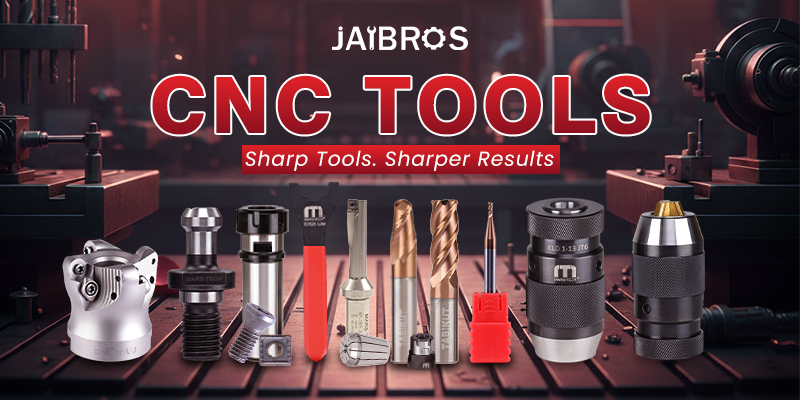
Learn about CNC tools, types, Indian manufacturers, suppliers, and online buying tips for accurate machining in workshops and industries. What Are CNC Tools? CNC machines are controlled by computers, and they need special cutting and measuring devices to perform different tasks. These devices help machines cut metal, wood, plastic, and other materials with high accuracy. They are used in...
Parlay bola is a popular type of sports bet where multiple selections are combined into one ticket, offering the chance for a much larger payout compared to placing each bet individually. The main attraction of a parlay comes from the multiplied odds. When you add two, three, or even more selections into a single slip, the total odds increase because each leg multiplies the next, creating the...

Lady Araminta's Complex Villainy Season 4 of “Bridgerton” introduces a new formidable antagonist, Lady Araminta Gun, portrayed with magnetic intensity by Scottish actress Katie Leung. Known for her previous roles, including Cho Chang in the “Harry Potter” series and Caitlyn in Netflix’s “Arcane,” Leung’s portrayal of Araminta marks a significant...

Market Overview The fatty amines market was estimated at US$ 2.8 billion in 2022 and is expected to grow at a CAGR of 6.6% during 2023–2028 to reach US$ 4.12 billion in 2028. Growth is supported by increasing demand across agrochemicals, personal care, water treatment, and oilfield chemicals, where fatty amines are widely used for their surfactant and functional properties. Expanding...
