


EPR Registration for Plastic Waste in India: Complete CPCB Process, Documents, Fees & Compliance Guide (2026)

EPR Registration for Plastic Waste, CPCB EPR Registration, Plastic Waste EPR Registration, EPR Certificate for Plastic Waste, and EPR Compliance India have become essential requirements for businesses dealing with plastic packaging. If your company manufactures, imports, or sells products using plastic packaging, obtaining EPR Registration for Plastic Waste is mandatory under the Plastic Waste Management Rules, 2016. The Central Pollution Control Board (CPCB) requires Producers, Importers, and Brand Owners (PIBOs) to register and ensure proper collection, recycling, and disposal of plastic waste generated from their products. Non-compliance may result in environmental compensation, penalties, and regulatory action.
What is EPR Registration for Plastic Waste?
Extended Producer Responsibility (EPR) is an environmental policy that makes producers responsible for managing plastic waste generated from their products after consumption.
Under the Plastic Waste Management Rules, businesses must ensure that plastic packaging introduced into the market is collected, recycled, reused, or disposed of through authorized recyclers and waste processors. The EPR framework is monitored by CPCB through its centralized online portalIn simple terms, if your business introduces plastic packaging into the Indian market, you are responsible for its end-of-life management.
Who Needs EPR Registration for Plastic Waste?
The following entities must obtain EPR registration:
Producers
Companies manufacturing plastic packaging materials.
Importers
Businesses importing plastic packaging or plastic-packaged products into India.
Brand Owners
Companies selling products under their own brand using plastic packaging.
Manufacturers Using Plastic Packaging
Any business introducing plastic-packaged products into the Indian market.
These entities are collectively known as PIBOs (Producers, Importers, and Brand Owners).
Why is EPR Registration Important?
EPR registration is not merely a certificate. It is a legal obligation that ensures responsible plastic waste management.
Key Benefits
-
Compliance with government regulations
-
Avoidance of penalties and environmental compensation
-
Enhanced brand reputation
-
Support for sustainability initiatives
-
Better waste traceability and reporting
-
Improved customer trust
Businesses that fail to comply may face penalties, notices, and operational restrictions
Plastic Packaging Categories Covered Under EPR
EPR obligations apply to various categories of plastic packaging:
Category I
Rigid Plastic Packaging
Category II
Flexible Plastic Packaging, Plastic Sheets, Carry Bags, Pouches, and Sachets
Category III
Multi-layered Plastic Packaging
Category IV
Compostable Plastic Packaging and Plastic Sheets
Businesses dealing with any of these categories must comply with EPR regulations. Documents Required for EPR Registration
The following documents are generally required:
-
Company PAN Card
-
GST Registration Certificate
-
Certificate of Incorporation
-
Import Export Code (for importers)
-
Aadhaar and PAN of Authorized Signatory
-
Board Resolution or Authorization Letter
-
Details of Plastic Packaging Used
-
Product Information
-
Business Address Proof
-
Plastic Waste Management Plan
-
Annual Plastic Consumption Details
-
Agreements with Authorized Recyclers (if applicable)
Proper documentation significantly reduces approval delays.Step-by-Step EPR Registration Process
Step 1: Determine PIBO Category
Identify whether your business is a Producer, Importer, or Brand Owner.
Step 2: Create Account on CPCB Portal
Register on the official CPCB EPR portal and create login credentials.
Step 3: Prepare Documentation
Compile all required legal and technical documents.
Step 4: Prepare EPR Action Plan
Develop a detailed plan outlining:
-
Plastic quantity introduced into the market
-
Collection mechanism
-
Recycling strategy
-
Authorized recycler partnerships
Step 5: Submit Online Application
Upload documents and complete the online application process.
Step 6: CPCB Review
The authority reviews the application and may raise queries for clarification.
Step 7: Approval and Certificate Issuance
After successful verification, the EPR Registration Certificate is issued.
EPR Registration Fees
The government fee depends on:
-
Business category
-
Quantity of plastic introduced into the market
-
Nature of operations
Professional consultancy fees may be additional if expert assistance is required.
Validity of EPR Registration
The EPR registration remains valid subject to compliance with CPCB regulations and timely filing of returns.
Businesses must continuously fulfill their EPR obligations and maintain records of waste collection and recycling.
Post-Registration Compliance Requirements
Obtaining the certificate is only the first step.
After registration, businesses must:
-
Meet annual recycling targets
-
Work with authorized recyclers
-
Maintain transaction records
-
File annual returns
-
Upload recycling certificates
-
Track plastic waste management activities
Failure to meet these obligations may result in penalties
Common Reasons for Application Rejection
Many applications are delayed or rejected because of:
-
Incorrect PIBO classification
-
Incomplete documents
-
Wrong packaging details
-
Mismatch in GST and company records
-
Inadequate waste management plan
-
Missing authorized signatory documents
Careful preparation can help avoid these issues.
Penalties for Non-Compliance
Businesses operating without EPR registration may face:
-
Environmental Compensation Charges
-
CPCB notices
-
Suspension of operations
-
Restrictions on product sales
-
Regulatory actions under environmental laws
Recent enforcement actions across India show increasing scrutiny on plastic waste compliance.
How PSR Compliance Can Help
PSR Compliance provides complete assistance for:
-
EPR Registration for Plastic Waste
-
CPCB Portal Registration
-
Documentation Support
-
EPR Action Plan Preparation
-
Compliance Management
-
Annual Return Filing
-
Recycler Coordination
-
Renewal and Ongoing Support
Our experts ensure a smooth and hassle-free registration process while helping businesses maintain full compliance with CPCB regulations.
Frequently Asked Questions (FAQs)
1. Is EPR Registration mandatory for plastic packaging?
Yes. Producers, Importers, and Brand Owners using plastic packaging must obtain EPR registration.
2. Who issues EPR Registration?
The registration is issued through the CPCB EPR portal and relevant authorities
3. What is the full form of EPR?
Extended Producer Responsibility.
4. Can importers apply for EPR Registration?
Yes. Importers of plastic-packaged products are required to register.
5. How long does EPR Registration take?
Approval timelines vary depending on documentation and authority review.
6. Is EPR Registration required for small businesses?
Yes, if they introduce plastic packaging into the market.
7. What happens after obtaining EPR Registration?
Businesses must meet collection, recycling, and reporting obligations annually.
8. What is a PIBO?
PIBO stands for Producer, Importer, and Brand Owner.
Conclusion
EPR Registration for Plastic Waste is a mandatory compliance requirement for businesses dealing with plastic packaging in India. With increasing regulatory enforcement and stricter environmental standards, obtaining CPCB EPR registration is essential for legal operations and sustainable business growth. By following the correct registration process and maintaining ongoing compliance, businesses can avoid penalties while contributing to responsible plastic waste management.
Company Name: PSR Compliance
Phone: +91 7065883416
Email: support@psrcompliance.com
Office Address: D-49, D Block, Sector 6, Noida, Uttar Pradesh, 201301
Website: https://www.psrcompliance.com
Kategoriler
Read More
As interest in hemp-based wellness products continues to grow across Australia, many consumers are searching for convenient and easy-to-use options that fit into their daily routines. One product gaining attention is Wilder Leaf Organic Hemp Australia, a hemp-derived supplement designed for individuals seeking a simple approach to wellness support. Facebook Page>>...

Executive Summary Optogenetics Market: Growth Trends and Share Breakdown Data Bridge Market Research analyses that the optogenetics market which is USD 0.31 billion in 2022, is expected to reach USD 1.11 billion by 2030, at a CAGR of 17.35% during the forecast period 2023 to 2030. While preparing this professional and exhaustive Optogenetics Market research report, customer...

Executive Summary: Biostimulants Market Size and Share by Application & Industry The global biostimulants market size was valued at USD 5.18 billion in 2024 and is expected to reach USD 12.73 billion by 2032, at a CAGR of 11.90% during the forecast period. The leading Biostimulants Market analysis report is a careful investigation of current...
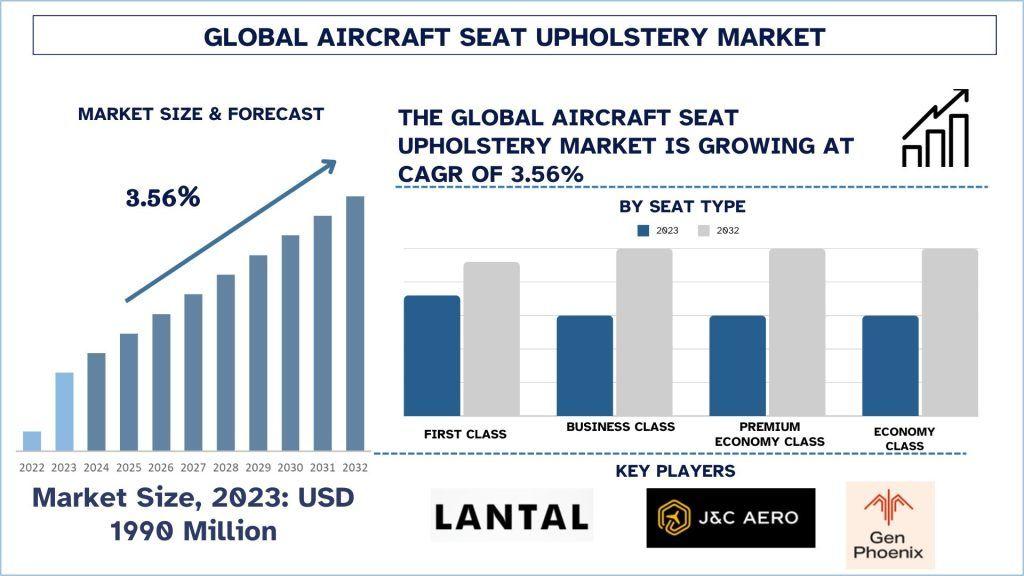
According to the UnivDatos analysis, growing demand for customer in-flight experience with advanced material will drive the growth scenario of Aircraft Seat Upholstery and as per their “Aircraft Seat Upholstery Market” report, the global market was valued at USD 1990 million in 2023, growing at a CAGR of 3.56% during the forecast period from 2024 - 2032 to reach USD million by...
Roof Shape Aseptic Packaging Material Market Size, Share and Growth Report (2025–2034) The Roof Shape Aseptic Packaging Material Market is experiencing steady growth as food and beverage manufacturers increasingly adopt packaging solutions that enhance shelf life, maintain product quality, and support efficient distribution. Roof-shaped cartons are widely used for milk, juices, and liquid...
