Best Practices in Fintech Software Development for Startups and Enterprises

Fintech is rapidly reshaping how businesses and consumers manage payments, investments, lending, and financial data. With increasing demand for secure and scalable digital financial solutions, organizations must adopt strong development strategies. Startups and enterprises both face unique challenges when building fintech platforms, from regulatory compliance to user experience and data protection. A well-planned approach ensures reliability, trust, and long-term growth in competitive markets. This guide explores essential practices, challenges, and future trends that help build robust fintech solutions for modern financial ecosystems.
Understanding Fintech Software Development
Fintech software development refers to creating digital platforms and applications that enable financial services through technology. These solutions include mobile banking apps, digital wallets, investment platforms, and lending systems. The development process involves integrating secure APIs, ensuring compliance with financial regulations, and delivering seamless user experiences. It requires a combination of financial domain knowledge and advanced technologies such as AI, blockchain, and cloud computing. Modern fintech solutions must be highly secure, scalable, and fast to meet evolving customer expectations in a digital-first economy. Fintech software development services help businesses build, deploy, and scale these advanced financial solutions with enhanced security and performance.
Key Challenges in Fintech Development
Fintech development comes with complex challenges that impact security, compliance, scalability, and user trust. Addressing these issues early ensures smoother product development and long-term operational stability.
Regulatory Compliance Complexity
Financial applications must comply with strict regulations such as KYC, AML, and data protection laws. These requirements vary across regions, making it difficult for developers to maintain consistent compliance while scaling applications globally.
Data Security and Fraud Risks
Fintech platforms handle sensitive financial data, making them prime targets for cyberattacks. Developers must implement encryption, multi-factor authentication, and real-time fraud detection systems to safeguard user information and maintain trust.
Scalability and Performance Issues
As user bases grow, fintech systems must handle high transaction volumes without delays. Poor architecture can lead to downtime, slow processing, and user dissatisfaction, affecting overall business credibility and revenue generation.
Best Practices in Fintech Software Development
Adopting structured development practices helps fintech companies build secure, scalable, and user-friendly applications that meet industry standards and deliver consistent performance across digital financial ecosystems.
Secure Architecture Design
Security should be embedded into the system architecture from the beginning. Using encryption, secure APIs, and tokenization ensures sensitive financial data remains protected from unauthorized access and potential cyber threats.
Agile Development Approach
Agile methodology allows teams to iterate quickly, respond to changes, and deliver features faster. This approach improves collaboration between developers, stakeholders, and compliance teams in fast-moving fintech environments.
API-First Integration Strategy
An API-first approach enables seamless integration with banking systems, payment gateways, and third-party services. It improves flexibility, reduces development time, and supports scalable ecosystem expansion.
User-Centric Design
A smooth and intuitive user experience is critical in fintech applications. Clear navigation, fast onboarding, and responsive interfaces help improve user retention and build long-term customer trust.
Differences in Approach: Startups vs Enterprises
Startups and enterprises approach fintech development differently based on resources, scale, risk tolerance, and long-term business objectives. These differences influence architecture, technology choices, and deployment strategies.
|
Aspect |
Startups |
Enterprises |
|
Development Focus |
Rapid MVP development and market validation |
Scalable, long-term financial ecosystems |
|
Budget Allocation |
Limited budget with lean development teams |
High investment in infrastructure and security |
|
Technology Stack |
Flexible, experimental tools and frameworks |
Stable, enterprise-grade technologies |
|
Compliance Approach |
Basic compliance initially, evolving over time |
Strict, fully integrated regulatory systems |
|
Innovation Speed |
Faster iterations and frequent updates |
Controlled, structured release cycles |
Testing and Quality Assurance in Fintech
Testing and quality assurance are critical in fintech systems to ensure reliability, accuracy, and security. Even minor bugs can lead to financial losses and reputational damage.
Automated Testing Systems
Automated testing helps detect issues in transactions, APIs, and workflows early in the development cycle. It improves efficiency and reduces human error during repetitive testing processes in financial applications.
Security and Penetration Testing
Security testing identifies vulnerabilities that could be exploited by attackers. Penetration testing simulates real-world attacks to strengthen system defenses and ensure compliance with financial security standards.
Performance and Load Testing
Performance testing evaluates how the system behaves under high transaction loads. It ensures that applications remain stable and responsive during peak usage periods without system crashes or delays.
Deployment and Maintenance Best Practices
Effective deployment and maintenance strategies ensure fintech applications run smoothly after launch. Continuous monitoring and updates are essential for maintaining security, performance, and regulatory compliance.
Continuous Integration and Deployment
CI/CD pipelines automate code integration, testing, and deployment. This reduces manual errors, accelerates release cycles, and ensures that new features are delivered efficiently without disrupting system stability.
Real-Time Monitoring Systems
Monitoring tools track system performance, transaction flow, and potential anomalies in real time. This helps identify issues early and ensures uninterrupted financial service availability for users.
Regular Updates and Patch Management
Frequent updates help fix vulnerabilities, improve performance, and add new features. Patch management ensures that security loopholes are addressed quickly to protect sensitive financial data.
Future Trends in Fintech Development
The fintech industry is evolving rapidly with new technologies reshaping how financial services are delivered. Future trends focus on automation, intelligence, and decentralized financial ecosystems.
Artificial Intelligence Integration
AI is transforming fintech by enabling predictive analytics, fraud detection, and personalized financial recommendations. It enhances decision-making and improves customer experience through intelligent automation.
Blockchain Adoption
Blockchain technology improves transparency, security, and traceability in financial transactions. It is increasingly used in payments, cross-border transfers, and decentralized finance systems.
Open Banking Ecosystems
Open banking allows third-party developers to access financial data securely through APIs. It promotes innovation, competition, and improved financial services for end users.
Conclusion
Fintech software development requires a balanced mix of security, innovation, and scalability to thrive in today’s competitive digital financial ecosystem. A strategic development approach helps businesses ensure compliance, performance, and seamless user experiences through agile and well-structured processes. In the long term, sustainable growth depends on continuous innovation, strong customer trust, and adherence to evolving regulations. Building secure and scalable financial solutions enables organizations to achieve long-term success, and partnering with an experienced provider like Emizentech supports growth in modern financial markets.
FAQ’S
1. What is fintech software development?
It is the process of building digital financial solutions like banking apps, wallets, and payment systems using modern technologies and secure architectures.
2. Why is security important in fintech applications?
Security protects sensitive financial data from cyber threats, fraud, and unauthorized access, ensuring trust and regulatory compliance.
3. What technologies are used in fintech development?
Common technologies include AI, blockchain, cloud computing, APIs, and advanced encryption systems for secure transactions.
4. How do startups differ from enterprises in fintech development?
Startups focus on rapid MVP development, while enterprises prioritize scalability, compliance, and long-term system stability.
5. What is the future of fintech software development?
The future includes AI-driven automation, blockchain adoption, and open banking systems that enhance transparency and efficiency.
Categorías
Read More
"Key Drivers Impacting Executive Summary Baby Personal Care Products Market Size and Share The global baby personal care products market size was valued at USD 106.12 billion in 2025 and is expected to reach USD 185.09 billion by 2033, at a CAGR of7.20% during the forecast period The Baby Personal Care Products Market report contains market insights and...

"Regional Overview of Executive Summary Brake Pad Market Market by Size and Share The global brake pad market size was valued at USD 3.33 billion in 2024 and is expected to reach USD 6.45 billion by 2032, at a CAGR of 8.60% during the forecast period Brake Pad Market Market analysis gives a clear idea on various segments that are relied upon to observe...

https://expediaonline1.blogspot.com/2026/06/build-ultimate-vacation-itinerary-for.html
Navigating the UK B2B landscape requires a high degree of precision when identifying supply chain partners. A free business search directory serves as more than just a list; it is a critical vetting tool for procurement managers who prioritise transparency over marketing hype. By understanding the structural cues of a listing, you can differentiate between market leaders and temporary...

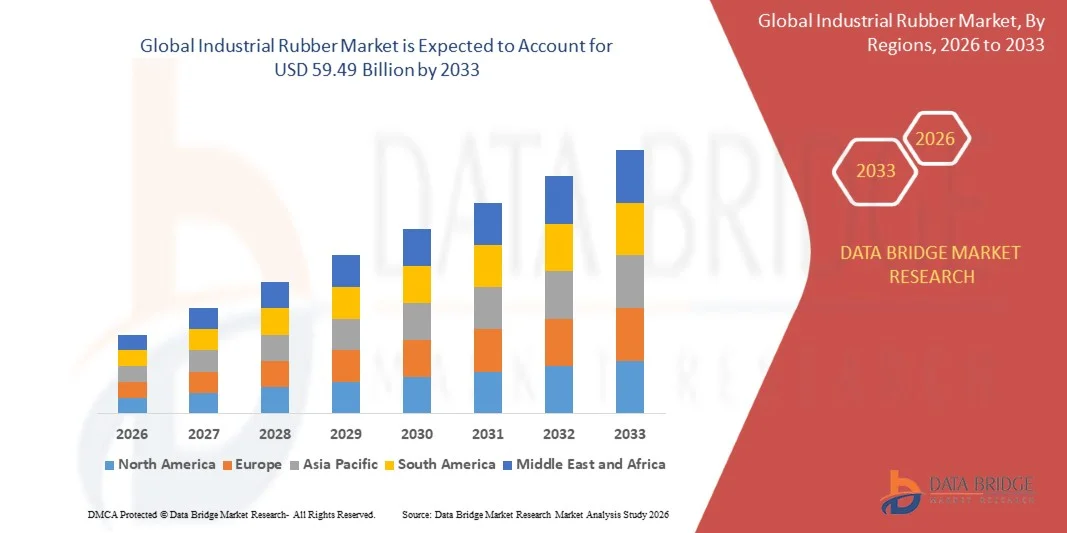
"Industrial Rubber Market Summary: According to the latest report published by Data Bridge Market Research, the Industrial Rubber Market The global industrial rubber market size was valued at USD 39.06 billion in 2025 and is expected to reach USD 59.49 billion by 2033, at a CAGR of 5.4% during the forecast period This Industrial Rubber Marketresearch...