


Psychiatric Evaluation, Medication Management & Psychopharmacology Guide
Mental health conditions such as anxiety, depression, bipolar disorder, and other psychiatric disorders can significantly affect a person’s daily life, relationships, and productivity. Proper diagnosis and treatment are essential for recovery and long-term stability. This is where Psychiatric Evaluation, Medication Management, and Psychopharmacology play an important role in modern healthcare.
These three components work together to assess mental health conditions, guide treatment decisions, and ensure the safe and effective use of psychiatric medications. They help create a structured and evidence-based approach to improving mental well-being.
Psychiatric Evaluation
What Is Psychiatric Evaluation?
Psychiatric Evaluation is a detailed assessment conducted by a qualified mental health professional to understand a person’s emotional, behavioral, and psychological state. It is usually the first step in diagnosing mental health conditions.
How It Works
During a psychiatric evaluation, the doctor may explore:
- Emotional symptoms and concerns
- Mental health history
- Family psychiatric history
- Sleep and appetite patterns
- Stress levels and daily functioning
- Behavioral changes
Sometimes psychological tests are also used for better understanding.
Importance of Psychiatric Evaluation
Accurate Diagnosis
Helps identify the correct mental health condition.
Personalized Treatment Plan
Supports creation of tailored treatment strategies.
Early Detection
Helps identify problems before they become severe.
Better Understanding
Clarifies symptoms and their underlying causes.
Medication Management
What Is Medication Management?
Medication Management is the ongoing process of prescribing, monitoring, and adjusting psychiatric medications to ensure they are safe, effective, and suitable for the patient.
How It Works
Healthcare professionals regularly review:
- Medication type and dosage
- Treatment response
- Side effects
- Progress over time
- Required adjustments
The goal is to achieve the best results with minimal side effects.
Importance of Medication Management
Safe Treatment Use
Reduces risks of incorrect dosage or misuse.
Better Results
Improves patient response to medications.
Side Effect Monitoring
Helps manage unwanted reactions.
Long-Term Stability
Supports continuous mental health improvement.
Psychopharmacology
What Is Psychopharmacology?
Psychopharmacology is the scientific study of how medications affect the brain, emotions, and behavior. It focuses on using drugs to treat mental health conditions like depression, anxiety, and schizophrenia.
How It Works
This field helps professionals:
- Understand brain chemistry
- Choose appropriate medications
- Study drug interactions
- Adjust treatments based on response
Important brain chemicals include serotonin, dopamine, and norepinephrine.
Importance of Psychopharmacology
Guides Medication Selection
Helps choose the right drug for each condition.
Improves Treatment Outcomes
Supports effective symptom control.
Evidence-Based Care
Reduces guesswork in treatment.
Advances Mental Health Science
Improves understanding of brain and behavior.
How These Three Work Together
These three elements are closely connected and form a complete mental health care system.
Step 1: Psychiatric Evaluation
The patient is assessed and diagnosed.
Step 2: Psychopharmacology
Medication options are selected based on scientific research.
Step 3: Medication Management
Treatment is monitored and adjusted for best results.
Together, they ensure safe, effective, and structured mental health care.
Benefits of Integrated Mental Health Care
Better Diagnosis
Ensures accurate identification of conditions.
Personalized Treatment
Care is tailored to individual needs.
Improved Symptom Control
Helps reduce anxiety, depression, and other symptoms.
Long-Term Stability
Supports ongoing emotional and psychological health.
Who Needs These Services?
Individuals With Mental Health Conditions
Such as anxiety, depression, or mood disorders.
Patients on Psychiatric Medication
Those requiring ongoing medication support.
People Experiencing Stress or Emotional Issues
Individuals facing trauma or life challenges.
Anyone Seeking Professional Help
People who need mental health evaluation and treatment.
Frequently Asked Questions
What is a psychiatric evaluation?
It is a medical assessment used to diagnose mental health conditions.
Is medication management necessary for everyone?
No, it is mainly required for patients taking psychiatric medication.
What is psychopharmacology?
It is the study of how drugs affect the brain and behavior.
Are psychiatric medications safe?
Yes, when prescribed and monitored by professionals.
How long does treatment last?
It depends on the individual and their condition.
Conclusion
Psychiatric Evaluation, Medication Management, and Psychopharmacology are essential components of modern mental health care. Psychiatric evaluation helps diagnose conditions, psychopharmacology guides medication selection, and medication management ensures safe and effective treatment. Together, they create a structured system that supports emotional stability, recovery, and long-term mental wellness.
Categorieën
Read More
"Algae Snacks Market Summary: According to the latest report published by Data Bridge Market Research, the Algae Snacks Market The global algae snacks market size was valued at USD 105.24 million in 2024 and is expected to reach USD 228.89 million by 2032, at a CAGR of 10.20% during the forecast period A talented team works strictly with their potential...

Patta is one of the most influential streetwear brands in the global fashion industry. Founded in Amsterdam, Patta started as a small sneaker boutique and has since grown into a worldwide phenomenon recognized for its bold designs, cultural authenticity, and limited-edition releases. Known for merging urban fashion with music and art, Patta has become synonymous with modern streetwear,...

" According to the latest report published by Data Bridge Market Research, the Glioblastoma Multiforme Treatment Market CAGR Value Global glioblastoma multiforme treatment market size was valued at USD 3.09 billion in 2024 and is projected to reach USD 6.44 billion by 2032, with a CAGR of 8.90% during the forecast period of 2025 to 2032. The large scale Glioblastoma Multiforme...

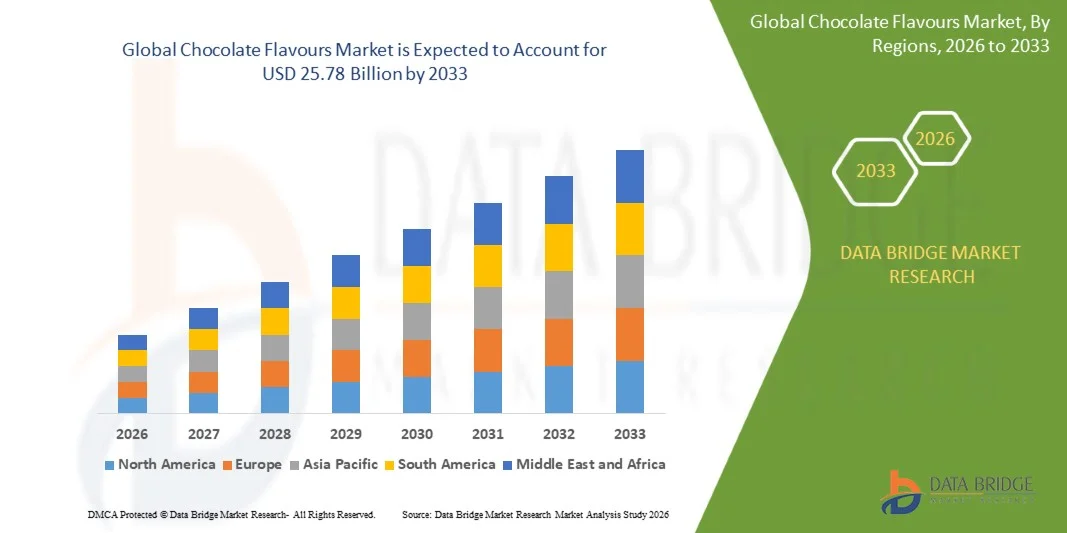
Chocolate Flavours Market According to the latest report published by Data Bridge Market Research, the Chocolate Flavours Market The global chocolate flavours market was valued at USD 16.74 billion in 2025 and is projected to reach USD 25.78 billion by 2033, growing at a CAGR of 5.55% from 2026 to 2033. Getting thoughtful about competitive landscape is another...
In the world of garment and textile manufacturing, the quality of a finished edge can define the entire product. The Blind Stitch Machine Market has emerged as a vital segment of the industrial sewing equipment industry, providing essential technology for creating invisible hems and seams in a wide range of materials. These specialized machines are indispensable for producing...
