


Why Plant-Based Dairy Is Gaining Momentum in China

China’s food and beverage landscape is evolving as consumers increasingly seek products that align with health, nutrition, and lifestyle preferences. Among these shifts, plant-based dairy has emerged as a notable category, driven by changing dietary habits, rising awareness of lactose intolerance, and growing interest in alternative nutrition sources.
According to a study published by MarkNtel Advisors, the China Plant-Based Dairy Market was valued at USD 4.72 billion in 2025 and is projected to reach USD 7.56 billion by 2032, growing at a CAGR of 6.96% during 2026–2032.
Rising Health Awareness Influencing Consumer Choices
One of the primary factors supporting the adoption of plant-based dairy products in China is the increasing focus on personal health and wellness. Consumers are becoming more attentive to the nutritional composition of their daily diets and are exploring alternatives that can complement healthier lifestyles.
Plant-based dairy products, including soy, oat, almond, and coconut-based beverages, are often selected as alternatives to traditional dairy due to their ability to provide essential nutrients while catering to different dietary preferences. The growing emphasis on preventive health has encouraged consumers to diversify their food choices and experiment with plant-derived products.
Supporting this trend, the World Health Organization (WHO) highlights the importance of balanced diets rich in plant-based foods as part of broader strategies for improving population health. World Health Organization (WHO) Healthy Diet Guidance
Lactose Intolerance Driving Demand for Alternatives
Lactose intolerance remains an important factor shaping dairy consumption patterns across many Asian countries. Consumers who experience difficulty digesting lactose often seek alternatives that provide similar functionality without digestive discomfort.
Plant-based milk products have become a practical option for this consumer group. Soy milk, oat milk, almond milk, and coconut milk offer dairy-free alternatives that can be consumed directly or incorporated into everyday meals and beverages.
The increasing awareness of lactose intolerance and the availability of convenient alternatives have contributed significantly to the expansion of the plant-based dairy category in China.
Plant-Based Milk Continues to Dominate
Among various product categories, plant-based milk remains the leading segment in China’s plant-based dairy sector. According to MarkNtel Advisors, plant-based milk accounted for approximately 95% of the market share in 2026.
Several factors contribute to this dominance:
- Familiarity among consumers
- Ease of incorporation into daily diets
- Availability across retail channels
- Wide range of flavor options
- Growing number of fortified products
The versatility of plant-based milk makes it suitable for beverages, cooking, baking, and foodservice applications, supporting its widespread adoption across different consumer groups.
Product Innovation Expanding Consumer Interest
China’s plant-based dairy market is witnessing substantial innovation as manufacturers introduce new ingredients, flavors, and formulations.
Beyond traditional soy and coconut-based products, companies are exploring alternatives derived from quinoa, pistachio, chickpeas, rice, and sweet potatoes. These developments aim to address evolving consumer preferences for variety, taste, and nutritional value.
Innovation is also extending to:
- Fortified beverages containing vitamins and minerals
- Functional formulations with added fiber
- Blended plant-based drinks
- New flavor combinations designed for younger consumers
This diversification is helping manufacturers appeal to broader demographic groups while differentiating products in an increasingly competitive environment.
Foodservice Partnerships Creating New Opportunities
The expansion of plant-based dairy is no longer limited to retail shelves. Foodservice establishments, cafés, and restaurant chains are increasingly incorporating plant-based dairy options into their menus.
Collaborations between beverage brands and café operators have improved product visibility and consumer exposure. Oat milk-based coffee beverages and dairy-free menu offerings have become more common in urban centers, helping consumers become familiar with plant-based alternatives through everyday dining experiences.
The Food and Agriculture Organization (FAO) has also noted the growing global interest in diversified food systems that include plant-based food options to support evolving consumer demands and sustainability objectives. Food and Agriculture Organization (FAO)
Offline Retail Channels Remain Important
Despite the growth of e-commerce, physical retail stores continue to play a central role in product distribution. The offline channel accounted for around 85% of the China Plant-Based Dairy Market in 2026.
Consumers often prefer purchasing food and beverage products in-store because they can:
- Examine packaging and ingredients
- Compare products directly
- Evaluate freshness
- Access promotional offers
Supermarkets, convenience stores, and grocery chains remain important touchpoints for both established brands and new market entrants.
Challenges Related to Production Costs
Although demand is increasing, production costs remain a challenge for the sector. Plant-based dairy products often require specialized processing techniques, ingredient sourcing, and nutritional fortification.
Ingredients such as oats, nuts, and specialty plant proteins can increase manufacturing expenses, affecting final retail prices. Higher prices may limit adoption among cost-sensitive consumers and create competitive pressure when compared with conventional dairy products.
As the market develops, improvements in supply chain efficiency, production technologies, and local sourcing capabilities may help address some of these cost-related challenges.
Outlook for the China Plant-Based Dairy Sector
The future of China’s plant-based dairy sector is being shaped by a combination of health awareness, changing dietary habits, product innovation, and expanding consumer accessibility. As manufacturers continue introducing new formulations and retailers broaden product availability, plant-based dairy is becoming increasingly integrated into mainstream consumption patterns.
According to the study by MarkNtel Advisors, the market is projected to grow from USD 5.05 billion in 2026 to USD 7.56 billion by 2032, reflecting the sustained consumer interest in dairy alternatives and evolving food preferences across the country.
الأقسام
إقرأ المزيد
Los jardines verticales se han convertido en una de las soluciones arquitectónicas y decorativas más innovadoras de los últimos años. Su capacidad para integrar naturaleza en espacios urbanos ha transformado la manera en que se diseñan viviendas, oficinas, hoteles y establecimientos comerciales. Actualmente, los proyectos jardines verticales no solo responden...

Polaris Market Research has published a brand-new report titled Electrolytic Manganese Dioxide Market Share, Size, Trends, Industry Analysis Report, By Application (Batteries, Water Treatment, Others); By Region; And Segment Forecasts, 2023 - 2032 that includes extensive information and analysis of the industry dynamics. The opportunities and challenges in the report's dynamical...

"Skull Clamp Market Summary: According to the latest report published by Data Bridge Market Research, the Skull Clamp Market The global skull clamp market was valued at USD 180.88 million in 2024 and is expected to reach USD 329 billion by 2032. During the forecast period of 2025 to 2032 the market is likely to grow at a CAGR of 7.30% primarily driven by...

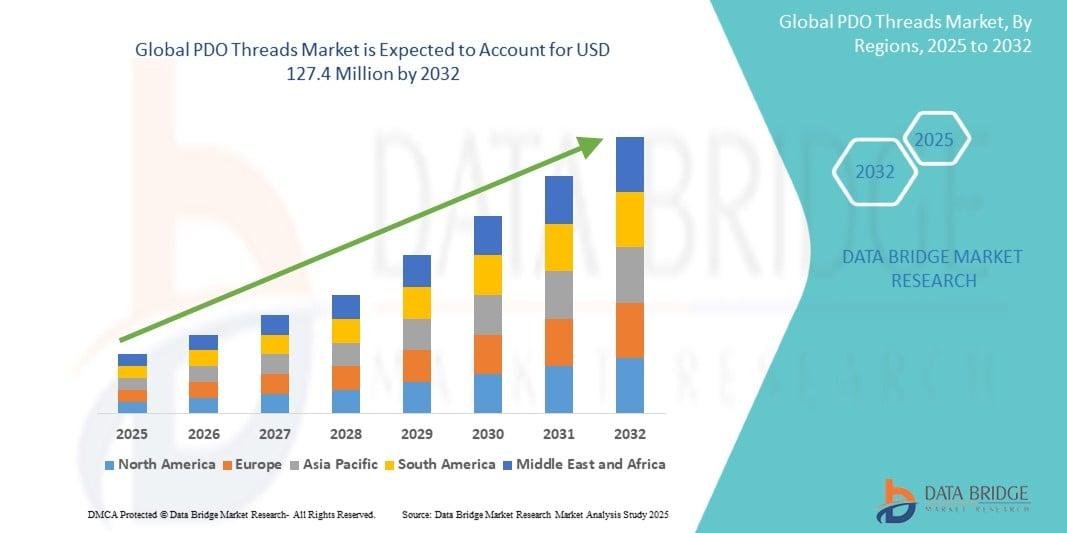
"PDO Threads Market Summary: According to the latest report published by Data Bridge Market Research, the PDO Threads Market The global PDO threads market size was valued at USD 63.31 million in 2024 and is projected to reach USD 127.4 million by 2032, with a CAGR of 13.00% during the forecast period of 2025 to 2032. PDO Threads Market report is a great option to achieve current...
"Executive Summary Europe Gift Card Market Size and Share Forecast Data Bridge Market Research analyzes that the Europe gift card market is expected to reach USD 896,605.19 million by 2030 from USD 256,857.19 million in 2022, growing with a steady CAGR of 17.2% in the forecast period of 2023 to 2030. The comprehensive market information and data of the Europe Gift Card report will...