How Consumer Trends Influence New Food Innovation

The grocery store looks different than it did ten years ago. Aisles full of things that didn't exist. Plant based burgers. Hard kombucha. Prebiotic sodas. Chickpea pasta. Oat milk ice cream. Where did all this stuff come from? It didn't fall from the sky. Consumers changed what they wanted. Companies paid attention. Then they scrambled to make something new. That's how innovation works in food. It's not scientists in labs dreaming up random products. It's following where people are already going. Sometimes a trend starts small. A few health nuts in California. A handful of bloggers. A Tik Tok video that blows up. Then suddenly everyone wants it. The companies that move fast win. The ones that wait miss the wave entirely.

The Protein Obsession That Never Ended
Protein used to be for bodybuilders. Now it's for everyone. Yogurt with extra protein. Pancakes with protein. Cereal with protein. Water with protein somehow. The trend started years ago and never stopped. Consumers decided that protein equals health. Right or wrong, that's the belief. Food products development teams spend enormous time figuring out how to cram more protein into things without ruining the taste. That's harder than it sounds. Plant proteins taste beany. Collagen changes texture. Whey can get grainy. The companies that solve these texture and flavor problems win big. The ones that don't end up with products that people try once and never buy again. Drink formulation companies face similar challenges. A high protein drink that tastes like dirt won't get repeat purchases no matter how good the macros look.
Gut Health Went Mainstream
Probiotics used to be a niche thing. Yogurt eaters. Health store shoppers. Now gut health is everywhere. Kombucha. Kefir. Fermented vegetables. Prebiotic sodas. The average person can name more gut health terms than they could five years ago. Microbiome. Fermentation. Short chain fatty acids. This shift created huge opportunities. But also huge challenges. Live probiotics are fragile. They die in heat. They die on shelves. They die in stomach acid. Getting them to survive through production, distribution, and digestion is not simple. A lot of products claim probiotic benefits without proving the bacteria are alive at the point of consumption. The smart companies invest in testing. They use strains with documented survival data. They don't make claims they can't back up. That's where food products development gets real.
Sugar Is the New Smoking
Nobody trusts sugar anymore. The war on sugar makes the war on fat look mild. Consumers read labels obsessively. They avoid high fructose corn syrup. They fear added sugar in places it doesn't belong. Like bread. Like pasta sauce. Like salad dressing. The reaction from food companies has been massive reformulation. Take sugar out. Put something else in. But replacing sugar is hard. Sugar does more than sweeten. It adds bulk. It affects browning. It impacts shelf life. It feeds yeast in baked goods. Remove it and everything changes. Artificial sweeteners have their own problems. Aftertastes. Digestive issues. Consumer distrust. Natural sweeteners like stevia and monk fruit work in some applications but not others. Drink formulation companies spend huge time on this problem. A reduced sugar beverage that still tastes good is the holy grail. Plenty have tried. Few have succeeded.
Plant Based Went Through the Hype Cycle
Plant based meat and dairy exploded. Then cooled off. The initial wave was driven by curiosity. People tried the Impossible Burger. They bought oat milk. They sampled vegan cheese. Some stuck with it. Many went back to animal products. The reason wasn't complicated. Taste and texture didn't match the real thing. And price was higher. The plant based industry learned a hard lesson. Curiosity gets trial. Quality gets retention. The surviving brands are the ones that invested in food products development to make their products genuinely good. Not just good for plant based. Actually good. Burgers that sizzle and bleed and satisfy. Milks that foam for coffee and don't separate. Cheese that melts and stretches. That level of quality takes years of R and D. It takes partnerships with drink formulation companies who understand emulsions and stabilizers and proteins.

Functional Ingredients Are Everywhere
People want their food to do something. Not just taste good. Provide energy. Improve focus. Reduce stress. Support immunity. Aid sleep. The supplement industry figured this out years ago. Now food and drinks are catching up. Adaptogens like ashwagandha and reishi. Nootropics like lion's mane and l theanine. Electrolytes for hydration. Collagen for skin and joints. The challenge is dosing. Put enough active ingredient in to have an effect but not so much that taste gets ruined. Many functional ingredients are bitter or earthy. Masking those flavors takes skill. A drink formulation company might spend months developing a beverage that has meaningful levels of functional ingredients without tasting like medicine. Then they have to ensure stability. Does the ingredient degrade over time. Does it react with other components. Does heat processing destroy its activity.
Sustainability Claims Under Scrutiny
Every food brand talks about sustainability. Few actually do the work. Consumers are getting smarter. They know that a compostable wrapper on a plastic lined cup is greenwashing. They know that regenerative agriculture claims need proof. The brands that lead on sustainability don't just market it. They build it into their food products development from day one. Sourcing ingredients from farms with verified practices. Designing packaging that actually gets recycled. Reducing water and energy use in manufacturing. Measuring carbon footprint. Publishing the data. This stuff costs money upfront. But it builds trust. And trust drives loyalty. The brands that fake it eventually get caught. Social media exposes greenwashing fast. Then the backlash destroys years of work.
Texture Became a Battleground
Flavor used to be everything. Now texture matters just as much. Consumers crave specific mouthfeels. Creamy without being heavy. Crunchy without being hard. Smooth without being slimy. Carbonated without being harsh. Getting texture right is harder than getting flavor right. A flavor can be adjusted with a drop of something. Texture requires the whole formulation to work together. Emulsions need the right ratio of water to oil. Suspensions need the right viscosity to keep particles from settling. Gels need the right setting temperature. Drink formulation companies specialize in this. They understand hydrocolloids. Gums. Starches. Emulsifiers. They know which combination creates the perfect mouthfeel for a protein shake or a plant based milk or a carbonated functional beverage. Texture isn't sexy. But it's often what separates a product people love from one people leave on the shelf.
Speed to Market Matters More Than Ever
The old way took years. Concept. Research. Development. Testing. Scaling. Launch. By the time a product hit shelves, the trend might be over. The new way is faster. Much faster. Smaller batches. Agile development. Rapid prototyping. Consumer feedback loops measured in weeks not years. This speed creates pressure. Food products development teams need partners who can move fast. Ingredient suppliers with quick turnaround. Co packers with flexible schedules. Testing labs with rush services. Drink formulation companies that can iterate a dozen versions in a month instead of one version in a year. The companies that succeed in this environment are the ones that build relationships with partners who share their urgency. They don't wait. They test. They learn. They adjust. They launch. Then they do it again.
The Role of External Expertise
Most food brands don't have internal R and D. Too expensive. Too specialized. They rely on outside experts. A drink formulation company might develop the entire product. Source ingredients. Create prototypes. Test stability. Scale to production. The brand provides the idea and the marketing. The formulation partner provides the science. This model works well for smaller brands that couldn't otherwise afford to compete. It also works for larger brands that need specific expertise for a product category outside their core competency. A meat company launching a plant based line needs help. A dairy company making oat milk needs help. A snack company making a functional beverage needs help. The external experts have already made the mistakes. They've already learned the lessons. They shortcut the learning curve dramatically.
Conclusion
Food innovation doesn't happen in a vacuum. It follows consumers. What they want. What they fear. What they hope for. The protein obsession. The gut health wave. The war on sugar. The plant based experiment. Functional everything. Sustainability demands. Texture battles. Speed pressures. Each trend creates opportunities. Each opportunity requires serious food products development to turn an idea into something real. Drink formulation companies play a crucial role in this ecosystem. They understand the science. They have the labs. They've done the testing. They help brands avoid the obvious pitfalls and navigate the hidden ones. The brands that win are the ones that watch trends closely, move quickly, and partner with experts who can execute. The rest launch products that fail. Then they wonder why. The answer is usually simple. They didn't follow the consumer. They followed their own assumptions. That's a dangerous game in food. The consumer always wins in the end.
Categorieën
Read More
Upgrade your workspace with a premium Height Adjustable Desk designed to improve comfort, flexibility, and productivity. Our collection of ergonomic sit-stand desks in Australia is built for both home and office environments, combining durability with modern design. With fast nationwide delivery, creating a healthier workspace has never been easier. Whether you are furnishing a corporate office...

In modern manufacturing, the need for high-performance, safe, and environmentally responsible materials has never been greater. Among the advanced chemical compounds gaining widespread recognition is aluminum hypophosphite—a highly effective, halogen-free flame retardant. Neemcco, a trusted name in the chemical industry, delivers premium-grade aluminum hypophosphite that supports a wide...
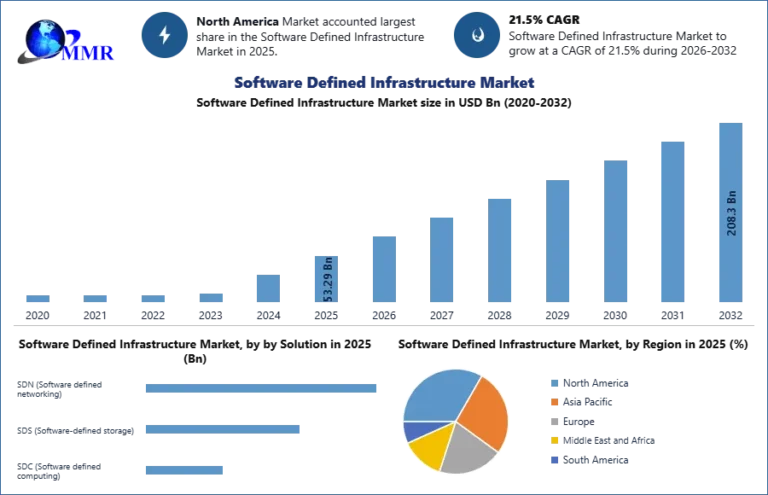
Market OverviewThe Global Software Defined Infrastructure (SDI) Market is witnessing continuous growth as enterprises adopt intelligent, software-driven IT environments. SDI allows organizations to virtualize and centrally manage compute, storage, and networking resources, improving flexibility and operational efficiency. The market is expected to grow at a robust CAGR during the...
The world of work continues to evolve rapidly, and with it, the demand for smart, flexible office rental solutions is surging. As businesses adapt to hybrid models, cost pressures, and employee expectations for modern workspaces, office rental platforms are becoming indispensable tools for companies of all sizes. Whether you're a startup seeking agile space or an enterprise optimizing its...

A new comedic series is launching on Netflix, focusing on the humorous side of military innovation. The show revolves around the team responsible for establishing a new sixth branch of the armed forces—space force. Leading the project is Steve Carell, who not only stars in the series but also helped create it and will serve as an executive producer. Joining him is Greg Daniels, renowned...